
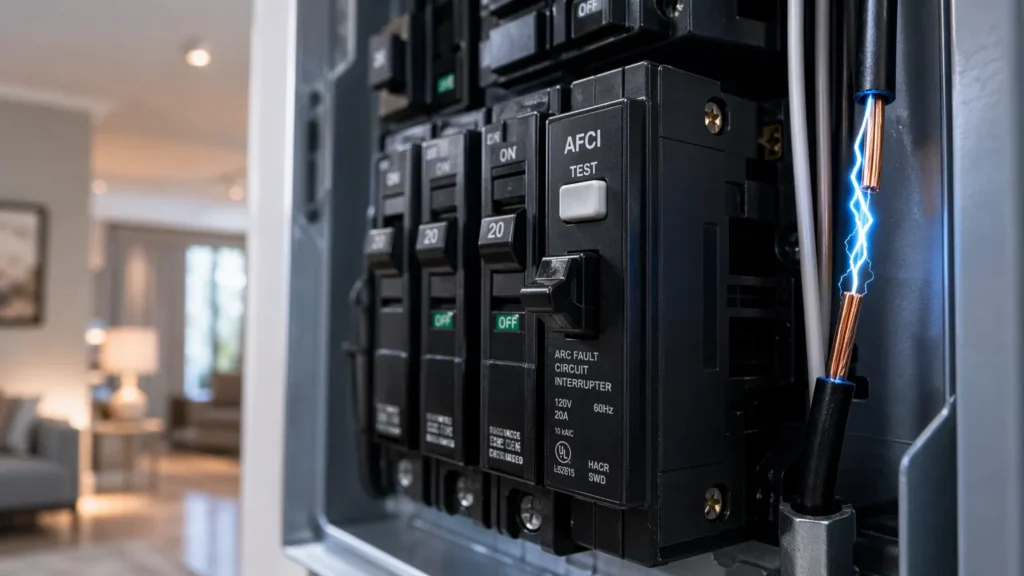
The Silent Guardian of Your Home’s Electrical Safety
Imagine this: you’re enjoying a quiet evening at home, perhaps watching your favorite show or preparing dinner, when suddenly, a section of your house goes dark. No, it’s not a power outage across the neighborhood; it’s your Arc Fault Circuit Interrupter (AFCI) breaker doing its job. While a tripping breaker can be frustrating, especially when it happens repeatedly, it’s crucial to understand that this device is a silent guardian, diligently protecting your home and family from potentially catastrophic electrical fires. But what exactly is an AFCI breaker, and why does it keep tripping? This comprehensive guide will delve deep into the world of AFCI technology, explore the most common reasons behind its tripping, and, most importantly, equip you with the knowledge to troubleshoot safely and know precisely when it’s time to call a licensed electrician.Why Is My Arc Fault Circuit Breaker Tripping
Unlike traditional circuit breakers that primarily protect against overloads and short circuits, AFCI breakers are designed to detect a more insidious threat: arc faults. These are dangerous electrical discharges that can occur in damaged wiring, loose connections, or faulty appliances. Arc faults generate intense heat, often exceeding 10,000 degrees Fahrenheit, and are a leading cause of residential electrical fires in the United States. Your AFCI breaker is engineered to identify these subtle, yet deadly, electrical anomalies and shut off power before a fire can ignite. So, while its frequent tripping might seem like an annoyance, it’s actually a sign that your electrical system might be trying to tell you something important about its health and safety.
In this extensive article, we’ll cover everything from the fundamental principles of AFCI operation to advanced troubleshooting techniques. We’ll discuss common culprits like damaged wiring, incompatible appliances, and even environmental factors. Our goal is to empower you with the information needed to understand your home’s electrical system better, perform basic diagnostic steps, and, crucially, recognize the warning signs that necessitate immediate professional intervention. Remember, when it comes to electricity, safety is paramount. Never hesitate to contact a qualified expert if you’re unsure or uncomfortable with any electrical task. Your peace of mind, and the safety of your home, are worth it.
Why Is My Arc Fault Circuit Breaker Tripping
Before we dive into troubleshooting, let’s clarify what an AFCI breaker is and why it’s become a standard requirement in modern electrical codes. Think of your home’s electrical system as a network of highways. Traditional circuit breakers are like traffic cops that stop traffic (electricity) when there’s too much of it (overload) or when two cars crash head-on (short circuit). An AFCI breaker, however, is a more sophisticated detective. It’s constantly listening for the subtle, erratic
electrical signatures of an arc fault – a phenomenon that can occur even when the current levels are well within safe limits for a standard breaker.
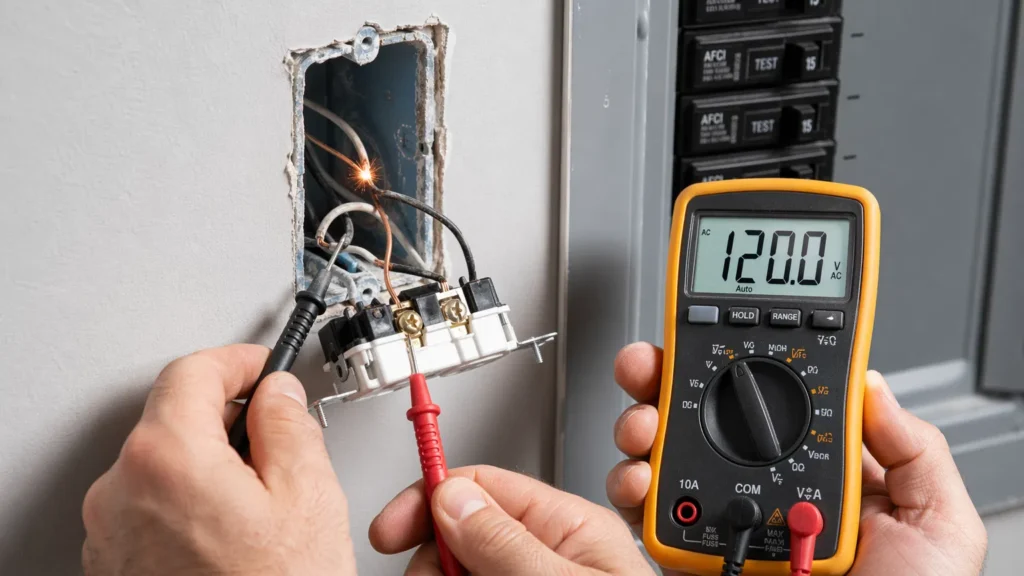
The Danger of Arc Faults
Arc faults are incredibly dangerous because they often go undetected by conventional circuit protection. They can be caused by a variety of factors, including:
•Damaged Wire Insulation: A nail piercing a wire, a rodent chewing through insulation, or even old, brittle wiring can expose the conductor, leading to arcing.
•Loose Connections: Over time, screws in electrical outlets, switches, or junction boxes can loosen, creating small gaps where electricity can jump, causing an arc.
•Pinched or Kinked Wires: Furniture pressing against a cord or improper installation can damage the internal conductors, leading to intermittent arcing.
•Faulty Appliances or Cords: An old lamp cord with frayed insulation or an appliance with internal wiring issues can generate arc faults.
These seemingly minor issues can create a continuous spark, generating enough heat to ignite nearby insulation, wood, or other flammable materials, leading to a house fire. The National Fire Protection Association (NFPA) reports that electrical failures or malfunctions were a factor in an estimated 46,700 home structure fires in 2019, resulting in 390 civilian deaths and $1.5 billion in direct property damage. AFCI breakers are a critical line of defense against these statistics.
Where Are AFCI Breakers Required?
Due to their life-saving potential, the National Electrical Code (NEC) has progressively expanded the requirements for AFCI protection. Initially, they were mandated for bedroom circuits. Today, most new residential construction and major renovations require AFCI protection for nearly all 15- and 20-amp branch circuits supplying outlets or devices in living rooms, dining rooms, family rooms, parlors, libraries, dens, bedrooms, sunrooms, recreation rooms, closets, hallways, and laundry areas. This widespread requirement underscores the industry’s recognition of the severe risk posed by arc faults.
If your home was built or renovated recently, you likely have AFCI breakers installed. If it’s an older home, you might consider upgrading, especially in high-risk areas. This small investment can provide a significant boost to your home’s electrical safety.
Top 10 Reasons for AFCI Breaker Tripping: Decoding the Warning Signs
When your AFCI breaker trips, it’s not just an inconvenience; it’s a diagnostic message. Understanding the potential causes is the first step toward resolving the issue safely. Here are the most common reasons why your AFCI breaker might be tripping, ranging from simple fixes to serious safety concerns:
1. Damaged Wiring and Hidden Arc Faults (The Most Serious Culprit)
This is the primary reason AFCI breakers were invented, and it’s often the most dangerous. Arc faults can occur in your home’s permanent wiring, inside walls, ceilings, or even underground. Causes include:
•Nails or Screws: Accidentally piercing a wire during a DIY project or renovation.
•Rodent Damage: Mice, rats, or other pests chewing through wire insulation.
•Aging or Deteriorated Wiring: Old wiring can become brittle, cracked, or corroded, leading to intermittent arcing.
•Over-Stretching or Pinched Wires: Wires that are pulled too tight or squeezed by furniture can suffer internal damage.
Warning Signs: If your AFCI trips randomly, especially when no appliance is running, or if you notice flickering lights, buzzing sounds from outlets, or a burning smell, these are red flags. Do NOT ignore these signs.
What to Do: Immediately unplug all devices from the affected circuit. If the breaker still trips, the issue is likely within the permanent wiring. This is a job for a professional. Attempting to diagnose or repair damaged wiring yourself can be extremely dangerous.
Need immediate help with suspected damaged wiring? Don’t risk it. Call a licensed emergency electrician now for expert diagnosis and repair. Your safety is our priority.
2. Loose Electrical Connections (A Common and Fixable Issue)
Over time, due to vibrations, temperature changes, or improper initial installation, electrical connections can loosen. This can happen at:
•Outlets and Switches: The wires connected to the terminals can become loose.
•Light Fixtures: Connections in the ceiling box or within the fixture itself.
•Junction Boxes: Any splice or connection point in your wiring.
•Within the Electrical Panel: Even the connections to the breaker itself can loosen.
Warning Signs: Intermittent power, flickering lights, warm outlets or switch plates, or a faint buzzing sound can indicate loose connections. An AFCI breaker will detect the small arcs created by these loose connections and trip.
What to Do: If you’re comfortable and knowledgeable about basic electrical safety, you can carefully check accessible outlets and switches on the affected circuit. ALWAYS turn off the power to the circuit at the main breaker panel before touching any electrical components. Tighten any loose screws on terminals. If you’re unsure, or if the problem persists, it’s best to call a professional. Loose connections can generate heat and pose a fire risk if not properly addressed.
3. Incompatible Appliances and “Nuisance Tripping” (The Annoying but Less Dangerous Cause)
Sometimes, the problem isn’t with your home’s wiring but with the appliances you’re plugging in. Certain older appliances, or those with motors (like vacuum cleaners, blenders, or power tools), can sometimes create small, harmless electrical “noise” that an AFCI breaker might misinterpret as an arc fault. This is often referred to as “nuisance tripping.”
Warning Signs: The AFCI breaker trips consistently when a specific appliance is plugged in or turned on, even if the appliance seems to be working fine otherwise.
What to Do: Try plugging the suspected appliance into an outlet on a different circuit (preferably one without AFCI protection, if available, or a GFCI-protected outlet for testing). If the appliance causes the AFCI on the new circuit to trip, or if it works fine on a non-AFCI circuit, the appliance itself might be the culprit. Consider replacing the appliance or having it inspected by a qualified technician. If the appliance is essential and you suspect nuisance tripping, a licensed electrician might be able to assess if the breaker is overly sensitive or if there’s an underlying issue with the appliance that needs attention.
Experiencing frequent nuisance tripping? A professional electrician can help identify if it’s an appliance issue or a more serious wiring problem. Get expert troubleshooting today!
4. Overloaded Circuits (A Classic Breaker Problem)
While AFCI breakers are designed for arc faults, they still function as standard circuit breakers, meaning they will trip if the circuit is overloaded. An overload occurs when you draw more electrical current than the circuit is designed to handle.
Warning Signs: The breaker trips when you have too many high-power appliances (like space heaters, hair dryers, or microwaves) running simultaneously on the same circuit. This is often accompanied by dimming lights or a temporary loss of power to all devices on that circuit.
What to Do: Unplug some appliances from the circuit and reset the breaker. If it holds, you’ve likely identified an overload. Distribute your appliances more evenly across different circuits. If overloading is a persistent issue, you might need an electrician to assess your electrical load and potentially add new circuits or upgrade your electrical panel. This is especially common in older homes that weren’t designed for today’s electrical demands.
5. Short Circuits (Another Fundamental Breaker Function)
An AFCI breaker will also trip in the event of a short circuit, just like a regular breaker. A short circuit happens when a hot wire accidentally touches a neutral wire or a ground wire, creating a sudden surge of current. This is usually caused by damaged insulation, loose connections, or faulty appliance wiring.
Warning Signs: A sudden, loud pop or bang, sparks, a burning smell, or immediate power loss to the circuit. The breaker will trip instantly.
What to Do: A short circuit is a serious issue that requires immediate attention. DO NOT attempt to reset the breaker repeatedly. Unplug all devices from the circuit. If the breaker still trips, the short is likely within the permanent wiring. If it holds, plug in devices one by one to identify the faulty appliance. If you can’t find the cause or if the short is in the wiring, call a licensed electrician immediately. Short circuits can cause significant damage and fire hazards.
Suspect a short circuit? Don’t delay! Contact a qualified electrician for urgent and safe repair services.
6. Ground Faults (Where AFCI and GFCI Overlap)
While Ground Fault Circuit Interrupters (GFCIs) are specifically designed for ground faults, some AFCI/GFCI combination breakers can also detect them. A ground fault occurs when electricity escapes its intended path and finds an unintended path to the ground, often through a person or water. This is extremely dangerous and can cause severe electrical shock.
Warning Signs: The breaker trips when an appliance is used near water, or if you feel a tingling sensation when touching an appliance. This is more common in bathrooms, kitchens, and outdoor outlets.
What to Do: If you suspect a ground fault, immediately stop using the affected appliance and unplug it. Do not use the outlet. If the breaker is a combination AFCI/GFCI, it will trip. If it’s a standalone AFCI, it might not detect all ground faults. Always call a licensed electrician to investigate and repair ground faults. This is a life-threatening situation that requires professional expertise.
7. Faulty AFCI Breaker Itself (The Breaker is the Problem)
Occasionally, the AFCI breaker itself can be faulty and trip without a legitimate electrical issue. This can happen with older breakers or those that have been subjected to repeated tripping.
Warning Signs: The breaker trips frequently and randomly, even after you’ve ruled out all other potential causes (damaged wiring, loose connections, appliances, overloads, short circuits, ground faults). It might also feel warm to the touch or make unusual noises.
What to Do: If you suspect a faulty breaker, it’s essential to have it inspected and potentially replaced by a licensed electrician. A malfunctioning breaker can either fail to provide protection or cause unnecessary interruptions. Only a qualified electrician should replace a circuit breaker.
8. Environmental Factors (Humidity, Dust, and Pests)
Believe it or not, external factors can sometimes contribute to AFCI tripping:
•High Humidity: In very humid environments, moisture can sometimes create conductive paths, leading to false trips.
•Dust and Debris: Accumulation of dust or debris inside outlets, switches, or the electrical panel can sometimes bridge connections and cause arcing.
•Pests: Insects or small animals getting into electrical boxes can cause shorts or arcs.
What to Do: Ensure your electrical panel and outlets are clean and free of debris. If humidity is an issue, consider using dehumidifiers. If you suspect pests, call pest control and then have an electrician inspect for any damage. These are less common causes but worth considering.
9. Improper AFCI Installation (A Professional Oversight)
If your AFCI breakers were recently installed and are tripping frequently, it’s possible they were not installed correctly. Improper wiring during installation can create conditions that mimic arc faults, leading to nuisance tripping.
Warning Signs: New AFCI breakers trip immediately or very frequently after installation, even with minimal load.
What to Do: If you suspect improper installation, contact the electrician who performed the work to have them re-inspect their installation. If you’re not satisfied, or if you performed the installation yourself and are now facing issues, it’s crucial to call a different licensed electrician for a professional assessment. Correct installation is vital for both safety and proper function.
10. Inductive Loads and Motor Start-Up (Similar to Nuisance Tripping)
Similar to incompatible appliances, devices with large motors or inductive loads (like refrigerators, freezers, or air conditioners) can sometimes cause a momentary surge of current when they start up. While modern AFCI breakers are designed to differentiate between these normal surges and dangerous arcs, older or more sensitive AFCI units might occasionally trip.
Warning Signs: The breaker trips specifically when a large motor-driven appliance kicks on.
What to Do: If this is a consistent issue, try plugging the appliance into a different circuit. If the problem persists, an electrician can evaluate if the appliance is drawing excessive current or if the AFCI breaker needs to be replaced with a more modern, less sensitive model. This is generally a nuisance issue rather than a severe safety hazard, but it’s still worth investigating for convenience and peace of mind.
How to Troubleshoot Your AFCI Breaker Like a Pro (Safely!)
Before you pick up the phone, there are a few safe troubleshooting steps you can take to help pinpoint the problem. Remember, safety first! Always assume wires are live until you’ve confirmed otherwise.
Step 1: Identify the Affected Circuit
When the AFCI trips, it will move to the
center position between ON and OFF. This indicates it has tripped. Go to your electrical panel and locate the tripped breaker. Note which rooms or appliances are on that circuit. This information will be crucial for diagnosis.
Step 2: Unplug Everything on the Circuit
This is a critical step. Before attempting to reset the breaker, unplug every single appliance, lamp, and electronic device from every outlet on the affected circuit. This includes anything hardwired that can be easily disconnected, like a microwave or a garbage disposal if you know how to safely do so. The goal is to isolate the circuit from any potential load or fault source.
Step 3: Reset the Breaker
Once everything is unplugged, firmly push the tripped AFCI breaker all the way to the OFF position, and then firmly push it back to the ON position. If it immediately trips again, even with nothing plugged in, the problem is almost certainly within your home’s permanent wiring or the breaker itself. This is a strong indicator that you need professional help.
Step 4: Plug in Devices One by One
If the breaker holds after resetting with nothing plugged in, start plugging your devices back in, one at a time. After plugging in each device, wait a few minutes to see if the breaker trips. This methodical approach will help you identify if a specific appliance or device is causing the trip. If the breaker trips after plugging in a particular item, you’ve found your culprit. That appliance is either faulty or incompatible with the AFCI breaker.
Step 5: Check for Loose Connections (If Comfortable and Safe)
If no single appliance causes the trip, but the breaker still trips intermittently, and you’re comfortable and knowledgeable about basic electrical safety, you can check for loose connections at accessible outlets and switches. REMEMBER: ALWAYS turn off the power to the circuit at the main breaker panel before touching any electrical components. Use a screwdriver to gently tighten the screws on the terminals where wires are connected. If you find any loose connections, tightening them might resolve the issue. If you’re unsure or uncomfortable, do not attempt this step and call a professional.
Step 6: Inspect for Visible Damage
While the power is off, take a moment to visually inspect outlets, switches, and appliance cords on the affected circuit for any signs of damage: frayed wires, burn marks, discoloration, or a burning smell. These are clear indicators of a serious problem.
If you’ve followed these steps and the problem persists, or if you’re ever in doubt, it’s time to call in the experts. Electrical work is not a DIY project for the inexperienced.
The Danger Zone: When You MUST Call an Emergency Electrician Immediately
While some AFCI tripping issues can be resolved with simple troubleshooting, there are critical situations where attempting a DIY fix is not only ill-advised but downright dangerous. Recognizing these warning signs can protect your home from fire and your family from electrical shock. When you encounter any of the following, do not hesitate – call a licensed emergency electrician immediately.
1. Persistent Tripping with Nothing Plugged In
If your AFCI breaker trips immediately after you reset it, even when all devices are unplugged from the circuit, this is a major red flag. It strongly indicates a fault within your home’s permanent wiring system. This could be:
•Damaged Wires: A wire might be cut, pinched, or chewed inside your walls.
•Loose Connections: A critical connection in a junction box or within the panel itself could be arcing.
•Faulty Breaker: The AFCI breaker itself might be defective and needs replacement.
Why it’s dangerous: A fault in the permanent wiring is a direct fire hazard. These arcs can generate extreme heat in concealed spaces, igniting insulation or wooden structures before you even see smoke. Do not attempt to repeatedly reset the breaker or investigate further yourself. This requires specialized tools and expertise.
Your home’s safety is non-negotiable. If your AFCI keeps tripping with nothing plugged in, call our emergency electricians now for immediate and safe diagnosis.
2. Burning Smells, Discoloration, or Scorching
Any unusual odors, especially a burning smell resembling plastic or fish, emanating from an outlet, switch, or your electrical panel, is an urgent warning sign. Similarly, if you see discoloration, scorch marks, or melted plastic around any electrical component, it indicates overheating and a very active fire risk.
Why it’s dangerous: These are direct signs of active arcing or overheating, which means a fire could ignite at any moment. The smell of burning plastic is often the first indicator of melting wire insulation.
What to Do: Immediately turn off the main power to your home at the service panel if you can do so safely. Evacuate your family if the smell is strong or if you see smoke. Then, call emergency services (911 in the US) and a licensed electrician.
3. Sparks, Flashes, or Buzzing Sounds
Seeing sparks or flashes from an outlet, switch, or appliance, or hearing persistent buzzing, crackling, or popping sounds from your electrical panel or walls, are clear indicators of an active electrical fault.
Why it’s dangerous: Sparks and flashes are visible arcs, which are precisely what AFCI breakers are designed to prevent. Buzzing sounds can indicate loose connections or arcing within components. These can quickly escalate into a fire.
What to Do: If possible and safe, turn off the power to the affected circuit or the main power to your home. Do not touch the source of the sparks or buzzing. Call a licensed electrician immediately.
4. Hot Outlets, Switches, or Breaker Panel
It’s normal for some electrical components to be slightly warm, but if an outlet, switch plate, or a section of your electrical panel feels excessively hot to the touch, it’s a sign of serious overheating.
Why it’s dangerous: Excessive heat is a precursor to fire. It indicates that too much current is flowing through a component, or there’s a high-resistance connection causing heat buildup.
What to Do: Turn off the power to the affected circuit or the main power to your home. Do not use the hot component. Call a licensed electrician to investigate the cause of the overheating.
5. Water Exposure to Electrical Components
If any electrical outlet, switch, or appliance has come into contact with water, and the AFCI breaker trips (or even if it doesn’t), it’s an extremely hazardous situation.
Why it’s dangerous: Water is an excellent conductor of electricity and can create a direct path for current to flow through you, leading to severe electrical shock or electrocution.
What to Do: DO NOT touch the wet electrical component. If you can safely turn off the main power to your home without coming into contact with water, do so. Call a licensed electrician immediately. They have the expertise and equipment to safely assess and repair water-damaged electrical systems.
6. You’re Unsure or Uncomfortable
This is perhaps the most important rule. If at any point you feel unsure about diagnosing an electrical problem, uncomfortable performing a troubleshooting step, or simply don’t understand what’s happening, DO NOT proceed.
Why it’s dangerous: Electricity is unforgiving. A single mistake can lead to severe injury, electrocution, or a house fire. Your safety and the safety of your family are paramount.
What to Do: It’s always better to be safe than sorry. Call a licensed electrician. They are trained, insured, and equipped to handle all types of electrical issues safely and effectively. They can quickly diagnose the problem, explain it to you, and perform the necessary repairs to restore power and peace of mind.
Don’t take chances with your electrical system. If you’re facing any of these critical issues, our team of licensed and experienced electricians is ready to help 24/7. Call us now for immediate assistance!
AFCI vs. GFCI: Which One Is Protecting Your Home?
It’s common to confuse AFCI (Arc Fault Circuit Interrupter) and GFCI (Ground Fault Circuit Interrupter) breakers, as both are designed to enhance electrical safety. However, they protect against different types of electrical hazards. Understanding the distinction is crucial for comprehensive home safety.
Ground Fault Circuit Interrupter (GFCI)
•What it protects against: GFCIs protect against ground faults. A ground fault occurs when electricity takes an unintended path to the ground, often through a person. This happens when a hot wire accidentally touches a grounded surface or a person who is also grounded (e.g., standing in water).
•How it works: A GFCI constantly monitors the current flowing in the hot and neutral wires. If it detects even a tiny imbalance (as little as 5 milliamperes), it assumes current is leaking out of the circuit (a ground fault) and quickly trips, cutting off power. This rapid response can prevent severe electrical shock or electrocution.
•Where it’s required: GFCIs are typically required in areas where water is present or where there’s a higher risk of ground faults, such as bathrooms, kitchens, garages, basements, outdoor outlets, and near swimming pools.
Arc Fault Circuit Interrupter (AFCI)
•What it protects against: AFCIs protect against arc faults. As discussed, arc faults are dangerous electrical discharges that occur in damaged or loose wiring, which can generate intense heat and cause fires.
•How it works: An AFCI uses sophisticated electronics to analyze the electrical waveform for specific patterns that indicate an arcing condition. When it detects these erratic patterns, it trips, cutting off power before a fire can start.
•Where it’s required: AFCIs are generally required in living areas of a home, including bedrooms, living rooms, dining rooms, family rooms, and other similar areas where arc faults are a significant fire risk.
AFCI/GFCI Combination Breakers
To provide the highest level of protection, many modern homes utilize AFCI/GFCI combination breakers. These devices offer both arc fault and ground fault protection on a single circuit. They are often required in areas that need both types of protection, such as kitchens and laundry rooms, where both arc faults (from appliance cords) and ground faults (from water sources) are potential hazards.
Key Takeaway: While both AFCI and GFCI breakers are vital safety devices, they serve different purposes. An AFCI protects against fires caused by arcing, while a GFCI protects against severe electrical shock caused by ground faults. Ensuring your home has both types of protection in the appropriate locations is essential for comprehensive electrical safety.
Unsure if your home has adequate AFCI and GFCI protection? Our licensed electricians can perform a thorough electrical safety inspection and recommend necessary upgrades. Schedule your inspection today!
Cost Guide: What to Expect When Hiring an Electrician for Breaker Issues
When your AFCI breaker is tripping, one of the first questions that comes to mind is often, “How much will this cost to fix?” The price of electrical repairs can vary significantly depending on the nature of the problem, the complexity of the work, your geographic location, and the electrician’s rates. Here’s a general guide to help you understand what to expect.
Factors Influencing the Cost
1.Type of Problem:
•Simple Troubleshooting: If the issue is a simple overload or an easily identifiable faulty appliance, the cost might just be for a service call and basic diagnosis (e.g., 1-2 hours of labor).
•Loose Connections: Tightening loose connections is usually a straightforward fix, falling into the lower to mid-range cost.
•Faulty Breaker Replacement: Replacing an AFCI breaker itself is a common task. The cost will include the new breaker (which is more expensive than a standard breaker) and labor.
•Damaged Wiring: Repairing damaged wiring inside walls can be more complex, potentially requiring opening walls, tracing wires, and more extensive labor, leading to higher costs.
•Electrical Panel Issues: If the problem stems from the main electrical panel, or if an upgrade is needed, costs can be significantly higher.
2.Labor Rates:
•Electrician labor rates typically range from $75 to $150 per hour, but can be higher in metropolitan areas or for emergency calls. Many electricians charge a minimum service fee that covers the first hour or two of work.
3.Parts and Materials:
•A new AFCI breaker can cost anywhere from $30 to $70 or more, depending on the brand and amperage. Combination AFCI/GFCI breakers are usually at the higher end of this range.
•Other materials, such as new wiring, junction boxes, or outlets, will add to the total cost.
4.Emergency vs. Scheduled Service:
•Emergency calls (after-hours, weekends, holidays) will almost always incur higher rates, often with an additional surcharge or higher hourly rate.
5.Geographic Location:
•Costs for electrical services vary by state and even by city. Electricians in major cities like New York, Los Angeles, or San Francisco will typically charge more than those in smaller towns or rural areas.
Estimated Cost Ranges (for common AFCI-related issues)
| Service | Estimated Cost Range (USD) |
| Service Call / Diagnosis | $75 – $200 |
| Tightening Loose Connections | $150 – $350 |
| AFCI Breaker Replacement | $150 – $300 (includes breaker & labor) |
| Troubleshooting Nuisance Tripping | $150 – $400 |
| Repairing Minor Wiring Damage | $200 – $600+ (depends on accessibility) |
| Electrical Panel Repair/Upgrade | $500 – $4,000+ (highly variable) |
Note: These are general estimates. Always get a detailed quote from a licensed electrician before starting any work.
Concerned about the cost? Get a transparent, no-obligation quote from our local electricians today. We offer fair pricing and quality service for all your electrical needs.
Frequently Asked Questions (FAQ) about AFCI Breakers
Here are answers to some of the most common questions homeowners have about AFCI breakers and their tripping issues:
Q1: Can I just replace an AFCI breaker with a regular one to stop it from tripping?
A: No, this is extremely dangerous and illegal in most jurisdictions. AFCI breakers are required by electrical code in many areas for a reason – they save lives by preventing fires. Replacing an AFCI with a standard breaker removes a critical safety feature and could put your home and family at severe risk. Always replace an AFCI breaker with another AFCI breaker of the correct type and amperage.
Q2: How can I tell if my breaker is an AFCI or GFCI?
A: Look closely at the breaker switch in your electrical panel. AFCI breakers typically have a small yellow “TEST” button and will be labeled “AFCI” or “Arc Fault Circuit Interrupter.” GFCI breakers also have a “TEST” button, usually white or black, and will be labeled “GFCI” or “Ground Fault Circuit Interrupter.” Combination AFCI/GFCI breakers will have both labels.
Q3: Is it normal for AFCI breakers to trip frequently?
A: No, frequent tripping is not normal and indicates an underlying issue that needs to be addressed. While occasional nuisance tripping can occur with older appliances, persistent tripping suggests a fault in the wiring, a faulty appliance, or a problem with the breaker itself. It should not be ignored.
Q4: Can I reset a tripped AFCI breaker myself?
A: Yes, you can safely reset a tripped AFCI breaker. First, unplug all devices from the affected circuit. Then, firmly push the breaker to the full OFF position, and then back to the full ON position. If it immediately trips again, or if you suspect a serious issue (burning smell, sparks), do not reset it repeatedly and call a professional.
Q5: How often should I test my AFCI breakers?
A: It’s recommended to test your AFCI breakers monthly by pressing the “TEST” button. This will simulate an arc fault and should cause the breaker to trip. If it doesn’t trip, the breaker may be faulty and should be replaced by a licensed electrician. Remember to reset the breaker after testing.
Q6: What’s the difference between a series arc fault and a parallel arc fault?
A:
•Series Arc Fault: Occurs when there’s a break in a single conductor (hot or neutral) in series with the load. The current flows through the arc, but the total current might not be high enough to trip a standard breaker. Examples: loose connection in a switch, a damaged lamp cord.
•Parallel Arc Fault: Occurs when current jumps between two different conductors (e.g., hot to neutral, or hot to ground). This often involves higher current and is more likely to cause a fire. Examples: damaged insulation allowing hot and neutral wires to touch, a nail piercing both wires.
AFCI breakers are designed to detect both types of arc faults.
Q7: My AFCI breaker trips only when it rains or when it’s humid. Why?
A: This could indicate moisture ingress into your electrical system, possibly through outdoor outlets, junction boxes, or even within your walls if there’s a leak. Moisture can create conductive paths that the AFCI interprets as an arc fault. This is a serious issue that needs immediate investigation by a licensed electrician to prevent short circuits or ground faults.
Q8: Can I install an AFCI breaker myself?
A: While it might seem straightforward, installing or replacing an AFCI breaker should only be done by a licensed and qualified electrician. Improper installation can lead to serious safety hazards, code violations, and the breaker not functioning correctly. Electrical work requires specific knowledge and adherence to safety protocols.
Still have questions about your AFCI breaker? Our expert electricians are here to provide clear answers and reliable solutions. Contact us today!
Conclusion: Prioritizing Electrical Safety in Your Home
Your AFCI breaker is a sophisticated and essential safety device, constantly working to protect your home from the hidden dangers of electrical fires. While its tripping can be an inconvenience, it’s always a warning sign that demands your attention. Whether it’s a simple overload, an incompatible appliance, or a more serious issue like damaged wiring, understanding the cause is the first step toward a safe resolution.
Remember, when in doubt, always err on the side of caution and call a licensed electrician. Attempting to fix complex electrical problems without the proper training, tools, and experience can lead to severe injury, electrocution, or a devastating house fire. Professionals have the expertise to diagnose issues accurately, perform repairs safely, and ensure your home’s electrical system meets all current safety codes.
Don’t let a tripping AFCI breaker compromise your peace of mind or the safety of your loved ones. Take action, troubleshoot safely, and when the situation calls for it, reach out to the experts. Your home deserves the best electrical care.
Ready to get your AFCI breaker issues resolved safely and efficiently? Our team of top-rated, licensed electricians is just a call away. Get a free estimate or schedule service now!
Disclaimer: This article is for informational purposes only and should not be considered professional electrical advice. Always consult with a qualified and licensed electrician for any electrical work or concerns in your home. Working with electricity can be dangerous and should only be performed by trained professionals.
References
[1] National Fire Protection Association (NFPA). (2020). Home Electrical Fires. Retrieved from
[3] Angi. (n.d.). Electrical. Retrieved from
[4] Angi. (n.d.). Hire the Best Local Electricians Near Me with Reviews. Retrieved from
[5] FlexLeads. (n.d.). Electrician Keywords: 90 Keywords for Electrical Contractors. Retrieved from
[6] Netpeak. (n.d.). SEO for Electricians: Expert Advice for 2026 Strategy. Retrieved from