
Circuit breakers are the unsung heroes of our electrical systems, diligently safeguarding our homes and families from potential electrical hazards. They are designed to automatically interrupt the flow of electricity when an overload or short circuit is detected, How Long Do Circuit Breakers Last preventing damage to appliances, wiring, and, most importantly, mitigating the risk of electrical fires. While these vital components are built for durability, their lifespan is not indefinite, and various factors can significantly influence their longevity. For homeowners in Alabama, understanding the nuances of circuit breaker lifespan is particularly crucial due to the state’s unique environmental and climatic conditions.
This comprehensive guide will delve into the expected lifespan of circuit breakers, explore the specific challenges faced by electrical systems in Alabama, detail the tell-tale signs that indicate a breaker needs replacement, and provide essential maintenance tips to extend their operational life. We will also touch upon the importance of professional electrical services and how local regulations might impact your electrical system’s health.
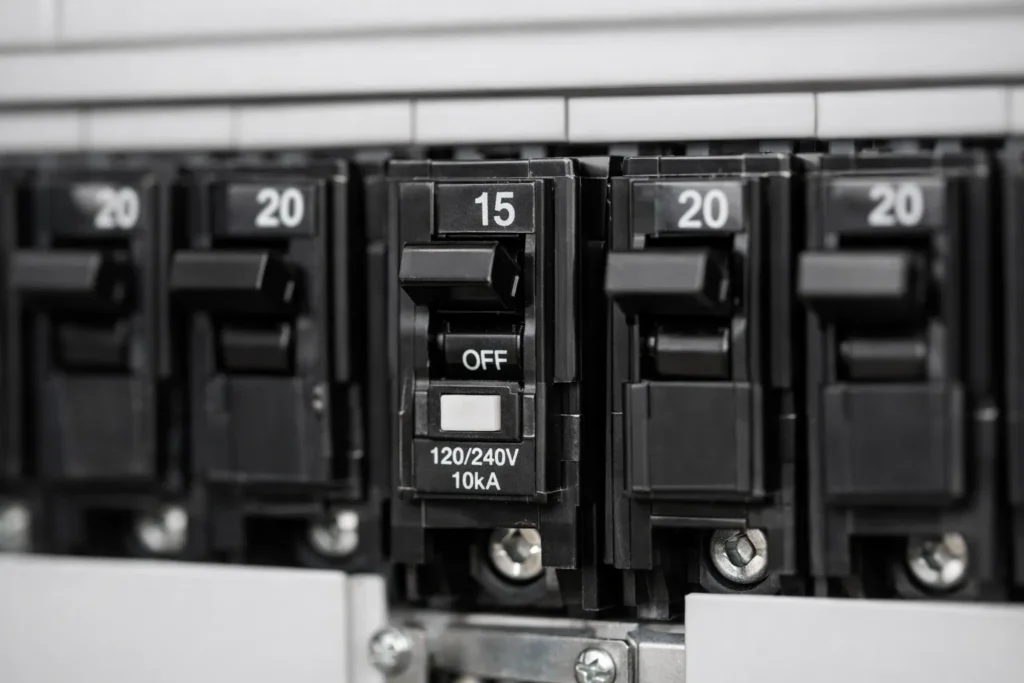
How Long Do Circuit Breakers Last? The Definitive Guide to Lifespan, Safety Signs, and Expert Replacement Tips
Under ideal conditions, a typical residential circuit breaker is engineered to last between 20 to 30 years . High-quality breakers, when properly maintained and not subjected to excessive stress, can even function reliably for several decades. However, this general guideline assumes
a stable environment and consistent electrical loads. The reality, especially in a state like Alabama, often deviates significantly from these ideal scenarios.
Factors Influencing Circuit Breaker Longevity
Several universal factors contribute to how long a circuit breaker will effectively perform its protective duties:
•Quality of Manufacturing: The initial quality of the circuit breaker plays a significant role. Reputable brands often use higher-grade materials and more robust designs, leading to a longer and more reliable service life.
•Installation Quality: Proper installation by a certified electrician ensures that the breaker is correctly seated, connections are secure, and it operates within its design parameters. Poor installation can lead to loose connections, overheating, and premature failure.
•Electrical Load and Usage Patterns: Constant overloading or frequent tripping puts immense stress on the internal mechanisms of a circuit breaker. Each trip cycle causes mechanical wear, gradually degrading its ability to function accurately. Homes with high electrical demand, especially those with numerous high-power appliances, tend to shorten breaker lifespans.
•Environmental Conditions: Temperature, humidity, and exposure to contaminants like dust and moisture can significantly impact a breaker’s internal components. Extreme conditions can accelerate corrosion, degrade insulation, and affect the calibration of the tripping mechanism.
•Maintenance and Inspection: Regular professional inspections can identify potential issues early, allowing for timely repairs or replacements. Lack of maintenance can lead to unnoticed degradation, increasing the risk of failure.
Alabama’s Unique Electrical Challenges: Why Your Circuit Breakers Work Harder
Alabama’s geographical location and climate present a distinct set of challenges for residential electrical systems, particularly for circuit breakers. The state’s characteristic hot, humid summers and susceptibility to severe weather events place extraordinary demands on electrical infrastructure. Understanding these local stressors is key to appreciating why circuit breakers in Alabama might have a shorter lifespan compared to those in more temperate regions.
2.1. The Relentless Heat and Humidity
Alabama summers are synonymous with sweltering heat and oppressive humidity. These conditions are not just uncomfortable for residents; they are a significant adversary for electrical components. The impact of prolonged exposure to high temperatures and moisture on circuit breakers is multifaceted:
•Thermal Stress: When ambient temperatures soar, especially in unconditioned spaces like garages or attics where electrical panels are often located, the internal components of circuit breakers are subjected to constant thermal stress. This excessive heat causes the metal components within the breaker to expand and contract repeatedly. Over time, this thermal cycling weakens the mechanical springs and calibration of the tripping mechanism, making the breaker less reliable and more prone to nuisance tripping or, worse, failure to trip when necessary .
•Insulation Degradation: High temperatures accelerate the chemical breakdown of the plastic and rubber insulation materials used within circuit breakers and wiring. As insulation degrades, it becomes brittle and loses its protective qualities, increasing the risk of short circuits and electrical arcing.
•Corrosion: Alabama’s high humidity levels introduce moisture into electrical panels, particularly in older homes or those with less-than-perfect seals. Moisture, combined with heat, creates an ideal environment for corrosion. Metal contacts and connections within the circuit breaker can oxidize, leading to increased resistance, heat buildup, and eventual failure. This corrosion can also affect the responsiveness of the breaker’s internal mechanisms.
2.2. Severe Weather: Storms, Lightning, and Power Fluctuations
Alabama is frequently in the path of severe weather, including thunderstorms, hurricanes, and tornadoes. These events bring with them a host of electrical disturbances that directly impact circuit breakers:
•Lightning Strikes and Power Surges: Thunderstorms are common in Alabama, and with them comes the risk of lightning strikes. Even indirect strikes can induce significant power surges into a home’s electrical system. These surges can overwhelm and damage the sensitive internal electronics of modern appliances and, crucially, stress the components of circuit breakers. While breakers are designed to protect against overcurrents, repeated exposure to surges can degrade their performance and shorten their lifespan .
•Frequent Power Outages and Restorations: Severe weather often leads to power outages. The process of power restoration, while essential, can also be taxing on electrical systems. When power returns after an outage, there can be sudden demand surges as all connected appliances attempt to draw power simultaneously. This abrupt increase in load can cause circuit breakers to trip or, if they are already weakened, accelerate their degradation .
•Wind and Debris Damage: High winds associated with severe storms can cause trees to fall on power lines or damage utility poles, leading to faults in the electrical grid. These external faults can send irregular power signals into homes, forcing circuit breakers to work harder to maintain stability or trip to protect the circuit.
2.3. Increased Electrical Demand and Aging Infrastructure
Modern homes in Alabama, like elsewhere, are consuming more electricity than ever before. This increased demand, coupled with the age of many residential electrical systems, creates additional strain on circuit breakers:
•Air Conditioning Overload: Given Alabama’s hot climate, air conditioning units run almost continuously for several months of the year. These units are significant power consumers. Homes with multiple AC units or older, less efficient systems place a constant, heavy load on dedicated circuit breakers. This sustained high demand can lead to frequent tripping and accelerated wear .
•Modern Appliance Load: Today’s homes are filled with energy-intensive appliances, from electric vehicle chargers to advanced HVAC systems and smart home devices. Older electrical panels and circuit breakers, designed for the lower electrical demands of past decades, may struggle to safely manage these increased loads. This mismatch can lead to breakers operating at or near their maximum capacity for extended periods, reducing their lifespan.
•Aging Electrical Panels: Many homes in Alabama were built before 1990, meaning their electrical panels and circuit breakers are nearing or have exceeded their intended lifespan. These older systems may not have been designed to handle the current electrical demands and are more susceptible to failure due to age and material fatigue. Furthermore, some older panel brands, such as Federal Pacific Electric (FPE) Stab-Lok panels or Zinsco panels, have been identified as having design flaws that make them inherently unsafe and prone to failure, regardless of environmental conditions .
2.4. Local Environmental Factors: Dust and Pests
Beyond the major climatic factors, localized environmental elements can also contribute to circuit breaker degradation:
•Dust Accumulation: Fine dust particles, common in many parts of Alabama, can accumulate inside electrical panels. This dust can act as an insulator, trapping heat, or, if it contains conductive materials, can lead to tracking and short circuits across terminals. This contamination can reduce the effectiveness of circuit breakers and increase the risk of arcing.
•Pest Infestation: Insects and rodents can find their way into electrical panels, building nests or gnawing on wiring. This can lead to damaged insulation, loose connections, and blockages that impede proper ventilation, all of which can compromise circuit breaker performance and safety.
In summary, the combination of Alabama’s extreme heat and humidity, frequent severe weather events, ever-increasing electrical demand, and the presence of aging infrastructure creates a challenging environment for circuit breakers. These factors collectively contribute to a potentially shorter lifespan and a greater need for vigilance and proactive maintenance from homeowners.
Signs Your Circuit Breaker Needs Replacement: Don’t Ignore the Warnings
Recognizing the early warning signs of a failing circuit breaker is paramount for maintaining electrical safety in your Alabama home. Ignoring these indicators can lead to more severe problems, including power outages, damage to expensive appliances, and, critically, an increased risk of electrical fires. Homeowners should be vigilant and proactive in addressing any suspicious behavior from their electrical panel. Here are the key signs a circuit breaker needs replacement:
3.1. Frequent Tripping: A Clear Call for Attention
One of the most common and undeniable indicators that a circuit breaker is nearing the end of its life or is struggling to cope with electrical demands is frequent tripping. While a circuit breaker is designed to trip to prevent overloads, consistent or unprovoked tripping is a red flag .
•What it means: Each time a breaker trips, its internal mechanical components engage to break the circuit. Repeated operation causes wear and tear on these mechanisms. Over time, a worn-out breaker may become overly sensitive, tripping at loads well below its rated capacity (nuisance tripping), or, more dangerously, it may fail to trip when a genuine overload occurs. In Alabama, frequent tripping can often be attributed to the heavy and continuous use of air conditioning during hot months, pushing the breaker to its limits .
•Action to take: If a specific circuit breaker trips frequently, try to identify if it’s linked to a particular appliance or a combination of devices. If the tripping persists even after reducing the load, it strongly suggests the breaker itself is faulty and needs professional inspection and likely replacement.
3.2. Burning Smells or Discoloration: Immediate Danger Signals
Any unusual odors emanating from your electrical panel, particularly a burning smell, or visible signs of scorching, melting, or discoloration on or around the circuit breakers, demand immediate attention. These are critical indicators of dangerous overheating conditions .
•What it means: Burning smells often indicate that plastic insulation or other materials are overheating due to excessive current flow or loose connections. Scorching or melting marks are direct evidence of extreme heat, which can lead to electrical fires. This is particularly hazardous in Alabama, where high ambient temperatures can exacerbate heat buildup within the electrical panel .
•Action to take: If you detect a burning smell or see any signs of scorching, immediately turn off the main power to your home at the service panel (if it’s safe to do so) and contact a qualified electrician without delay. Do not attempt to investigate or fix the issue yourself.
3.3. Circuit Breaker is Hot to the Touch: A Sign of Internal Failure
While some warmth is normal during operation, a circuit breaker that feels excessively hot to the touch is a significant warning sign. Breakers should generally remain relatively cool during normal operation .
•What it means: An overly hot breaker indicates internal resistance, a loose connection, or an internal fault that is generating excessive heat. This heat can further degrade the breaker and its surrounding components, increasing the risk of fire. In Alabama’s hot climate, distinguishing between ambient heat and heat generated by a faulty breaker can be challenging, emphasizing the need for professional assessment.
•Action to take: If a breaker feels unusually hot, avoid touching it further. Reduce the load on that circuit by unplugging appliances. If the heat persists, or if multiple breakers are hot, it’s time to call an electrician.
3.4. Flickering or Dimming Lights: Instability in Your Electrical System
While occasional light flickering can sometimes be attributed to utility issues or a loose bulb, consistent flickering or dimming lights throughout your home, especially when high-power appliances turn on, can point to underlying circuit breaker problems .
•What it means: This symptom suggests that the circuit breaker or the associated wiring is struggling to maintain a stable and consistent flow of electricity. This electrical instability can not only be annoying but can also damage sensitive electronic equipment and appliances over time. It may indicate an overloaded circuit or a breaker that is failing to regulate current effectively.
•Action to take: Monitor when the flickering occurs. If it’s widespread or happens consistently with specific appliance usage, consult an electrician to diagnose the root cause.
3.5. Breaker Won’t Reset or Stay On: A Failed Mechanism
If a circuit breaker trips and then refuses to reset (i.e., it won’t stay in the
“ON” position), it is a clear sign of a failed internal mechanism .
•What it means: When a breaker cannot be reset, the internal spring or latching mechanism has likely broken or worn out completely. This failure leaves the circuit unprotected from electrical overloads and short circuits, posing a severe safety risk.
•Action to take: Do not force the breaker to stay on. If it won’t reset after a few attempts, leave it off and call an electrician immediately.
3.6. Visual and Physical Warning Signs: A Closer Look
Beyond the functional signs, visual and physical warning signs are crucial indicators that your circuit breaker may be failing and require immediate attention to maintain your home’s electrical safety.
•Visible Corrosion, Rust, or Discoloration: Alabama’s humid climate and monsoon season can introduce moisture into electrical panels, especially those with compromised enclosures. This moisture accelerates corrosion and can cause dangerous electrical tracking between components .
•Buzzing, Crackling, or Popping Sounds: These audible warning signs indicate arcing electricity, which creates extreme heat and fire risk. Any unusual sounds from your breaker panel require immediate professional investigation .
•Melted or Damaged Wiring Connections: When you see melted wire insulation or burned connections, your breakers have allowed excessive current to flow, creating hazardous conditions that could have caused a house fire .
•Loose Breakers: Circuit breakers that appear loose in their mounting positions may not maintain proper electrical contact with your electrical panel. Vibration, thermal cycling, and component wear can cause breakers to work loose over time. Loose breakers create dangerous arcing conditions and may not protect your circuits reliably .
Proactive Maintenance: Extending the Life of Your Circuit Breakers in Alabama
While circuit breakers are designed to be relatively maintenance-free, proactive measures can significantly extend their lifespan and ensure they continue to protect your home effectively, especially in the demanding environment of Alabama.
4.1. Regular Professional Inspections
The most critical step in maintaining your electrical system is scheduling regular professional inspections. A licensed electrician can identify potential issues before they become major problems.
•What to expect: During an inspection, an electrician will check for loose connections, signs of overheating, corrosion, and proper breaker operation. They may also perform thermal imaging to detect hot spots that are invisible to the naked eye.
•Frequency: For homes in Alabama, especially older homes or those with high electrical demands, an annual or biennial inspection is highly recommended.
4.2. Managing Electrical Loads
Preventing constant overloads is key to extending breaker life.
•Distribute Heavy Loads: Avoid plugging multiple high-wattage appliances (like space heaters, microwaves, or hair dryers) into the same circuit. If a circuit frequently trips, consider having an electrician install a new, dedicated circuit for heavy-draw appliances.
•Upgrade to Energy-Efficient Appliances: Modern, energy-efficient appliances draw less power, reducing the strain on your electrical system and circuit breakers.
4.3. Protecting the Electrical Panel Environment
The environment where your electrical panel is located plays a significant role in its longevity.
•Control Temperature and Humidity: If your panel is in an unconditioned space like a garage, consider ways to improve ventilation or reduce extreme temperature fluctuations. Ensure the area is dry to prevent moisture buildup and corrosion.
•Keep the Area Clean: Regularly dust the area around the electrical panel to prevent debris from accumulating inside. Ensure the panel cover is securely closed to keep out dust and pests.
4.4. Addressing Power Surges
Protecting your home from power surges can save your circuit breakers and sensitive electronics.
•Whole-Home Surge Protectors: Consider installing a whole-home surge protector at the main electrical panel. This device diverts excess voltage from lightning strikes or grid fluctuations safely to the ground, protecting your entire electrical system, including the circuit breakers.
The Importance of Professional Replacement
When a circuit breaker fails or reaches the end of its lifespan, professional replacement is not just recommended; it is essential for safety and compliance with local codes.
5.1. Safety First
Working with electricity is inherently dangerous. A licensed electrician has the training, experience, and specialized tools to safely remove and replace circuit breakers without risking electrocution or causing further damage to the electrical panel.
5.2. Code Compliance and Compatibility
Electrical codes in Alabama are designed to ensure safety. A professional will ensure that the replacement breaker is the correct type, size, and brand for your specific panel and that the installation meets all current local and national electrical codes. Using incompatible or incorrect breakers can create severe fire hazards.
5.3. Comprehensive Testing
After installing a new breaker, a professional electrician will perform comprehensive testing to verify that it operates correctly under load and trips appropriately during a simulated fault. This testing provides peace of mind that your home is genuinely protected.
Conclusion: Safeguarding Your Alabama Home
Understanding how long circuit breakers last and the unique challenges they face in Alabama is the first step in ensuring the electrical safety of your home. By recognizing the signs of a failing breaker, such as frequent tripping, burning smells, or physical damage, and by investing in proactive maintenance and professional inspections, you can significantly extend the lifespan of these critical safety devices. Remember, when it comes to your home’s electrical system, vigilance and professional expertise are your best defenses against unexpected failures and dangerous electrical hazards.
References
[1] Parker & Sons. (n.d.). How Long Does Circuit Breaker Last? Key Signs and Maintenance Tips.
[2] System Electric. (2025, July 25). The Impact of Summer Heat on Your Electrical System.
[3] Lynnelectric. (n.d.). 6 Common Summer Electrical Issues and How to Prevent Them.
[4] AirNow HVAC. (n.d.). Why More Electrical Problems Happen in the Summer.
[5] Integra Electrical. (2025, August 19). The Top 6 Panels That Could Be Putting Your Home at Risk.
[6] Parker & Sons. (n.d.). How to Tell if Circuit Breaker is Bad: Essential Warning Signs.
Choosing the Right Electrician in Alabama: A Crucial Decision
Given the complexities of electrical systems and the specific challenges posed by Alabama’s climate, selecting a qualified and reputable electrician is paramount. This decision can significantly impact the safety, efficiency, and longevity of your home’s electrical infrastructure.
6.1. Licensing and Certification
Always ensure that any electrician you hire is properly licensed and certified in Alabama. Licensing ensures that the electrician has met specific educational and experience requirements and is knowledgeable about local electrical codes and safety standards. Don’t hesitate to ask for proof of licensing and verify it with the relevant state authorities.
6.2. Experience with Local Conditions
Look for electricians who have extensive experience working in Alabama and are familiar with the unique electrical challenges posed by the state’s climate. An electrician who understands the impact of high humidity, extreme heat, and frequent storms on electrical systems will be better equipped to diagnose problems, recommend appropriate solutions, and perform installations that can withstand these conditions.
6.3. Insurance and Warranties
Verify that the electrician carries adequate liability insurance. This protects you from financial responsibility in case of accidents or damage during the work. Additionally, inquire about warranties on their labor and any installed parts. A reputable electrician will stand behind their work.
6.4. References and Reviews
Check references and read online reviews from previous clients. This can provide valuable insights into the electrician’s professionalism, reliability, and quality of work. Local reviews are particularly helpful as they often reflect experiences with electricians operating under similar environmental conditions.
6.5. Transparent Pricing
Obtain detailed, written estimates before any work begins. A transparent pricing structure helps you understand the costs involved and avoids unexpected charges. Be wary of electricians who provide vague estimates or demand upfront payment for the entire project.
Advanced Circuit Breaker Technologies and Future Considerations for Alabama Homes
As electrical demands evolve and climate challenges persist, advancements in circuit breaker technology offer enhanced protection and efficiency for Alabama homeowners. Understanding these innovations can help in making informed decisions for upgrades and new installations.
7.1. Arc Fault Circuit Interrupters (AFCIs) and Ground Fault Circuit Interrupters (GFCIs)
Modern electrical codes increasingly mandate the use of AFCIs and GFCIs in various parts of the home. These specialized breakers offer enhanced protection beyond traditional circuit breakers:
•AFCIs: Designed to detect dangerous electrical arcs that can lead to fires. These arcs often occur due to damaged wiring, loose connections, or faulty appliances. Given the potential for wiring degradation due to heat and humidity in Alabama, AFCIs provide a critical layer of fire prevention .
•GFCIs: Primarily protect against electrical shock by detecting ground faults, where electricity deviates from its intended path. They are typically required in areas where water is present, such as bathrooms, kitchens, and outdoor outlets. In a humid environment like Alabama, where moisture intrusion is a concern, GFCIs are indispensable for personal safety .
7.2. Smart Electrical Panels and Breakers
The advent of smart home technology extends to electrical panels. Smart panels and breakers offer features that can be particularly beneficial in Alabama:
•Remote Monitoring and Control: Homeowners can monitor their electrical usage, receive alerts about tripped breakers, and even reset certain breakers remotely via a smartphone app. This can be invaluable during severe weather events or when away from home.
•Energy Management: Smart panels can provide detailed insights into energy consumption, helping homeowners identify energy-hungry appliances and optimize usage, potentially reducing high electricity bills common during Alabama’s peak cooling season.
•Predictive Maintenance: Some advanced systems can detect subtle anomalies in electrical flow, potentially predicting a breaker failure before it occurs, allowing for proactive replacement.
7.3. Considerations for Renewable Energy Integration
As more Alabama homeowners explore solar power and other renewable energy sources, the electrical panel and circuit breakers must be capable of safely integrating these systems. This often requires specialized breakers and careful planning to ensure compatibility and compliance with grid regulations. An experienced electrician familiar with renewable energy installations is crucial for these projects.
The Role of Electrical Codes and Local Regulations in Alabama
Electrical codes are a set of standards designed to ensure the safe installation and maintenance of electrical wiring and equipment. In Alabama, adherence to these codes is not just a recommendation but a legal requirement, crucial for both safety and insurance purposes.
8.1. National Electrical Code (NEC) Adoption
Alabama typically adopts versions of the National Electrical Code (NEC), which is updated every three years. The NEC sets the baseline for electrical safety, covering everything from wiring methods to circuit breaker requirements. Local jurisdictions in Alabama may also have specific amendments or additional requirements that go beyond the NEC. A professional electrician will be up-to-date on the latest NEC version adopted in Alabama and any local variations.
8.2. Permitting and Inspections
Any significant electrical work, including the replacement of an electrical panel or the installation of new circuits, usually requires a permit from the local authority. This permit ensures that the work will be inspected by a qualified official to verify compliance with electrical codes. Attempting DIY electrical work without permits and inspections can lead to unsafe installations, difficulties with insurance claims, and potential legal issues.
8.3. Importance of Compliance for Home Value and Safety
Ensuring your electrical system is up to code is vital for several reasons:
•Safety: The primary purpose of electrical codes is to prevent electrical fires, shocks, and other hazards.
•Insurance: Non-compliant electrical work can void home insurance policies, leaving homeowners vulnerable in case of an electrical incident.
•Resale Value: An electrical system that is not up to code can be a significant deterrent to potential buyers and may require costly upgrades before a sale can be finalized.
Case Studies: Real-World Scenarios in Alabama
To illustrate the impact of Alabama’s unique conditions on circuit breakers, let’s consider a few hypothetical, yet realistic, scenarios:
9.1. The Overworked AC Breaker in a Summer Heatwave
•Scenario: A homeowner in Mobile, Alabama, notices that the circuit breaker for their main air conditioning unit trips almost daily during a prolonged summer heatwave. The house is older, and the AC unit is running almost continuously to combat the 95°F heat and 90% humidity.
•Analysis: The constant, heavy load from the AC unit, exacerbated by the extreme ambient temperatures, is pushing the breaker beyond its design limits. The older breaker, likely already weakened by years of service in a humid environment, is now failing under stress. The frequent tripping is a clear sign of an overloaded or failing breaker.
•Solution: A professional electrician would assess the AC unit’s current draw, inspect the breaker and wiring for signs of overheating or corrosion, and likely recommend replacing the breaker with an appropriately sized, modern equivalent. They might also suggest an electrical panel upgrade if the entire system is outdated or advise on energy efficiency improvements for the AC unit.
9.2. The Post-Storm Surge Damage
•Scenario: After a severe thunderstorm with significant lightning activity in Birmingham, several sensitive electronics in a home stop working, and a few circuit breakers in the panel appear to bedamaged or discolored.
•Analysis: Even if there wasn’t a direct lightning strike on the house, an indirect strike or grid fluctuation caused a power surge that traveled through the electrical system. The circuit breakers, while designed to protect, can be damaged by these surges, especially if they are older or if the surge was particularly strong. The damage to electronics further confirms the presence of a significant electrical event.
•Solution: An electrician would inspect the entire electrical panel, test all affected breakers, and replace any that show signs of damage or malfunction. They would also recommend installing a whole-home surge protector to prevent future damage from similar events.
9.3. The Corroded Breaker in a Coastal Home
•Scenario: A homeowner near the Gulf Coast in Alabama notices that one of their outdoor GFCI outlets is not working, and upon inspection, the corresponding breaker in the indoor panel shows signs of rust and green discoloration.
•Analysis: The high humidity and saline air common in coastal Alabama have contributed to corrosion within the electrical panel. The GFCI breaker, being more sensitive, might have been the first to show signs of failure. The corrosion indicates moisture intrusion, which can compromise the integrity of the breaker and its connections.
•Solution: The electrician would replace the corroded breaker and investigate the source of the moisture intrusion. They might recommend sealing the electrical panel more effectively or relocating it if it’s in a particularly exposed area. Regular inspections would be crucial for this home to monitor for further corrosion.
Frequently Asked Questions (FAQs) About Circuit Breakers in Alabama
Homeowners often have many questions regarding their electrical systems and circuit breakers. Here are some of the most common inquiries, tailored to the Alabama context:
10.1. How often should I have my electrical panel inspected in Alabama?
Given Alabama’s challenging climate, it is generally recommended to have your electrical panel inspected by a qualified electrician every 1 to 3 years. For older homes (20+ years) or those with high electrical demands (e.g., multiple AC units, electric vehicle chargers), annual inspections are advisable. Regular inspections can catch potential issues like corrosion, loose connections, or weakening breakers before they lead to serious problems.
10.2. Can I replace a circuit breaker myself?
While it might seem like a straightforward task, replacing a circuit breaker involves working with live electricity and requires a thorough understanding of electrical systems and safety protocols. Attempting DIY replacement without proper training and tools can be extremely dangerous, leading to severe injury, electrocution, or fire. Furthermore, improper installation can violate local electrical codes and void your home insurance. It is always strongly recommended to hire a licensed electrician for any circuit breaker replacement or electrical panel work in Alabama.
10.3. What is the average cost to replace a circuit breaker in Alabama?
The cost to replace a single circuit breaker in Alabama can vary widely depending on several factors, including the type of breaker (standard, AFCI, GFCI), the complexity of the installation, the electrician’s rates, and any additional work required (e.g., addressing underlying wiring issues). Generally, you can expect to pay anywhere from $75 to $200 for a standard breaker replacement, while AFCI or GFCI breakers might cost more due to the unit’s price and specialized installation. It’s always best to get multiple quotes from licensed electricians in your area.
10.4. Are older electrical panels in Alabama safe?
Older electrical panels, particularly those installed before the 1980s, may not be inherently unsafe, but they often struggle to meet the electrical demands of modern homes. Brands like Federal Pacific Electric (FPE) Stab-Lok and Zinsco panels have known design flaws and are considered hazardous, regardless of their age . Even well-maintained older panels can suffer from age-related degradation, such as brittle wiring, corroded components, and weakened breakers. If you have an older panel, especially one of the problematic brands, it is highly advisable to have it inspected by a qualified electrician to assess its safety and functionality.
10.5. How can I protect my home from power surges during Alabama’s thunderstorms?
Alabama’s frequent thunderstorms make power surge protection a critical consideration. While individual surge protectors for sensitive electronics are helpful, a whole-home surge protector installed at your main electrical panel offers the most comprehensive protection. This device diverts excess voltage from lightning strikes or grid fluctuations away from your home’s electrical system, safeguarding all connected appliances and your circuit breakers. Additionally, unplugging sensitive electronics during severe storms is a good practice.
10.6. What is the difference between an AFCI and a GFCI breaker, and do I need both in Alabama?
Yes, in most modern homes and new constructions in Alabama, you will likely need both AFCI and GFCI protection, as mandated by the National Electrical Code (NEC) and local amendments:
•AFCI (Arc Fault Circuit Interrupter): Protects against electrical fires caused by arc faults, which are dangerous electrical discharges that can occur due to damaged wiring or loose connections. AFCIs are typically required in bedrooms, living rooms, dining rooms, and other living areas.
•GFCI (Ground Fault Circuit Interrupter): Protects against electrical shock by detecting ground faults, where electricity takes an unintended path to the ground. GFCIs are required in areas where water is present, such as bathrooms, kitchens, garages, basements, and outdoor outlets.
Both types of breakers provide crucial, distinct forms of protection, and their installation is vital for comprehensive electrical safety in your Alabama home.
10.7. My circuit breaker keeps tripping, but nothing is overloaded. What could be the problem?
If your circuit breaker is tripping without an apparent overload, several issues could be at play:
•Faulty Breaker: The breaker itself might be worn out or defective, becoming overly sensitive and tripping prematurely. This is common in older breakers.
•Short Circuit: A short circuit, caused by damaged wiring or a faulty appliance, can draw a sudden, massive surge of current, causing the breaker to trip instantly. This is a serious safety hazard.
•Ground Fault: Similar to a short circuit, a ground fault occurs when electricity finds an unintended path to the ground. This can be caused by damaged insulation or moisture and will also cause a breaker (especially a GFCI) to trip.
•Loose Connections: Loose wiring connections within the panel or at outlets/switches can create resistance and heat, leading to nuisance tripping.
In any of these scenarios, it is crucial to have a licensed electrician diagnose the problem. They can use specialized testing equipment to pinpoint the exact cause and recommend the appropriate repair or replacement.
10.8. How can I tell if my electrical panel is outdated or unsafe?
Several signs can indicate an outdated or potentially unsafe electrical panel:
•Age: If your home was built before the 1980s and still has its original electrical panel, it’s likely outdated and may not be able to handle modern electrical loads. Panels older than 40 years are generally considered to be at the end of their useful life.
•Brand: Certain brands, such as Federal Pacific Electric (FPE) Stab-Lok, Zinsco, and some Sylvania panels, are known to have manufacturing defects and pose significant safety risks. If you have one of these brands, immediate inspection by an electrician is recommended.
•Frequent Tripping: As discussed, frequent tripping of breakers can indicate an overloaded or failing panel.
•Flickering Lights: Widespread flickering or dimming lights can be a sign that the panel is struggling to distribute power effectively.
•Burning Smells or Discoloration: Any signs of overheating, such as burning odors, scorch marks, or discoloration on the panel or breakers, require immediate attention.
•Rust or Corrosion: Especially in humid environments like Alabama, rust or corrosion inside the panel indicates moisture intrusion and can compromise the system’s safety.
•Lack of Space: If your panel is full and you constantly need to add more circuits, it might be undersized for your home’s needs, indicating a need for an upgrade.
If you observe any of these signs, contact a licensed electrician for a professional assessment of your electrical panel’s safety and capacity.
10.9. What are the benefits of upgrading my electrical panel in Alabama?
Upgrading your electrical panel, especially in an older Alabama home, offers numerous benefits:
•Enhanced Safety: A new panel ensures your home meets current electrical codes, significantly reducing the risk of electrical fires and shocks. It can accommodate modern safety devices like AFCIs and GFCIs.
•Increased Capacity: A larger, modern panel can handle the increased electrical demands of today’s appliances, preventing overloads and frequent breaker trips.
•Improved Reliability: New panels and breakers are more robust and less prone to failure, providing a more stable and reliable power supply.
•Future-Proofing: An upgraded panel can more easily integrate new technologies like smart home devices, electric vehicle chargers, and solar power systems.
•Increased Home Value: An updated electrical system is a significant selling point and can increase the overall value of your home.
•Lower Insurance Premiums: Some insurance companies offer lower premiums for homes with updated and code-compliant electrical systems.
Final Thoughts: Investing in Electrical Safety for Your Alabama Home
In conclusion, the lifespan of your circuit breakers in Alabama is not merely a technical detail; it’s a critical aspect of your home’s safety and functionality. The unique environmental conditions of the state—from the scorching summer heat and high humidity to the frequent severe thunderstorms—place extraordinary demands on your electrical system. Understanding these stressors, recognizing the warning signs of a failing breaker, and committing to proactive maintenance and professional electrical services are indispensable for every Alabama homeowner.
Investing in the health of your electrical panel and circuit breakers is an investment in the safety of your family, the protection of your property, and the long-term value of your home. Don’t wait for a problem to escalate; be proactive, stay informed, and partner with qualified local electricians to ensure your Alabama home remains powered safely and efficiently for years to come.
References
[7] Parker & Sons. (n.d.). How Long Does Circuit Breaker Last? Key Signs and Maintenance Tips.
[7] System Electric. (2025, July 25). The Impact of Summer Heat on Your Electrical System.
[7] Lynnelectric. (n.d.). 6 Common Summer Electrical Issues and How to Prevent Them.
[7] AirNow HVAC. (n.d.). Why More Electrical Problems Happen in the Summer.
[7] Integra Electrical. (2025, August 19). The Top 6 Panels That Could Be Putting Your Home at Risk.
[7] Parker & Sons. (n.d.). How to Tell if Circuit Breaker is Bad: Essential Warning Signs.
[7] NAHB. (2020, December 31). AFCI and GFCI Requirements.
Deep Dive into Circuit Breaker Mechanics and Failure Modes
To truly understand why circuit breakers fail, especially under Alabama’s demanding conditions, it’s beneficial to explore their internal mechanics and common failure modes in more detail.
11.1. Types of Circuit Breakers and Their Mechanisms
Residential circuit breakers primarily fall into a few categories, each with a distinct tripping mechanism:
•Thermal-Magnetic Circuit Breakers: These are the most common type. They utilize two primary mechanisms for protection:
•Thermal Trip: A bimetallic strip heats up and bends when an overcurrent flows for an extended period (e.g., an overloaded circuit). The bending of the strip releases a latch, causing the breaker to trip. This mechanism is sensitive to ambient temperature, which is why high temperatures in Alabama can cause nuisance tripping or reduce the effective current rating of the breaker.
•Magnetic Trip: A solenoid coil creates an electromagnetic field when a sudden, high current (like a short circuit) flows. This field instantly pulls a plunger, which trips the breaker. This provides rapid protection against severe faults.
•Arc Fault Circuit Interrupters (AFCIs): As discussed, AFCIs detect dangerous arcing conditions. They contain sophisticated electronic circuitry that analyzes the electrical waveform for specific patterns indicative of an arc fault. This electronic component can be sensitive to power quality issues or surges.
•Ground Fault Circuit Interrupters (GFCIs): GFCIs detect imbalances in current flow between the hot and neutral wires, indicating a ground fault. They also rely on electronic circuitry to monitor these imbalances and trip rapidly to prevent shock. Like AFCIs, their electronic components can be affected by environmental factors.
11.2. Common Failure Modes Exacerbated by Alabama’s Environment
Alabama’s climate can accelerate several common failure modes in circuit breakers:
•Calibration Drift: The bimetallic strip in thermal trip mechanisms can lose its precise calibration over time due to repeated heating and cooling cycles, especially in extreme temperatures. This can lead to the breaker tripping at lower currents than its rating (nuisance tripping) or, more dangerously, failing to trip at its rated current.
•Contact Welding/Pitting: Each time a breaker trips, a small arc occurs across the contacts. Over time, this arcing can cause the contacts to pit or even weld together, preventing the breaker from opening the circuit when needed. High humidity can exacerbate arcing and corrosion of contacts.
•Spring Fatigue: The mechanical springs and latches responsible for holding the breaker in the“ON” position can weaken over time due to repeated operation and thermal cycling. This can lead to nuisance tripping or, critically, failure to hold the circuit closed.
•Moisture and Contaminant Ingress: Alabama’s high humidity and potential for dust ingress can lead to conductive paths forming across terminals, causing tracking and arcing. Moisture can also corrode internal components, affecting the electronic circuitry of AFCIs and GFCIs.
Advanced Diagnostic Techniques for Circuit Breakers in Alabama
Beyond visual inspections and observing tripping patterns, professional electricians employ advanced diagnostic techniques to accurately assess the health of circuit breakers and electrical panels, especially in challenging environments like Alabama.
12.1. Thermal Imaging (Infrared Thermography)
Thermal imaging is a non-invasive and highly effective diagnostic tool. Electricians use infrared cameras to detect abnormal heat signatures within electrical panels and circuit breakers.
•How it works: Overheating components, loose connections, or failing breakers generate more heat than healthy ones. An infrared camera can visualize these temperature differences, allowing electricians to pinpoint problem areas that are not visible to the naked eye. This is particularly useful in Alabama, where ambient temperatures can mask some heat-related issues.
•Benefits: Early detection of hot spots can prevent component failure, reduce the risk of electrical fires, and allow for proactive maintenance before a complete breakdown occurs.
12.2. Load Testing
Load testing involves intentionally applying a controlled electrical load to a circuit to verify that the circuit breaker trips within its specified parameters.
•How it works: Specialized equipment is used to simulate an overload condition. The electrician monitors the current and the time it takes for the breaker to trip. This ensures that the breaker is neither overly sensitive (nuisance tripping) nor sluggish (failing to protect).
•Relevance in Alabama: Given the heavy electrical loads from air conditioning, load testing can confirm if breakers are adequately sized and functioning correctly under typical operating conditions.
12.3. Insulation Resistance Testing
Insulation resistance testing, often performed using a megohmmeter (megger), assesses the integrity of the electrical insulation within the wiring and components.
•How it works: A high voltage is applied to the insulation, and the resulting current leakage is measured. A low resistance reading indicates degraded insulation, which can lead to short circuits or ground faults.
•Impact of Alabama Climate: High humidity and heat can accelerate insulation degradation, making this test particularly relevant for older homes in Alabama.
12.4. Voltage Drop Testing
Voltage drop testing measures the reduction in electrical potential along a circuit, which can indicate poor connections or undersized wiring.
•How it works: By measuring the voltage at different points in a circuit while under load, an electrician can identify excessive voltage drops. These drops often signify loose connections, corroded terminals, or wiring that is too small for the current it carries, all of which can stress circuit breakers.
•Significance: Loose or corroded connections are common issues in humid environments and can cause localized heating, leading to breaker failure.
The Economic Impact of Neglecting Circuit Breaker Health in Alabama
Beyond the immediate safety concerns, neglecting the health of your circuit breakers and electrical system can have significant economic repercussions for Alabama homeowners.
13.1. Increased Energy Bills
•Inefficiency: Faulty or aging circuit breakers and loose connections can lead to increased electrical resistance. This resistance generates heat, which is wasted energy, resulting in higher electricity bills. In a state like Alabama, where cooling costs are already substantial, any additional inefficiency can be costly.
•Nuisance Tripping: Frequent tripping, even if not immediately dangerous, can disrupt daily life and lead to repeated calls to electricians, incurring service charges.
13.2. Damage to Appliances and Electronics
•Power Fluctuations: A failing circuit breaker or an unstable electrical system can cause voltage fluctuations that are harmful to sensitive electronics and appliances. This can lead to premature failure of expensive items like refrigerators, HVAC units, computers, and televisions.
•Surge Damage: Without proper surge protection, which includes healthy circuit breakers, power surges from Alabama’s frequent thunderstorms can cause catastrophic damage to all connected devices, leading to significant replacement costs.
13.3. Costly Repairs and Replacements
•Escalation of Problems: Ignoring early warning signs of a failing breaker can lead to more extensive and expensive repairs. A minor issue, if left unaddressed, can escalate into a major electrical panel overhaul or even a house fire, with associated repair costs running into thousands of dollars.
•Emergency Services: Electrical emergencies often occur at inconvenient times and typically incur higher service fees compared to scheduled maintenance.
13.4. Impact on Home Insurance and Resale Value
•Insurance Claims: In the event of an electrical fire or damage caused by a faulty electrical system, your home insurance claim might be denied or reduced if it’s found that the electrical system was not properly maintained or was non-compliant with codes. This is particularly true if outdated, known-to-be-faulty panels (like FPE or Zinsco) are still in use.
•Resale Value: An outdated or unsafe electrical system can significantly detract from your home’s resale value. Potential buyers will often require an electrical inspection, and any identified issues will either need to be fixed before sale or result in a lower offer price. An upgraded, modern electrical system, conversely, is a strong selling point.
Specific Alabama Electrical Regulations and Local Considerations
While the National Electrical Code (NEC) provides a baseline, Alabama, like other states, has specific regulations and common practices that homeowners should be aware of.
14.1. State and Local Code Adoption
Alabama generally adopts the NEC, but the specific edition adopted can vary by municipality. It’s crucial for electricians to be aware of the current NEC edition enforced in a particular county or city, as well as any local amendments. For instance, some local jurisdictions might have stricter requirements for AFCI/GFCI protection or specific types of wiring in certain areas.
14.2. Permitting and Inspection Process in Alabama
In Alabama, most significant electrical work requires a permit from the local building department. This includes:
•New electrical installations.
•Major renovations involving electrical system changes.
•Service panel upgrades or replacements.
•Installation of new circuits for high-demand appliances (e.g., EV chargers, large HVAC units).
The permitting process typically involves submitting plans and having the work inspected by a municipal electrical inspector. This ensures that the work complies with safety standards and local codes. Homeowners should always confirm that their electrician will handle the necessary permits and inspections.
14.3. Common Electrical Issues in Older Alabama Homes
Many homes in Alabama, particularly those built before the 1970s, may have electrical systems that are not only aging but also potentially problematic due to historical wiring practices or specific panel brands.
•Aluminum Wiring: Some homes built between the mid-1960s and mid-1970s may have aluminum branch circuit wiring. While not inherently unsafe if installed correctly, aluminum wiring can pose fire hazards due to its tendency to expand and contract more than copper, leading to loose connections at terminals. This issue is exacerbated by heat and humidity.
•Outdated Panel Brands: As mentioned, Federal Pacific Electric (FPE) Stab-Lok and Zinsco panels are a concern. Many homes in Alabama from the mid-20th century might still have these panels. An inspection is critical if your home has one.
•Knob and Tube Wiring: Very old homes (pre-1940s) might still have knob and tube wiring. This wiring lacks a ground wire and its insulation can become brittle, posing a significant fire risk, especially when insulation is added around it. This is a major concern for safety and insurance.
14.4. The Impact of Manufactured Housing Regulations
Alabama has a significant number of manufactured homes. These homes have specific electrical requirements and regulations, often governed by HUD (Department of Housing and Urban Development) standards in addition to state and local codes. Electricians working on manufactured homes must be familiar with these specialized requirements.
Final Conclusion: Proactive Electrical Stewardship in Alabama
The journey through the lifespan of circuit breakers in Alabama reveals a complex interplay of engineering, environmental factors, and human responsibility. From the fundamental mechanics of how these devices protect our homes to the specific, often harsh, conditions imposed by Alabama’s climate, every aspect underscores the importance of vigilance. The state’s characteristic heat, humidity, and propensity for severe weather are not just background elements; they are active participants in the aging process of electrical infrastructure, demanding a more proactive and informed approach from homeowners.
Understanding the subtle yet critical signs a circuit breaker needs replacement—be it frequent tripping, the tell-tale scent of burning, or visible corrosion—is not merely about convenience; it is about safeguarding lives and property. These indicators are the electrical system’s language, communicating distress and the urgent need for intervention. Ignoring them is akin to ignoring a smoke detector, with potentially catastrophic consequences.
Moreover, the economic implications of neglecting electrical health are substantial. From inflated energy bills due to inefficiencies to the devastating costs of appliance damage and potential fire-related losses, the financial burden can be immense. An investment in regular professional inspections and timely upgrades is not an expense but a prudent financial decision that protects assets and ensures long-term savings.
For Alabama residents, the choice of an electrician is not trivial. It requires selecting a professional who is not only licensed and experienced but also deeply familiar with the local climate, specific building codes, and common electrical issues prevalent in the state. Such expertise ensures that repairs and installations are not just compliant but also resilient against the unique environmental stressors of Alabama.
Finally, embracing modern electrical technologies, such as advanced AFCI/GFCI protection and smart electrical panels, offers enhanced safety, efficiency, and peace of mind. These innovations, coupled with a commitment to understanding and maintaining your home’s electrical system, form the bedrock of electrical safety in Alabama. By taking a proactive stance, homeowners can ensure their circuit breakers, and indeed their entire electrical system, continue to function as the silent, steadfast guardians of their homes for years to come.
References
[8] Parker & Sons. (n.d.). How Long Does Circuit Breaker Last? Key Signs and Maintenance Tips.
[8] System Electric. (2025, July 25). The Impact of Summer Heat on Your Electrical System.
[8] Lynnelectric. (n.d.). 6 Common Summer Electrical Issues and How to Prevent Them.
[8] AirNow HVAC. (n.d.). Why More Electrical Problems Happen in the Summer.
[8] Integra Electrical. (2025, August 19). The Top 6 Panels That Could Be Putting Your Home at Risk.
[8] Parker & Sons. (n.d.). How to Tell if Circuit Breaker is Bad: Essential Warning Signs.