
Introduction
Knowing how to tell if an outlet is grounded is essential for every homeowner. Grounded outlets protect you from electrical shocks, prevent fires, and safeguard your expensive electronics. This comprehensive guide covers everything from simple visual checks to professional testing methods.
What Is a Grounded Outlet?
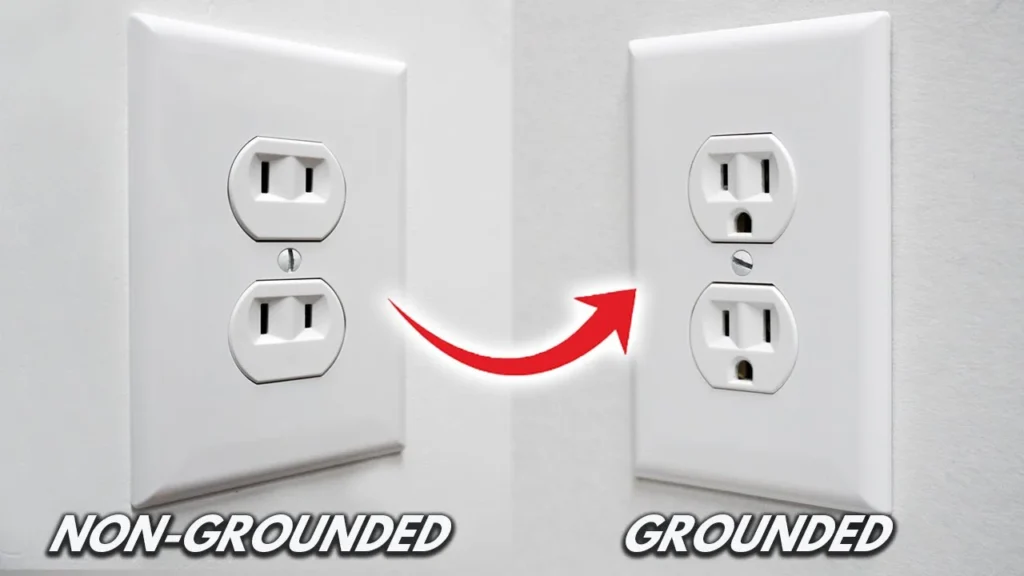
A grounded outlet features three holes: two vertical slots (hot on the left, neutral on the right) and a U-shaped or round ground hole positioned below them. The ground wire creates a safe path for stray electrical current to flow directly into the earth rather than through your body or appliances.
In the United States, the National Electrical Code (NEC) has required grounded outlets in new construction since 1962, but millions of older homes still operate with ungrounded two-prong systems.
Why Grounding Matters
Before diving into testing methods, understand why electrical grounding safety is non-negotiable:
- Shock Prevention: Grounding redirects dangerous currents away from you
- Fire Protection: Prevents overheating and electrical fires
- Equipment Safety: Protects computers, TVs, and appliances from power surges
- Code Compliance: Required for home sales and insurance in many areas
Visual Inspection: The First Step
Count the Prongs
The quickest way to assess your outlets:Table
| Outlet Type | Grounded? | Details |
|---|---|---|
| Two-prong outlets | ❌ No | Common in homes built before 1960 |
| Three-prong outlets | ⚠️ Maybe | Must be verified – some are improperly wired |
Important: Never assume a three-prong outlet is actually grounded. Some homeowners illegally install three-prong outlets on ungrounded circuits to accommodate modern plugs.
Inspect the Outlet Box
If you’re comfortable with basic electrical work:
- Turn OFF power at the circuit breaker
- Remove the faceplate with a screwdriver
- Gently pull the outlet from the box
- Look for a bare copper wire or green insulated wire connected to the green screw terminal
If you see this ground wire, your outlet is properly grounded. Metal outlet boxes may also provide grounding if properly bonded.
How to Test Outlet Grounding
Method 1: Outlet Tester (Recommended for Beginners)
An outlet tester ($5-15 at any hardware store) is the safest and easiest tool:
How to use:
- Plug the tester into the outlet
- Observe the light pattern
- Two amber lights = Properly grounded ✓
- Middle light only = “Open Ground” – not grounded ✗
These handy devices also detect dangerous wiring mistakes like reversed polarity and open neutrals.
Method 2: Multimeter Testing
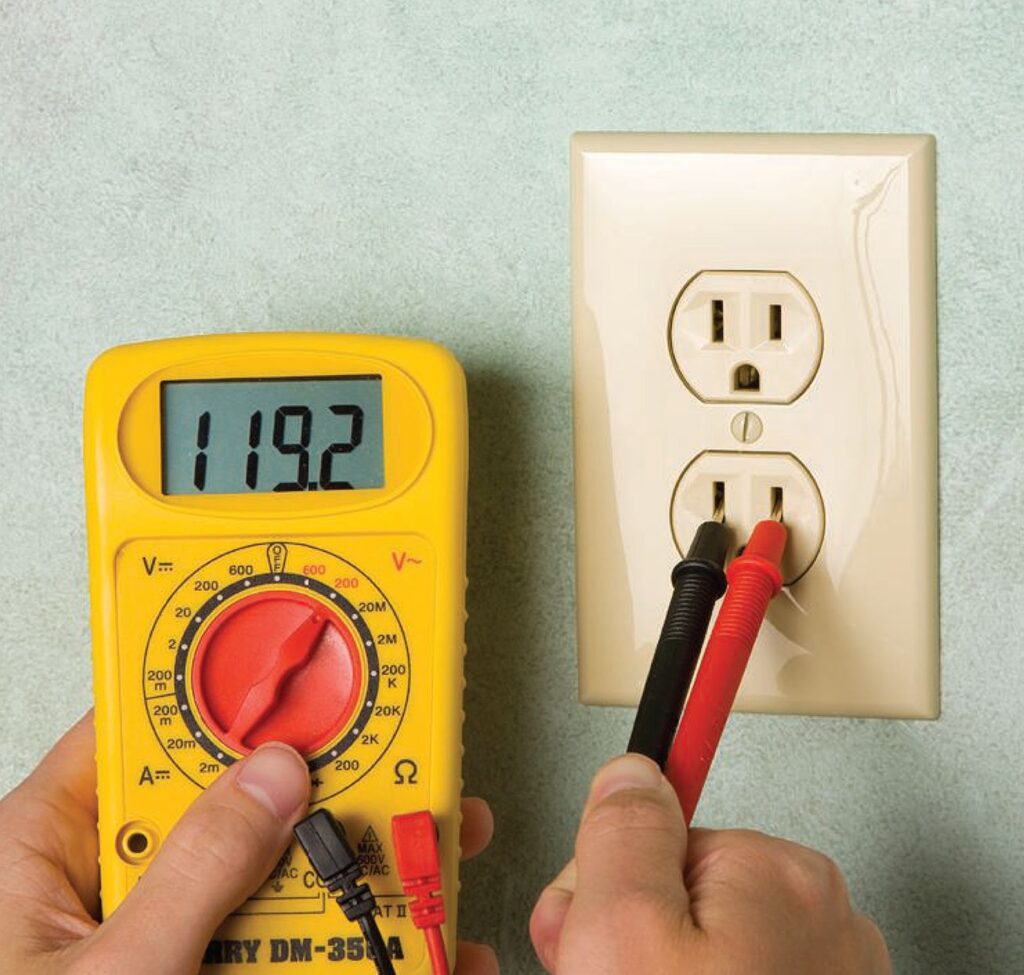
For those with electrical experience, learning how to test outlet grounding with multimeter provides definitive answers:
Voltage Test:
- Set multimeter to AC voltage (200V range or higher)
- Insert black probe into neutral slot (larger slot)
- Insert red probe into hot slot (smaller slot) – should read ~120V
- Move black probe to ground hole (third prong)
- Reading stays at ~120V = Properly grounded
- Reading drops to 0V or very low = Not grounded
Continuity Test (power OFF):
- Set multimeter to resistance (ohms)
- Test between ground terminal and a known ground point (metal water pipe, ground rod)
- Reading near 0 ohms = Good ground connection
Method 3: Neon Circuit Tester
A simple neon tester can verify grounding:
- Place one probe in the hot slot
- Touch the other probe to the outlet’s faceplate screw or ground hole
- Light illuminates = Grounded
- No light = Not grounded
Warning Signs Your Outlets Are Not Properly Grounded
Watch for these ungrounded outlet symptoms:Table
| Warning Sign | What It Indicates |
|---|---|
| Sparks when plugging/unplugging | Faulty or improper grounding |
| Flickering or dimming lights | Unstable electrical flow |
| Mild tingling/shock from appliances | Current seeking path through you |
| Surge protector “ground” light off | No ground path for protection |
| Burning smell or warm outlets | Dangerous electrical arcing |
| Frequent circuit breaker trips | Ground faults or wiring issues |
Two-Prong vs Three-Prong Outlets: Key Differences
Understanding the distinction helps you make informed decisions:
Two-Prong Outlets:
- No ground connection whatsoever
- Accept only two-prong plugs
- Common in pre-1960s construction
- Cannot safely power modern electronics
Three-Prong Outlets:
- Designed with dedicated ground connection
- Accept both two and three-prong plugs
- Required for surge protectors to function
- Standard in all modern construction
Fixing Ungrounded Outlets: Your Options
Option 1: Install a GFCI Outlet
The NEC permits GFCI ungrounded outlet installation as a retrofit solution:
Pros:
- Provides shock protection
- Code-compliant alternative
- Relatively easy installation
Cons:
- Does NOT provide surge protection
- Must be labeled “No Equipment Ground”
- More expensive than standard outlets ($15-25 vs $3-5)
Installation note: When installing a GFCI on an ungrounded circuit, you must place “No Equipment Ground” stickers on the outlet and any downstream protected outlets.
Option 2: Run a New Ground Wire
The best long-term solution:
- Run bare copper wire from outlet location back to main electrical panel
- Connect to grounding bus bar
- May require fishing wires through walls
- Professional installation recommended ($150-300 per outlet)
Option 3: Check for Existing Ground Path
In some older homes with metal conduit:
- The metal conduit itself may serve as ground
- Test continuity between outlet box and panel
- If continuous, you can ground outlets to the box
Option 4: Replace with Two-Prong (Not Recommended)
While code-compliant, this offers zero protection and limits your ability to use modern electronics safely.
Critical Safety Warnings
⚠️ Never create a “bootleg ground” by connecting the neutral wire to the ground terminal. This dangerous shortcut can energize appliance frames and cause fatal shocks.
⚠️ Don’t assume three-prong = grounded in older homes. Always verify with a tester.
⚠️ Turn off power at the breaker before removing outlet covers or touching wiring.
⚠️ Call a licensed electrician if you encounter aluminum wiring, damaged insulation, or feel unsure about any step.
When to Call a Professional Electrician
Contact a licensed electrician if:
- Your home was built before 1960 and has original wiring
- You discover aluminum wiring (common 1965-1973)
- Multiple outlets show “open ground” readings
- You need to run new ground wires through finished walls
- You experience any shock or burning smell
- You’re preparing to sell your home and need code compliance
FAQ: Common Grounding Questions
Q: Can I use a surge protector on an ungrounded outlet? A: No. Surge protectors require a ground path to divert excess voltage. Using one on an ungrounded outlet provides no protection and may create a fire hazard.
Q: Is it safe to use a three-prong adapter (cheater plug)? A: Only if the adapter’s metal tab is properly connected to a grounded screw. Most are used improperly and create shock risks.
Q: How much does it cost to ground an outlet properly? A: DIY with GFCI: $15-25 per outlet. Professional grounding wire installation: $150-300 per outlet. Whole-house rewiring: $2,000-10,000+.
Q: Will home insurance cover ungrounded outlets? A: Many insurers require grounded outlets or GFCIs for coverage. Check your policy and local requirements.
Conclusion
Learning how to tell if an outlet is grounded empowers you to protect your family and property. Start with visual inspection, confirm with an outlet tester, and address ungrounded circuits through GFCI installation or proper rewiring. When in doubt, consult a licensed electrician – electrical safety is never worth risking.
Target Keywords Summary
Primary Keyword: how to tell if outlet is grounded
Secondary Keywords:
- how to check if outlet is grounded without tester
- how to test outlet grounding with multimeter
- ungrounded outlet symptoms
- open ground outlet fix
- three prong outlet not grounded
- GFCI ungrounded outlet
- outlet grounding test DIY
- electrical outlet safety check
- two-prong vs three-prong outlets
Long-tail Keywords:
- how to tell if a three prong outlet is actually grounded
- how to check ground wire in outlet box
- signs your outlets are not properly grounded
- how to fix ungrounded outlets in old house
- outlet tester open ground meaning
- is my outlet grounded test
LSI Keywords: electrical grounding, ground fault, GFCI protection, receptacle tester, home electrical safety, NEC code compliance, bootleg ground, surge protector grounding, open ground, equipment ground