
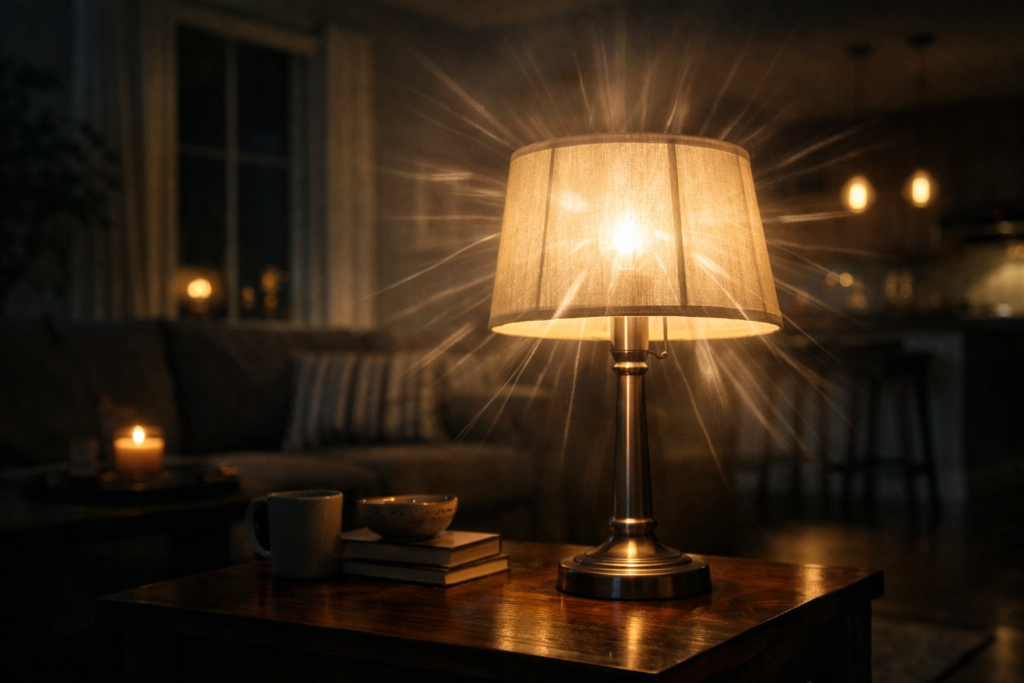
The flickering or intermittent interruption of electricity is a common nuisance for homeowners across the United States. From sporadic light flickers to sudden power outages, this phenomenon can disrupt daily life, damage sensitive electronic devices, and even pose serious safety risks. This issue is particularly exacerbated in a vast and geographically and climatically diverse country like America, where electrical challenges vary significantly from one state to another. What residents of scorching Arizona face with extreme heat and monsoon storms differs from the icy blizzards in the Northeast or the hurricane-prone regions in the South. This comprehensive guide aims to shed light on the root causes of electricity flickering, whether internal to your home’s electrical system or external, related to the public grid or surrounding environmental conditions. It will focus on how diverse climatic and geographical conditions across the U.S. impact electrical systems. Furthermore, it will provide detailed instructions on how to identify the problem Why Does Your Electricity Keep Flickering” safe steps homeowners can take, and when it is essential to call a professional electrician to ensure the safety and efficiency of your electrical system.
Understanding the Root Causes of Electricity Flickering
The reasons behind electricity flickering in your home are numerous and can generally be divided into two main categories: internal problems stemming from your private electrical system and external problems related to the public electricity grid or surrounding environmental factors.
Internal Household Problems
Internal household issues are the most common and often the first thing to check when experiencing flickering electricity. Understanding these causes helps determine whether you can safely resolve the problem yourself or when professional assistance is required.
Overloaded Circuits
This problem occurs when too many high-power-consuming appliances are connected to a single electrical circuit, exceeding its capacity. In the United States, where many rely on multiple electrical devices in every room, this is particularly common. For instance, running a powerful air conditioner, a hairdryer, and a microwave simultaneously on one circuit can exceed the circuit breaker’s capacity, causing it to trip and cut off power to protect the circuit from damage or fire. Signs of an overloaded circuit include frequent light flickering, warm outlets to the touch, a faint burning smell from appliances or outlets, or repeated circuit breaker trips. Solutions involve redistributing appliances across different circuits or upgrading the electrical panel to increase the number or capacity of circuits, which requires professional electrician intervention.
Faulty or Aging Wiring
Over time, the quality of electrical wiring in homes can deteriorate, especially in older buildings whose electrical systems have not been updated. The insulation around wires can wear out, leading to exposed wires touching and causing short circuits or sparks. Loose connections within walls or in junction boxes can also create electrical resistance, generating excessive heat and leading to light flickering or power interruptions. Faulty wiring poses a significant risk, potentially causing electrical fires or shocks. Warning signs of faulty wiring include random and unexplained light flickering, buzzing or crackling sounds from walls, sparks when plugging in or unplugging appliances, a plastic-like burning smell, or abnormal heat in walls around outlets or switches. These issues must be handled with extreme caution; homeowners should not attempt to fix them themselves but should call a licensed electrician immediately.
Electrical Panel Issues
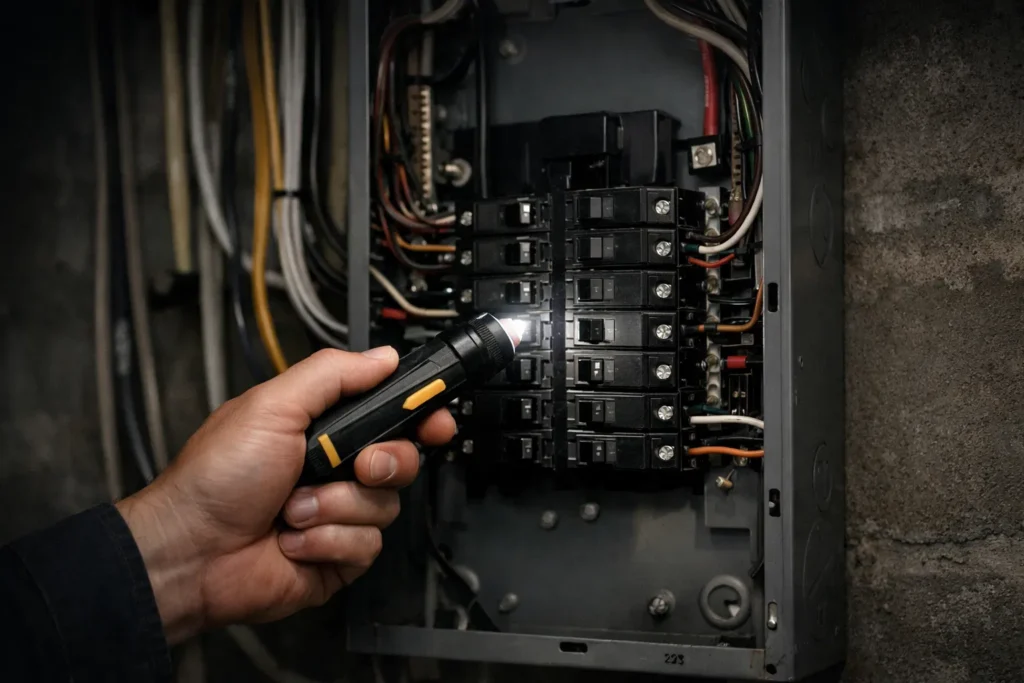
Your electrical panel (breaker panel) is the heart of your home’s electrical system, responsible for safely distributing electricity to all circuits and protecting your home from overloads and short circuits. Several problems can arise from this panel:
•Faulty Breakers: A circuit breaker can become faulty over time, causing it to trip frequently even without an overload, or worse, fail to trip when necessary, exposing the circuit to damage or fire. If you notice a specific breaker tripping constantly, or if it’s warm to the touch, it might be faulty and needs replacement.
•Outdated/Undersized Panels: Many older homes in the United States still have electrical panels designed for the power needs of past decades. With the increasing number of modern electronic devices and growing power demands (e.g., electric vehicle chargers, high-efficiency HVAC systems), these panels may not be able to handle the current load, leading to electricity flickering, frequent breaker trips, or even fire hazards. Signs of an old or inadequate panel include rust on the panel, a burning smell emanating from it, a warm panel surface, or repeated breaker trips. In such cases, upgrading the electrical panel to a newer, more capable system may be necessary.
Loose Connections
Loose connections can occur at any point in the electrical system, from outlets and switches to light fixtures and even within the electrical panel itself. Over time, screws holding wires can loosen due to vibrations or temperature changes. These loose connections create electrical resistance, generating excessive heat at the connection point. This heat can damage insulation, cause sparks, and lead to light flickering or power interruptions. In some cases, you might notice a specific appliance only working intermittently when plugged into a particular outlet, indicating a loose connection in that outlet. Loose connections should be taken seriously, as they are a common source of electrical fires, and their repair requires the expertise of a professional electrician.
External Problems (from the Utility Company)
Sometimes, the problem of electricity flickering does not originate from your home but from the public electricity grid that supplies your power. In these cases, you will often notice that your neighbors are experiencing the same issue.
Faulty Transformers
Transformers are located on utility poles or in green boxes on the ground, responsible for stepping down high-voltage electricity from power plants to a safe level for household use. These transformers can fail due to overloads, lightning strikes, or weather-related damage. When a transformer becomes faulty, it may not be able to provide a stable voltage, leading to electricity flickering in connected homes. If you notice light flickering affecting several homes in your area, the transformer might be the cause, and you should contact your local utility company to report the problem.
Damaged Power Lines
Power lines that carry electricity to your home can be damaged by a variety of factors, including falling trees or branches, vehicle accidents involving poles, strong winds, or ice accumulation. Partial damage to power lines can result in intermittent power delivery, causing current fluctuations. Sometimes, the damage may not be visible from the ground but still affects the quality of the electrical supply. If you suspect damaged power lines, you should stay away from them and contact the utility company immediately, as handling them can be extremely dangerous.
Grid Instability
Problems in the main electrical grid can occur due to overall grid overloads, especially during peak energy consumption periods (such as severe heatwaves that increase air conditioner usage). Scheduled maintenance work or widespread failures at power plants or main transmission lines can also lead to grid instability, affecting the quality of the electrical current and causing flickering or intermittent outages. In such cases, utility companies often issue public notices about potential outages or grid problems.
The Impact of American Climate and Geography on Electrical Systems
The United States is a micro-continent with immense climatic and geographical diversity, and this diversity plays a crucial role in the nature and frequency of electricity flickering problems. Each region faces unique challenges that affect its electrical infrastructure.
Extreme Heat and Drought (Southwest – Arizona, California, Nevada)
Southwestern states, such as Arizona, California, and Nevada, are known for their extremely hot and dry summers, where temperatures often exceed 100°F (38°C) and sometimes reach 120°F (49°C). These harsh conditions directly affect electrical systems in several ways:
•Heat’s Effect on Wires and Transformers: High temperatures cause electrical wires to expand and contract repeatedly, leading to weakened connections and insulation degradation over time. Electrical transformers, whether on poles or in substations, can overheat and fail, causing outages or current fluctuations. Plastic wire insulation becomes brittle and cracks in extreme heat, increasing the risk of short circuits and fires.
•Massive Demand for Air Conditioning: During hot summer months, energy demand surges significantly due to extensive air conditioner use. This overload puts immense strain on the electrical grid and household electrical systems, increasing the likelihood of circuit breaker trips, wire overheating, and electricity flickering.
•Wildfire Risks: Wildfires are a recurring problem in these dry regions, and damaged power lines can ignite or exacerbate these fires. Sometimes, utility companies implement “Public Safety Power Shutoffs” during periods of high winds and severe drought to reduce wildfire risk, leading to intentional and extended power outages.
Severe Storms (Southeast, Midwest, Northeast)
Other regions in the United States are exposed to different types of severe weather phenomena that affect electricity stability:
•Hurricanes & Thunderstorms: Coastal states in the Southeast (e.g., Florida, Louisiana, Texas) are particularly vulnerable to hurricanes and severe thunderstorms. These storms bring very strong winds, heavy rainfall, and lightning strikes. Winds can knock down trees onto power lines, damage poles, and cause widespread outages. Lightning can directly strike transformers or power lines, leading to damage and current fluctuations. Heavy rainfall can cause floods that affect underground electrical infrastructure.
•Winter Storms & Ice: Northern and Eastern regions of the United States (e.g., New England, Midwest) experience harsh winter storms and ice. Ice can accumulate on power lines and trees, increasing their weight and causing them to fall and damage infrastructure. Freezing temperatures can also affect the performance of electrical equipment and cause connection problems.
•Earthquakes: States like California are located on active seismic fault lines. Earthquakes can cause significant damage to electrical infrastructure, including transmission lines, substations, and even in-home electrical systems, leading to widespread outages and current fluctuations after aftershocks.
Aging Infrastructure
In many older cities and states, especially in the Northeast and parts of the Midwest, electrical infrastructure dates back decades. These older systems were not designed to handle current energy demands and are more susceptible to damage and wear. Old wiring, outdated transformers, and electrical panels past their lifespan all contribute to electrical instability and flickering. These regions require significant investment in infrastructure modernization to ensure a reliable and safe electrical supply for residents. This challenge is not limited to one region but is a national issue requiring continuous attention from utility companies and local and federal governments.
DIY vs. Pro: When to Tackle Electrical Issues Yourself
When your electricity starts to flicker, the first reaction might be to try and fix the problem yourself. However, it’s crucial to know when it’s safe to intervene and when you should step back and call a professional electrician. Dealing with electricity can be extremely dangerous if you don’t have the right experience and tools.
Safe Checks You Can Do Yourself
There are some basic and safe steps any homeowner can take to diagnose or solve a simple problem:
•Resetting Breakers: This is the first and most common step. If a circuit breaker trips, it moves to the “Off” position or a middle position between “On” and “Off.” To correct this, first, turn the breaker completely off, then turn it back on. If the breaker trips again immediately, it indicates a deeper problem (like a persistent overload or a short circuit) that requires professional inspection. Always remember to unplug appliances from the circuit before resetting the breaker to avoid an immediate overload.
•Checking Outlets & Appliances: Unplug all appliances from the outlets on the affected circuit. Then, plug in just one device (like a lamp) into each outlet one at a time. If the device works normally in one outlet and the power flickers in another, the problem might be with the outlet itself. Also, ensure that appliance cords are securely plugged into the outlets and are not damaged.
•Replacing Light Bulbs: Sometimes, the cause of flickering lights is as simple as an old or incompatible light bulb. Try replacing the bulb with a new one of the same type and wattage. If the flickering continues, the problem is not the bulb.
•Basic Safety Tips: When dealing with any electrical issue, even a simple one, always follow safety procedures. Always turn off the power to the affected circuit from the breaker panel before starting any inspection. Wear rubber-soled shoes for insulation. Never touch any electrical parts with wet hands or while standing on a wet floor. If you feel any hesitation or uncertainty, do not take the risk.
Warning Signs That Require an Immediate Call to a Professional Electrician
Some signs clearly indicate that the problem is serious and requires immediate intervention from a licensed electrician. Ignoring these signs can lead to severe risks, including electrical fires or shocks:
•Burning Smell, Sparks, or Shocks: Any burning smell coming from outlets, switches, the breaker panel, or wiring; seeing sparks when plugging in a device; or feeling an electric shock when touching an appliance or switch are clear red flags that require an immediate call to professionals. You may need to cut off the main power to the entire house from the main breaker panel as a precaution until the electrician arrives.
•Frequent Breaker Trips for No Apparent Reason: If a circuit breaker trips repeatedly even after resetting it and unplugging devices, it indicates a serious electrical problem within the circuit itself, such as a short circuit or faulty wiring.
•Hot Outlets or Breaker Panel: If outlets, switches, or the breaker panel are abnormally hot to the touch, it indicates high electrical resistance and excessive heat generation, which poses a fire hazard.
•Partial Power Outage in Parts of the Home: If some rooms or appliances lose power while the rest work normally, it could indicate a problem with a specific circuit or the main connections to that area.
•Persistent Flickering After Ruling Out Simple Issues: If you have tried all the safe steps mentioned above and the electricity flickering problem persists, it means the issue is deeper and requires a professional diagnosis.
Services Provided by a Professional Electrician
When you call a licensed electrician, they will provide a range of specialized services to ensure the safety and efficiency of your electrical system:
•Accurate Problem Diagnosis: Electricians use specialized tools (such as multimeters) to identify the root cause of the electricity flickering, whether it’s in the wiring, outlets, breaker panel, or even at the service entry point to your home.
•Repairing Faulty Wiring and Loose Connections: They can identify and repair damaged wiring, replace worn-out insulation, and tighten loose connections throughout the system.
•Upgrading Electrical Panels: If your panel is old or inadequate, an electrician can upgrade it to a modern panel that meets your home’s current and future power needs, adding extra circuits and protective breakers.
•Installing Surge Protectors: They can install whole-house surge protectors, which protect all connected electronic devices from damage caused by sudden voltage spikes, whether from a lightning strike or a grid problem.
•Comprehensive Electrical System Inspection: Electricians offer comprehensive inspections of the electrical system to ensure it complies with national and local safety codes and to identify any potential hazards before they escalate.
Prevention and Maintenance for a Stable Electrical System
Prevention is better than cure, and this is especially true for electrical systems. By taking proactive steps for maintenance and upgrades, you can reduce the likelihood of electricity flickering and ensure the safety of your home and family.
Periodic Electrical Inspections
A periodic electrical inspection by a licensed electrician is crucial, especially in areas of the United States with harsh weather conditions. A comprehensive inspection is recommended every 3 to 5 years, or annually for older homes or those in areas prone to severe storms or high heat. A professional inspection includes:
•Inspecting the breaker panel and breakers for safety and efficiency.
•Checking all wiring and connections to ensure they are tight and undamaged.
•Testing protective devices like GFCI (Ground Fault Circuit Interrupter) and AFCI (Arc Fault Circuit Interrupter) outlets.
•Assessing the electrical system’s capacity to meet the home’s current and future power needs.
•Identifying any potential hazards or violations of electrical building codes.
Managing Electrical Loads
To avoid overloaded circuits, follow these tips:
•Distribute Appliances: Try to distribute high-power-consuming appliances (like microwaves, dishwashers, air conditioners, water heaters) across different electrical circuits as much as possible.
•Avoid Overusing Extension Cords: Extension cords are designed for temporary use. Permanent use can lead to overheating and a fire risk. If you need more outlets, consider having additional ones installed by an electrician.
•Use Power Strips Wisely: Ensure the power strips you use have surge protection and are rated to handle the electrical load of the connected devices.
Electrical System Upgrades
Some upgrades may be necessary to ensure a safe and reliable electrical system:
•Panel Upgrade: If your panel is old (over 20-30 years) or if you plan to add high-power appliances (like an EV charger or a new HVAC system), it might be time to upgrade to a 200-amp panel or more. This ensures your system can safely handle the increased power demand.
•Installing GFCI and AFCI Breakers: These breakers provide additional protection against electric shocks and fires. GFCI outlets are required in wet areas (like bathrooms, kitchens, and outdoors), while AFCI breakers protect against fires caused by electrical arcs in wiring.
•Whole-House Surge Protection: Instead of relying on individual power strips, a whole-house surge protection system can be installed at the breaker panel. This provides comprehensive protection for all connected devices in your home from sudden voltage spikes.
Geography-Specific Tips
Given the climatic diversity in the United States, homeowners can take specific preventive steps for their region:
•Southwest (Heat and Drought): Ensure that wires exposed to heat are well-protected. Regularly inspect your air conditioning system to ensure its efficiency and reduce the load on the grid. Trim trees near power lines to reduce the risk of wildfires.
•Storm-Prone Areas (Hurricanes, Winter Storms): Proactively trim trees around your home and power lines. Consider installing a backup generator to provide power during long outages. Secure any outdoor structures that could be blown away by wind and damage power lines.
•Older Regions (Aging Infrastructure): Prioritize periodic electrical inspections and system upgrades. Replace old wiring (like aluminum or cloth-insulated wiring) with modern copper wiring.
Mega FAQ Section
To answer the most common questions homeowners across America might have about electricity flickering, we’ve compiled this comprehensive section:
•Q: Can extreme heat in America damage my home’s wiring?
•A: Yes, high and sustained temperatures, especially in states like Arizona and California, can cause wire insulation to deteriorate and connections to loosen over time. This increases the risk of short circuits and electrical fires. The repeated expansion and contraction of wires due to temperature changes also contribute to weakening connections.
•Q: Why does the power go out more during storm season?
•A: Storms (whether thunderstorms, snowstorms, or hurricanes) are the leading cause of power outages and flickering. Strong winds knock down trees onto power lines, lightning strikes transformers, and ice weighs down wires. Power demand also increases during storms (for heating or cooling), putting additional strain on the grid.
•Q: Should I upgrade my electrical panel if my house was built in the 1980s?
•A: Electrical panels in homes built in the 1980s (or earlier) are often designed for much lower power requirements than today. With the increasing use of modern appliances, these panels may not be able to handle the load, leading to frequent breaker trips and safety risks. It is highly recommended to have it evaluated by a professional electrician to consider an upgrade.
•Q: How often should I have my electrical system inspected in [Example State Name]?
•A: Generally, a comprehensive electrical inspection is recommended every 3 to 5 years. However, in states with extreme weather conditions (like hurricane-prone Florida or hot Arizona), or if your home is old, an annual inspection may be safer to ensure potential problems are caught early.
•Q: Is it normal for my breakers to trip more in the summer?
•A: Frequent breaker trips in the summer are not normal and indicate a problem. It is often caused by an overload on the circuits due to the heavy use of air conditioners and other appliances. This suggests that your electrical system may not be able to handle the increased demand and should be inspected by an electrician.
•Q: What is the cost to fix an electricity flickering problem?
•A: The cost varies significantly based on the root cause of the problem and your geographical location. It could range from a few hundred dollars for a simple fix (like replacing a breaker) to several thousand dollars for a panel upgrade or a complete home rewiring. The best way to get an accurate estimate is to call an electrician to assess the problem.
•Q: Does electricity flickering affect the lifespan of my appliances?
•A: Yes, frequent electricity flickering can significantly reduce the lifespan of electronic appliances, especially sensitive ones like computers, TVs, and HVAC systems. Sudden voltage surges can damage internal components, leading to premature failure. It is recommended to use surge protection to protect your devices.
•Q: What is the difference between a power outage and power flickering?
•A: A power outage is a complete loss of electricity for a period of time. Power flickering/intermittent power is a partial or intermittent loss of power, where lights blink or appliances turn off and on repeatedly and quickly. Flickering often indicates a deeper problem in the system.
•Q: Can I fix the wiring myself?
•A: It is never recommended to attempt to fix electrical wiring yourself unless you are a licensed electrician with the necessary experience and tools. Handling electrical wiring carries very high risks of electric shock and fire. Always leave complex wiring work to professionals.
•Q: How do I find a reliable electrician in my area?
•A: Look for licensed and insured electricians in your area. You can check online review sites (like Yelp, Google Reviews, BBB), or ask for recommendations from friends and neighbors. Be sure to request multiple quotes and compare services and prices before making a decision.
Conclusion
Understanding the underlying causes of electricity flickering in your home, whether internal or external, is the first step toward ensuring a safe and comfortable living environment. We have seen how the climatic and geographical diversity of the United States adds layers of complexity to this problem, from the scorching heat of the Southwest to the snowstorms of the Northeast. By taking preventive measures, conducting periodic inspections, and knowing when to intervene yourself and when to call a professional electrician, you can protect your home, your appliances, and your family from potential risks. Always remember that safety comes first, and never hesitate to seek help from experts when it comes to electricity. Invest in the maintenance of your electrical system to ensure a reliable and stable power supply for your home for years to come.
References
•Department of Energy – Electrical Safety
•National Fire Protection Association (NFPA) – Electrical Safety
•Electrical Safety Foundation International (ESFI)
•U.S. Energy Information Administration (EIA) – Electricity
•Consumer Product Safety Commission (CPSC) – Electrical Hazards