
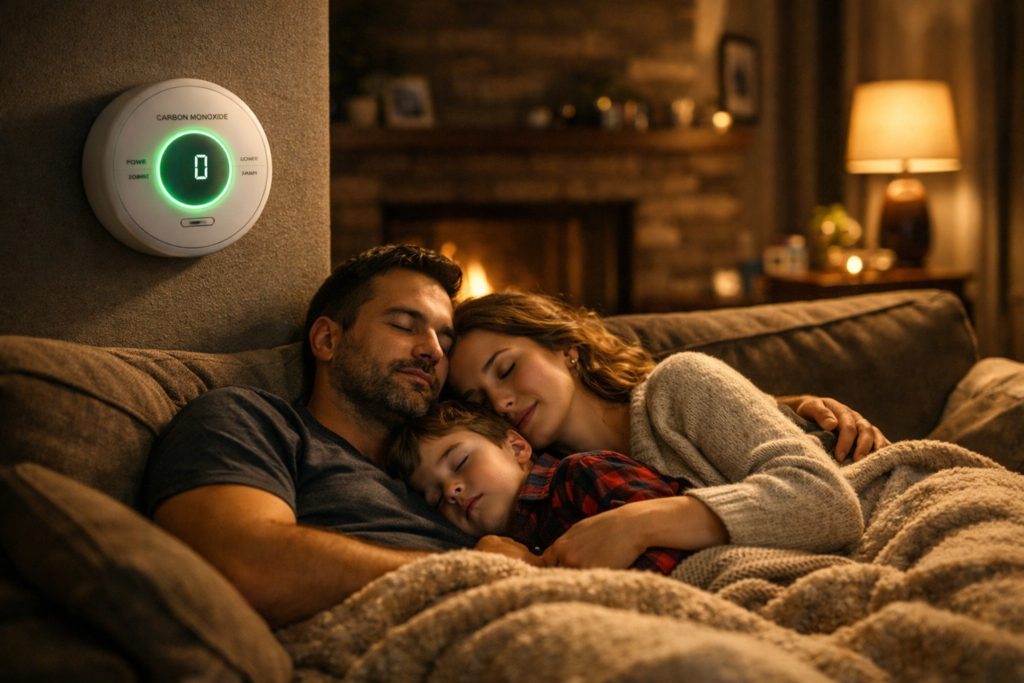
Introduction: The Silent Killer Threatening Every Home
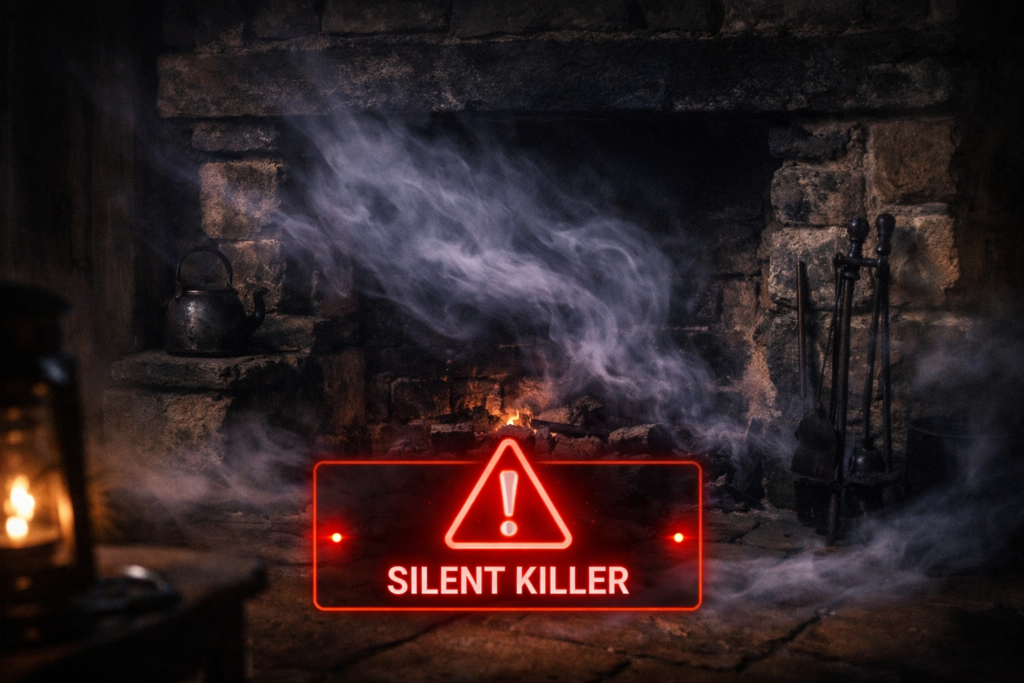
At the heart of every American home, where the threads of daily life intertwine, lies a hidden danger—a colorless, odorless, and tasteless Carbon Monoxide Safety in American Homes threat capable of transforming from a mere presence into a deadly menace within minutes. This is carbon monoxide (CO), famously known as the “silent killer.” Despite technological advancements and increasing awareness of home safety, carbon monoxide poisoning remains a serious public health issue across the United States, causing hundreds of fatalities and thousands of emergency room visits annually .
Imagine a typical scenario: a cold winter night, the furnace humming quietly, or perhaps a generator running in the garage after a power outage. In these seemingly safe moments, carbon monoxide can slowly seep in, causing deceptive flu-like symptoms that leave victims unaware of the impending danger. The inability to detect this gas with human senses is what makes it so perilous, underscoring the paramount importance of knowledge and prevention.
This article aims to be a comprehensive guide for every American homeowner, shedding light on everything you need to know about carbon monoxide: from its nature and sources to its poisoning symptoms, key prevention strategies, and the laws and regulations designed to protect your family. We will also outline a clear action plan for what to do in an emergency, and provide practical tips to ensure a safe and protected home environment. Protecting your loved ones begins with knowledge, and together, we can transform this silent threat into a story of safety.
What is Carbon Monoxide (CO)?
Carbon monoxide is a gas composed of one carbon atom and one oxygen atom. It is produced when carbon-based fuels are not burned completely. This means that any appliance that burns fuel can produce carbon monoxide if it malfunctions or if there is insufficient ventilation. Carbon-based fuels include natural gas, propane, gasoline, kerosene, coal, oil, and wood.
Its Dangerous Properties
What makes carbon monoxide uniquely dangerous are its physical properties, which render it undetectable by human senses:
•Colorless: It cannot be seen.
•Odorless: It cannot be smelled.
•Tasteless: It cannot be tasted.
These characteristics are why it’s dubbed the “silent killer.” The gas can accumulate in enclosed spaces without any obvious warning signs, leading to poisoning without individuals realizing it. When inhaled, carbon monoxide enters the bloodstream and binds to hemoglobin in red blood cells much more strongly than oxygen. This prevents hemoglobin from carrying oxygen to the body’s vital tissues and organs, leading to oxygen deprivation, also known as “hypoxia.”
Common Sources of Carbon Monoxide in American Homes
The sources of carbon monoxide in homes are numerous, with most originating from fuel-burning appliances. It is crucial to identify these sources to ensure their proper maintenance and ventilation:
•Heating Systems: This includes furnaces, boilers, and water heaters powered by natural gas, propane, or oil. If these systems are old, poorly maintained, or have blocked flues, carbon monoxide can leak into the home.
•Fireplaces and Wood Stoves: Wood-burning or gas fireplaces and fuel-burning stoves can be sources of carbon monoxide if flues are not clean and unobstructed, or if there is inadequate ventilation.
•Water Heaters: Gas-powered water heaters are another common source. They should be inspected regularly to ensure the exhaust system is functioning efficiently.
•Gas Cooking Appliances: Gas ovens and stoves can produce carbon monoxide, especially if the burners are not burning with a clean blue flame (a yellow or orange flame may indicate incomplete combustion).
•Portable Generators: Portable generators are particularly dangerous sources, often used during power outages. Generators must always be operated outdoors, away from windows, doors, and vents, to ensure exhaust fumes do not enter the home. Operating a generator inside a garage or home is a fatal mistake.
•Car and Truck Engines: Running a car engine in an enclosed garage, even for a short period, can lead to dangerous levels of carbon monoxide accumulating very quickly. Always open the garage door when running a vehicle inside.
•Charcoal or Propane Grills: These grills should only be used outdoors. Never use them inside the home, garage, or any other enclosed space.
•Gas-Powered Tools: Such as lawnmowers, chainsaws, or pressure washers, should only be used outdoors.
Why is Carbon Monoxide Dangerous?
The danger of carbon monoxide lies in its ability to bind to hemoglobin in the blood very effectively, hindering the blood’s capacity to carry oxygen to vital organs. This oxygen deprivation can affect the brain, heart, and other organs, leading to permanent damage or death.
Mechanism of Action on the Body
When a person inhales carbon monoxide, it passes through the lungs into the bloodstream. There, carbon monoxide binds to hemoglobin to form a compound called carboxyhemoglobin (COHb). The problem is that hemoglobin has an affinity for carbon monoxide that is about 200 to 250 times greater than for oxygen . This means carbon monoxide effectively displaces oxygen from hemoglobin, preventing it from binding to and transporting oxygen to cells and tissues. As a result, cells begin to suffer from oxygen deficiency, leading to dysfunction in vital organs.
The severity of poisoning depends on the concentration of carbon monoxide in the air, the duration of exposure, and the individual’s general health. Young children, the elderly, individuals with heart or lung conditions, and pregnant women are most at risk .
Alarming Statistics: The Prevalence of Carbon Monoxide Poisoning in the United States
Statistics show that carbon monoxide continues to pose a significant public health threat in the United States. According to the Centers for Disease Control and Prevention (CDC), over 400 Americans die annually from unintentional carbon monoxide poisoning not linked to fires . Additionally, more than 100,000 people visit emergency rooms, and over 14,000 are hospitalized each year due to carbon monoxide poisoning .
These numbers may be underestimated, as carbon monoxide poisoning cases are often misdiagnosed as flu or other illnesses due to similar symptoms. Many of these deaths and injuries occur during winter months, when heating appliance use increases .
Table 1: Carbon Monoxide Poisoning Statistics in the United States (Annual Estimates)
| Indicator | Estimated Annual Number | Source |
| Unintentional Deaths | > 400 | CDC |
| Emergency Room Visits | > 100,000 | CDC |
| Hospitalizations | > 14,000 | NCBI |
These statistics underscore the urgent need for increased awareness and the implementation of strict preventive measures to protect lives and homes from this silent danger.
Symptoms of Carbon Monoxide Poisoning: Signs You Should Never Ignore
The symptoms of carbon monoxide poisoning are deceptive because they often mimic common illnesses like the flu or food poisoning. This similarity makes diagnosis difficult and delays seeking help, increasing the severity of the condition. It is crucial to recognize these symptoms and treat them seriously, especially if they appear in several people in the same location or improve when leaving the home.
Mild to Moderate Symptoms (Often Flu-Like)
When exposed to low to moderate levels of carbon monoxide, the following symptoms may appear:
•Headache: Often the first and most common symptom, it may be described as a throbbing or tension headache.
•Nausea and Vomiting: The person may feel nauseous and vomit, leading them to believe it’s food poisoning.
•Dizziness and Lightheadedness: A feeling of imbalance or wooziness.
•Fatigue and Weakness: A general feeling of tiredness and weakness, even after rest.
•Shortness of Breath: Mild difficulty breathing or a feeling of tightness in the chest.
•Confusion: Difficulty concentrating or thinking clearly.
These symptoms can worsen with increased duration of exposure or gas concentration. If you notice these symptoms appearing when you are at home and improving when you leave, it is a strong red flag for potential carbon monoxide presence.
Severe and Dangerous Symptoms
With exposure to high levels of carbon monoxide, or prolonged exposure, symptoms can progress to become severe and life-threatening:
•Loss of Consciousness: The person may suddenly lose consciousness.
•Seizures: Muscle spasms or epileptic seizures may occur.
•Severe Muscle Weakness: Inability to move or stand.
•Vision and Hearing Problems: Blurred vision or difficulty hearing.
•Brain Damage: Oxygen deprivation can cause permanent brain damage.
•Coma and Death: In extreme cases, severe poisoning can lead to coma and then death if immediate medical intervention is not provided.
Young children and infants may exhibit different symptoms such as irritability, lethargy, or difficulty feeding. Pets may also show signs of poisoning before humans, such as lethargy or vomiting.
When to Seek Medical Help?
If you suspect that you or anyone else has been exposed to carbon monoxide poisoning, even if the symptoms are mild, you must take immediate action:
1.Get to Fresh Air Immediately: Move yourself, all people, and pets to a safe outdoor location with fresh air.
2.Call Emergency Services (911): Once you are in a safe place outside the home, call 911 or your local fire department immediately. Inform them that you suspect carbon monoxide poisoning in your home.
3.Do Not Re-enter the Home: Do not re-enter the home until it has been inspected by professionals and confirmed to be free of carbon monoxide.
4.Notify Others: If there are neighbors or other family members who might be at risk, inform them of the situation.
Remember, early detection and rapid intervention can save lives and prevent serious complications. Never hesitate to seek help if you have the slightest doubt.
Prevention is Better Than Cure: Essential Steps to Protect Your Home
Prevention is the first and most effective line of defense against the danger of carbon monoxide. By following some simple and regular steps, you can significantly reduce the risk of exposure and ensure your family’s safety. These measures do not require significant effort but make a huge difference in protecting lives.
1. Install Carbon Monoxide Detectors (CO Detectors)
Carbon monoxide detectors are the most crucial tool for detecting this hidden gas. Since you cannot see, smell, or taste it, a detector is your eyes and nose against this threat. These devices are designed to emit a loud audible alarm when dangerous levels of carbon monoxide are detected, giving you enough time to evacuate the home and seek help.
Where to Install Them?
For maximum protection, carbon monoxide detectors should be installed in strategic locations within the home :
•Outside each separate sleeping area: This ensures that sleeping occupants are alerted if gas leaks during the night.
•On every level of the home: Including the basement and upper floors. Carbon monoxide mixes with air, so all levels should be covered.
•Near appliances that produce carbon monoxide: Such as furnaces, water heaters, and fireplaces. However, do not place them directly above these appliances to avoid false alarms.
•In an attached garage: If you have an attached garage, it is essential to install a detector there, especially if you run a vehicle inside.
Additional Installation Tips:
•Avoid installing them near windows, doors, or vents, as air currents can affect device readings.
•Avoid installing them in areas that may be exposed to high humidity (such as bathrooms) or extreme temperatures.
•Always follow the manufacturer’s instructions for precise installation.
Types of Detectors and Their Features
Carbon monoxide detectors are available in various types, each with its features:
•Battery-powered detectors: Offer flexibility in installation and are not affected by power outages. They require regular battery changes.
•Hardwired detectors (with battery backup): Are plugged into an electrical outlet and provide continuous protection, with a battery backup to ensure operation during power outages.
•Combination detectors (CO/Smoke Alarms): Combine the functions of carbon monoxide and smoke detection in one device, providing comprehensive protection.
•Smart CO Detectors: Connect to your home’s Wi-Fi network and send alerts to your smartphone, integrating with other smart home systems.
When purchasing, look for devices certified by organizations such as Underwriters Laboratories (UL) or the Canadian Standards Association (CSA), which ensures they meet strict safety standards.
Regular Maintenance of Detectors
Installation alone is not enough; devices must be maintained regularly to ensure their efficient operation:
•Test the device monthly: Use the test button on the device to ensure the alarm is working.
•Change batteries: In battery-powered devices, change them at least once a year, or when the device emits a low battery warning signal.
•Clean the device: Regularly clean the device’s vents to remove dust and debris that may hinder its operation.
•Replace the entire device: Most carbon monoxide detectors have a lifespan of 5 to 7 years. Check the expiration date on the device and replace it when necessary, even if it appears to be working normally.
2. Regular Maintenance of Fuel-Burning Appliances
Regular maintenance of fuel-burning appliances is vital to prevent carbon monoxide leaks. Malfunctioning or poorly maintained appliances can cause incomplete combustion of fuel, leading to carbon monoxide production.
Heating Systems and Fireplaces
•Annual Inspection: Have your heating system (furnace, boiler) inspected by a qualified technician once a year, preferably before the heating season begins. The technician will ensure the system is operating efficiently and that flues are clear of obstructions.
•Chimney Cleaning: If you have a wood-burning or gas fireplace, ensure the chimney is cleaned regularly to remove soot and blockages that can prevent toxic gases from escaping.
Water Heaters
•Regular Inspection: Regularly inspect your gas-powered water heater to ensure vents are clean and unobstructed and that the flame is burning correctly.
Gas Cooking Appliances
•Flame Inspection: Ensure that the flames on your gas stove and oven are blue. Yellow or orange flames may indicate incomplete combustion and carbon monoxide production. If you notice this, contact a qualified technician.
•Use Kitchen Exhaust Fan: Use the kitchen exhaust fan when cooking on a gas stove to help ventilate gases.
Portable Generators and Small Engines
•Outdoor Operation Only: This is the golden rule. Never operate portable generators, lawnmowers, or any small gas-powered engines inside the home, garage, or any enclosed space, even if doors and windows are open.
•Safe Distance: Place generators at least 20 feet away from the home, away from windows, doors, and vents.
3. Good Ventilation: The Key to Safety
Adequate ventilation is essential to prevent carbon monoxide accumulation. When fuel is burned in an enclosed space without proper ventilation, dangerous levels of gas can accumulate quickly.
Importance of Ventilation in Garages and Enclosed Spaces
•Garages: Do not leave a car running in an enclosed garage. If you must run the car inside, open the garage door completely to ensure adequate ventilation.
•Other Enclosed Spaces: Avoid using any fuel-burning appliance in enclosed areas such as basements, sheds, or tents.
Use Appliances in Open Areas Only
•Grills: Use charcoal or propane grills outdoors only. Never use them inside the home or garage.
•Patio Heaters: Propane-powered patio heaters are designed for outdoor use only. Do not use them in enclosed or semi-enclosed spaces.
By following these preventive guidelines, you can create a safer home environment and protect your family from the silent threat of carbon monoxide. Investing in detectors, regular maintenance, and awareness of good ventilation practices are simple yet crucial steps for your safety.
References
[1] OSHA. (n.d.). 1917.24 – Carbon monoxide. Occupational Safety and Health Administration.
[2] NFPA. (n.d.). Carbon Monoxide safety. National Fire Protection Association.
[3] First Alert. (n.d.). Carbon Monoxide Detector Laws.
[4] EPA. (n.d.). Carbon Monoxide’s Impact on Indoor Air Quality. Environmental Protection Agency.
[5] Illinois State Fire Marshal. (n.d.). Carbon Monoxide Detectors.
[6] CO2Meter. (2024, August 15). Carbon Monoxide Levels and Exposure Limits Chart.
[8] USAFacts. (2023, November 22). Is carbon monoxide still a problem in the US?
[9] McMahon, K. (2025). Carbon Monoxide Toxicity – StatPearls – NCBI Bookshelf.
[11] NCOAA. (n.d.). Carbon Monoxide Victims. National Carbon Monoxide Awareness Association.
[13] NCHH. (n.d.). Carbon Monoxide Poisoning Prevention. National Center for Healthy Housing.
[15] Brookings Health System. (n.d.). Protecting Your Home & Family from Carbon Monoxide.
Frequently Asked Questions (FAQ)
Can I smell or see carbon monoxide?
No, carbon monoxide is a colorless, odorless, and tasteless gas, making it undetectable by human senses. This is why it’s known as the “silent killer,” emphasizing the importance of carbon monoxide detectors.
How many carbon monoxide detectors do I need?
It is recommended to install a carbon monoxide detector outside each separate sleeping area, on every level of the home (including the basement), and near any fuel-burning appliances. Always check your local and state laws for precise requirements.
What is the lifespan of a carbon monoxide detector?
Most carbon monoxide detectors have a lifespan of 5 to 7 years. The device should be replaced entirely after this period, even if it appears to be working normally, as the sensor loses its sensitivity over time. Check the manufacturing or expiration date on the device.
Should I worry about carbon monoxide if I don’t have gas appliances?
Yes, you should still worry. Carbon monoxide can be produced by any appliance that burns fuel, including wood, charcoal, kerosene, or even gasoline (such as portable generators). Gas can also leak from neighbors or an attached garage. Therefore, installing detectors is essential for all homes.
What is the difference between a smoke detector and a carbon monoxide detector?
A smoke detector is designed to detect smoke particles from fires. A carbon monoxide detector is designed to detect carbon monoxide gas. They are completely different devices and detect different hazards. It is recommended to install both types of devices in your home for comprehensive protection.
Laws and Regulations Regarding Carbon Monoxide in the United States
The United States recognizes the severity of carbon monoxide, and therefore, numerous laws and regulations have been enacted at both federal and state levels to ensure citizen safety. These laws aim to mandate the installation of carbon monoxide detectors in homes and buildings and to set safety standards for appliances that produce this gas.
Overview of Federal and State Legislation
While there is no comprehensive federal law mandating the installation of carbon monoxide detectors in all residential homes in the United States, many states and municipalities have enacted their own laws. These laws vary in scope and requirements but all aim to increase awareness and reduce carbon monoxide poisoning incidents .
•Federal Level: The U.S. Occupational Safety and Health Administration (OSHA) focuses on worker safety in workplaces, setting exposure limits for carbon monoxide . The Environmental Protection Agency (EPA) also provides guidance and awareness on indoor air quality and the impact of carbon monoxide .
•State and Local Level: As of 2024, 48 U.S. states have passed legislation requiring carbon monoxide detectors in homes . These laws may differ in their specifics, such as the types of buildings covered (new homes, existing homes, rental apartments), specific installation locations, and the type of detectors required (battery-operated, hardwired, combined with smoke detectors).
Carbon Monoxide Detector Requirements in Various States
Carbon monoxide detector installation requirements vary significantly among states. For example:
•Illinois: As of January 1, 2007, homeowners and landlords are required to install carbon monoxide detectors within 15 feet of rooms used for sleeping .
•New York: Requires carbon monoxide detectors in all homes with fuel-burning appliances or an attached garage.
•California: Requires carbon monoxide detectors in all residential homes with fuel-burning appliances or an attached garage.
It is essential for homeowners and tenants to check local and state laws in their area to ensure compliance. Non-compliance with these laws can lead to fines or other legal consequences, and more importantly, exposes residents to danger.
Table 2: Examples of Carbon Monoxide Detector Requirements in Some U.S. States
| State | Law Effective Date | Key Installation Requirements |
| Illinois | 2007 | Within 15 feet of sleeping rooms in all residential homes and buildings |
| New York | 2009 | In all homes with fuel-burning appliances or an attached garage |
| California | 2011 | In all residential homes with fuel-burning appliances or an attached garage |
| Maryland | 2008 | In all homes with fuel-burning appliances or an attached garage, or located above or adjacent to a garage |
These laws play a crucial role in increasing awareness and providing an additional layer of protection against carbon monoxide poisoning. However, relying solely on laws is not enough; individuals must also take personal initiatives to ensure their safety and the safety of their families.
Emergency Plan: What to Do if Your Carbon Monoxide Alarm Sounds?
Despite all preventive measures, a carbon monoxide alarm may sound at any time. In such a moment, it is crucial to act quickly and calmly. Having a clear emergency plan and practicing it can save lives.
Immediate and Essential Steps
If your carbon monoxide alarm sounds, follow these steps immediately:
1.Get to Fresh Air Immediately: The most important step is to evacuate all people and pets from the home to a safe outdoor location with fresh air. Do not attempt to gather personal belongings or investigate the cause of the alarm. The top priority is to get fresh air.
2.Call Emergency Services (911): Once you are in a safe place outside the home, call 911 or your local fire department. Inform them that your carbon monoxide alarm has sounded in your home.
3.Do Not Re-enter the Home: Do not re-enter the home until you are given permission by emergency services or a qualified technician. They will check carbon monoxide levels, identify the source of the leak, and repair it.
4.Notify Others: If there are neighbors or other family members who might be at risk, inform them of the situation.
When to Evacuate the Home?
Evacuate the home immediately in any of the following situations:
•If the carbon monoxide alarm sounds: This is the clearest and most effective warning.
•If you or anyone else experiences symptoms of carbon monoxide poisoning: Even if the alarm does not sound, symptoms are a serious sign.
•If you hear a continuous chirping sound from the detector: This may indicate dangerous levels of gas, or it may indicate a malfunction of the device. In either case, it should be treated seriously.
Communicating with Emergency Services
When calling emergency services, be prepared to provide the following information:
•Your full address.
•The number of people evacuated from the home.
•Any symptoms anyone is experiencing.
•The type of device that sounded (carbon monoxide detector).
Firefighters or specialized technicians will use special equipment to detect carbon monoxide and identify its source. They may also ventilate the home to reduce gas levels.
Additional Tips for Carbon Monoxide Safety
In addition to the basic steps for prevention and emergency response, there are some extra tips that can enhance the safety of your home and family from the danger of carbon monoxide.
Continuous Awareness and Education
•Educate all family members: Ensure that all family members, including children, understand the risks of carbon monoxide, how to recognize poisoning symptoms, and what to do if the alarm sounds. Review the emergency plan regularly.
•Share Information: Talk to friends and neighbors about carbon monoxide safety. Many may not be aware of the danger or the necessary preventive measures.
Importance of Regular Home Inspections
•Inspect Flues and Vents: Ensure that all flues and vents for fuel-burning appliances are free of obstructions (such as bird nests or accumulated leaves). Blockages can lead to carbon monoxide accumulation inside the home.
•Inspect Old Appliances: If you have old fuel-burning appliances, consider replacing them with newer, more efficient, and safer models. Modern appliances often come with additional safety features.
•Do Not Block Openings: Never block openings or cracks in walls or ceilings that may be designed for ventilation, especially in areas where fuel-burning appliances are located.
Conclusion: A Safe and Protected Home Environment
In conclusion, carbon monoxide remains a real and silent threat to every home in the United States. However, as we have seen, protecting against it is neither complex nor costly. With the right knowledge, adherence to simple preventive measures, and good preparation for emergencies, we can transform our homes into safe havens protected from this hidden danger.
The installation of carbon monoxide detectors, regular maintenance of all fuel-burning appliances, and ensuring good ventilation are not just recommendations; they are vital investments in the health and safety of our families. Always remember that symptoms can be deceptive, and prompt action when the alarm sounds is the key to survival.
Let us take responsibility for protecting ourselves, our loved ones, and our communities from this silent killer. Through awareness and vigilance, we can ensure that our homes remain places of comfort and safety, far from the shadow of carbon monoxide.
References
[16] OSHA. (n.d.). 1917.24 – Carbon monoxide. Occupational Safety and Health Administration.
[16] NFPA. (n.d.). Carbon Monoxide safety. National Fire Protection Association.
[16] First Alert. (n.d.). Carbon Monoxide Detector Laws.
[16] EPA. (n.d.). Carbon Monoxide’s Impact on Indoor Air Quality. Environmental Protection Agency.
[16] Illinois State Fire Marshal. (n.d.). Carbon Monoxide Detectors.
[16] CO2Meter. (2024, August 15). Carbon Monoxide Levels and Exposure Limits Chart.
[16] USAFacts. (2023, November 22). Is carbon monoxide still a problem in the US?
[16] McMahon, K. (2025). Carbon Monoxide Toxicity – StatPearls – NCBI Bookshelf.
[16] NCOAA. (n.d.). Carbon Monoxide Victims. National Carbon Monoxide Awareness Association.
[16] NCHH. (n.d.). Carbon Monoxide Poisoning Prevention. National Center for Healthy Housing.
[16] Brookings Health System. (n.d.). Protecting Your Home & Family from Carbon Monoxide.
Frequently Asked Questions (FAQ)
Can I smell or see carbon monoxide?
No, carbon monoxide is a colorless, odorless, and tasteless gas, making it undetectable by human senses. This is why it’s known as the “silent killer,” emphasizing the importance of carbon monoxide detectors.
How many carbon monoxide detectors do I need?
It is recommended to install a carbon monoxide detector outside each separate sleeping area, on every level of the home (including the basement), and near any fuel-burning appliances. Always check your local and state laws for precise requirements.
What is the lifespan of a carbon monoxide detector?
Most carbon monoxide detectors have a lifespan of 5 to 7 years. The device should be replaced entirely after this period, even if it appears to be working normally, as the sensor loses its sensitivity over time. Check the manufacturing or expiration date on the device.
Should I worry about carbon monoxide if I don’t have gas appliances?
Yes, you should still worry. Carbon monoxide can be produced by any appliance that burns fuel, including wood, charcoal, kerosene, or even gasoline (such as portable generators). Gas can also leak from neighbors or an attached garage. Therefore, installing detectors is essential for all homes.
What is the difference between a smoke detector and a carbon monoxide detector?
A smoke detector is designed to detect smoke particles from fires. A carbon monoxide detector is designed to detect carbon monoxide gas. They are completely different devices and detect different hazards. It is recommended to install both types of devices in your home for comprehensive protection.
Laws and Regulations Regarding Carbon Monoxide in the United States
The United States recognizes the severity of carbon monoxide, and therefore, numerous laws and regulations have been enacted at both federal and state levels to ensure citizen safety. These laws aim to mandate the installation of carbon monoxide detectors in homes and buildings and to set safety standards for appliances that produce this gas.
Overview of Federal and State Legislation
While there is no comprehensive federal law mandating the installation of carbon monoxide detectors in all residential homes in the United States, many states and municipalities have enacted their own laws. These laws vary in scope and requirements but all aim to increase awareness and reduce carbon monoxide poisoning incidents .
•Federal Level: The U.S. Occupational Safety and Health Administration (OSHA) focuses on worker safety in workplaces, setting exposure limits for carbon monoxide . The Environmental Protection Agency (EPA) also provides guidance and awareness on indoor air quality and the impact of carbon monoxide .
•State and Local Level: As of 2024, 48 U.S. states have passed legislation requiring carbon monoxide detectors in homes . These laws may differ in their specifics, such as the types of buildings covered (new homes, existing homes, rental apartments), specific installation locations, and the type of detectors required (battery-operated, hardwired, combined with smoke detectors).
Carbon Monoxide Detector Requirements in Various States
Carbon monoxide detector installation requirements vary significantly among states. For example:
•Illinois: As of January 1, 2007, homeowners and landlords are required to install carbon monoxide detectors within 15 feet of rooms used for sleeping .
•New York: Requires carbon monoxide detectors in all homes with fuel-burning appliances or an attached garage.
•California: Requires carbon monoxide detectors in all residential homes with fuel-burning appliances or an attached garage.
It is essential for homeowners and tenants to check local and state laws in their area to ensure compliance. Non-compliance with these laws can lead to fines or other legal consequences, and more importantly, exposes residents to danger.
Table 2: Examples of Carbon Monoxide Detector Requirements in Some U.S. States
| State | Law Effective Date | Key Installation Requirements |
| Illinois | 2007 | Within 15 feet of sleeping rooms in all residential homes and buildings |
| New York | 2009 | In all homes with fuel-burning appliances or an attached garage |
| California | 2011 | In all residential homes with fuel-burning appliances or an attached garage |
| Maryland | 2008 | In all homes with fuel-burning appliances or an attached garage, or located above or adjacent to a garage |
These laws play a crucial role in increasing awareness and providing an additional layer of protection against carbon monoxide poisoning. However, relying solely on laws is not enough; individuals must also take personal initiatives to ensure their safety and the safety of their families.
Emergency Plan: What to Do if Your Carbon Monoxide Alarm Sounds?
Despite all preventive measures, a carbon monoxide alarm may sound at any time. In such a moment, it is crucial to act quickly and calmly. Having a clear emergency plan and practicing it can save lives.
Immediate and Essential Steps
If your carbon monoxide alarm sounds, follow these steps immediately:
1.Get to Fresh Air Immediately: The most important step is to evacuate all people and pets from the home to a safe outdoor location with fresh air. Do not attempt to gather personal belongings or investigate the cause of the alarm. The top priority is to get fresh air.
2.Call Emergency Services (911): Once you are in a safe place outside the home, call 911 or your local fire department. Inform them that your carbon monoxide alarm has sounded in your home.
3.Do Not Re-enter the Home: Do not re-enter the home until you are given permission by emergency services or a qualified technician. They will check carbon monoxide levels, identify the source of the leak, and repair it.
4.Notify Others: If there are neighbors or other family members who might be at risk, inform them of the situation.
When to Evacuate the Home?
Evacuate the home immediately in any of the following situations:
•If the carbon monoxide alarm sounds: This is the clearest and most effective warning.
•If you or anyone else experiences symptoms of carbon monoxide poisoning: Even if the alarm does not sound, symptoms are a serious sign.
•If you hear a continuous chirping sound from the detector: This may indicate dangerous levels of gas, or it may indicate a malfunction of the device. In either case, it should be treated seriously.
Communicating with Emergency Services
When calling emergency services, be prepared to provide the following information:
•Your full address.
•The number of people evacuated from the home.
•Any symptoms anyone is experiencing.
•The type of device that sounded (carbon monoxide detector).
Firefighters or specialized technicians will use special equipment to detect carbon monoxide and identify its source. They may also ventilate the home to reduce gas levels.
Additional Tips for Carbon Monoxide Safety
In addition to the basic steps for prevention and emergency response, there are some extra tips that can enhance the safety of your home and family from the danger of carbon monoxide.
Continuous Awareness and Education
•Educate all family members: Ensure that all family members, including children, understand the risks of carbon monoxide, how to recognize poisoning symptoms, and what to do if the alarm sounds. Review the emergency plan regularly.
•Share Information: Talk to friends and neighbors about carbon monoxide safety. Many may not be aware of the danger or the necessary preventive measures.
Importance of Regular Home Inspections
•Inspect Flues and Vents: Ensure that all flues and vents for fuel-burning appliances are free of obstructions (such as bird nests or accumulated leaves). Blockages can lead to carbon monoxide accumulation inside the home.
•Inspect Old Appliances: If you have old fuel-burning appliances, consider replacing them with newer, more efficient, and safer models. Modern appliances often come with additional safety features.
•Do Not Block Openings: Never block openings or cracks in walls or ceilings that may be designed for ventilation, especially in areas where fuel-burning appliances are located.
Conclusion: A Safe and Protected Home Environment
In conclusion, carbon monoxide remains a real and silent threat to every home in the United States. However, as we have seen, protecting against it is neither complex nor costly. With the right knowledge, adherence to simple preventive measures, and good preparation for emergencies, we can transform our homes into safe havens protected from this hidden danger.
The installation of carbon monoxide detectors, regular maintenance of all fuel-burning appliances, and ensuring good ventilation are not just recommendations; they are vital investments in the health and safety of our families. Always remember that symptoms can be deceptive, and prompt action when the alarm sounds is the key to survival.
Let us take responsibility for protecting ourselves, our loved ones, and our communities from this silent killer. Through awareness and vigilance, we can ensure that our homes remain places of comfort and safety, far from the shadow of carbon monoxide.
Frequently Asked Questions (FAQ)
Can I smell or see carbon monoxide?
No, carbon monoxide is a colorless, odorless, and tasteless gas, making it undetectable by human senses. This is why it’s known as the “silent killer,” emphasizing the importance of carbon monoxide detectors.
How many carbon monoxide detectors do I need?
It is recommended to install a carbon monoxide detector outside each separate sleeping area, on every level of the home (including the basement), and near any fuel-burning appliances. Always check your local and state laws for precise requirements.
What is the lifespan of a carbon monoxide detector?
Most carbon monoxide detectors have a lifespan of 5 to 7 years. The device should be replaced entirely after this period, even if it appears to be working normally, as the sensor loses its sensitivity over time. Check the manufacturing or expiration date on the device.
Should I worry about carbon monoxide if I don’t have gas appliances?
Yes, you should still worry. Carbon monoxide can be produced by any appliance that burns fuel, including wood, charcoal, kerosene, or even gasoline (such as portable generators). Gas can also leak from neighbors or an attached garage. Therefore, installing detectors is essential for all homes.
What is the difference between a smoke detector and a carbon monoxide detector?
A smoke detector is designed to detect smoke particles from fires. A carbon monoxide detector is designed to detect carbon monoxide gas. They are completely different devices and detect different hazards. It is recommended to install both types of devices in your home for comprehensive protection.
Laws and Regulations Regarding Carbon Monoxide in the United States
The United States recognizes the severity of carbon monoxide, and therefore, numerous laws and regulations have been enacted at both federal and state levels to ensure citizen safety. These laws aim to mandate the installation of carbon monoxide detectors in homes and buildings and to set safety standards for appliances that produce this gas.
Overview of Federal and State Legislation
While there is no comprehensive federal law mandating the installation of carbon monoxide detectors in all residential homes in the United States, many states and municipalities have enacted their own laws. These laws vary in scope and requirements but all aim to increase awareness and reduce carbon monoxide poisoning incidents .
•Federal Level: The U.S. Occupational Safety and Health Administration (OSHA) focuses on worker safety in workplaces, setting exposure limits for carbon monoxide . The Environmental Protection Agency (EPA) also provides guidance and awareness on indoor air quality and the impact of carbon monoxide .
•State and Local Level: As of 2024, 48 U.S. states have passed legislation requiring carbon monoxide detectors in homes . These laws may differ in their specifics, such as the types of buildings covered (new homes, existing homes, rental apartments), specific installation locations, and the type of detectors required (battery-operated, hardwired, combined with smoke detectors).
Carbon Monoxide Detector Requirements in Various States
Carbon monoxide detector installation requirements vary significantly among states. For example:
•Illinois: As of January 1, 2007, homeowners and landlords are required to install carbon monoxide detectors within 15 feet of rooms used for sleeping .
•New York: Requires carbon monoxide detectors in all homes with fuel-burning appliances or an attached garage.
•California: Requires carbon monoxide detectors in all residential homes with fuel-burning appliances or an attached garage.
It is essential for homeowners and tenants to check local and state laws in their area to ensure compliance. Non-compliance with these laws can lead to fines or other legal consequences, and more importantly, exposes residents to danger.
Table 2: Examples of Carbon Monoxide Detector Requirements in Some U.S. States
| State | Law Effective Date | Key Installation Requirements |
| Illinois | 2007 | Within 15 feet of sleeping rooms in all residential homes and buildings |
| New York | 2009 | In all homes with fuel-burning appliances or an attached garage |
| California | 2011 | In all residential homes with fuel-burning appliances or an attached garage |
| Maryland | 2008 | In all homes with fuel-burning appliances or an attached garage, or located above or adjacent to a garage |
These laws play a crucial role in increasing awareness and providing an additional layer of protection against carbon monoxide poisoning. However, relying solely on laws is not enough; individuals must also take personal initiatives to ensure their safety and the safety of their families.
Emergency Plan: What to Do if Your Carbon Monoxide Alarm Sounds?
Despite all preventive measures, a carbon monoxide alarm may sound at any time. In such a moment, it is crucial to act quickly and calmly. Having a clear emergency plan and practicing it can save lives.
Immediate and Essential Steps
If your carbon monoxide alarm sounds, follow these steps immediately:
1.Get to Fresh Air Immediately: The most important step is to evacuate all people and pets from the home to a safe outdoor location with fresh air. Do not attempt to gather personal belongings or investigate the cause of the alarm. The top priority is to get fresh air.
2.Call Emergency Services (911): Once you are in a safe place outside the home, call 911 or your local fire department. Inform them that your carbon monoxide alarm has sounded in your home.
3.Do Not Re-enter the Home: Do not re-enter the home until you are given permission by emergency services or a qualified technician. They will check carbon monoxide levels, identify the source of the leak, and repair it.
4.Notify Others: If there are neighbors or other family members who might be at risk, inform them of the situation.
When to Evacuate the Home?
Evacuate the home immediately in any of the following situations:
•If the carbon monoxide alarm sounds: This is the clearest and most effective warning.
•If you or anyone else experiences symptoms of carbon monoxide poisoning: Even if the alarm does not sound, symptoms are a serious sign.
•If you hear a continuous chirping sound from the detector: This may indicate dangerous levels of gas, or it may indicate a malfunction of the device. In either case, it should be treated seriously.
Communicating with Emergency Services
When calling emergency services, be prepared to provide the following information:
•Your full address.
•The number of people evacuated from the home.
•Any symptoms anyone is experiencing.
•The type of device that sounded (carbon monoxide detector).
Firefighters or specialized technicians will use special equipment to detect carbon monoxide and identify its source. They may also ventilate the home to reduce gas levels.
Additional Tips for Carbon Monoxide Safety
In addition to the basic steps for prevention and emergency response, there are some extra tips that can enhance the safety of your home and family from the danger of carbon monoxide.
Continuous Awareness and Education
•Educate all family members: Ensure that all family members, including children, understand the risks of carbon monoxide, how to recognize poisoning symptoms, and what to do if the alarm sounds. Review the emergency plan regularly.
•Share Information: Talk to friends and neighbors about carbon monoxide safety. Many may not be aware of the danger or the necessary preventive measures.
Importance of Regular Home Inspections
•Inspect Flues and Vents: Ensure that all flues and vents for fuel-burning appliances are free of obstructions (such as bird nests or accumulated leaves). Blockages can lead to carbon monoxide accumulation inside the home.
•Inspect Old Appliances: If you have old fuel-burning appliances, consider replacing them with newer, more efficient, and safer models. Modern appliances often come with additional safety features.
•Do Not Block Openings: Never block openings or cracks in walls or ceilings that may be designed for ventilation, especially in areas where fuel-burning appliances are located.
Conclusion: A Safe and Protected Home Environment
In conclusion, carbon monoxide remains a real and silent threat to every home in the United States. However, as we have seen, protecting against it is neither complex nor costly. With the right knowledge, adherence to simple preventive measures, and good preparation for emergencies, we can transform our homes into safe havens protected from this hidden danger.
The installation of carbon monoxide detectors, regular maintenance of all fuel-burning appliances, and ensuring good ventilation are not just recommendations; they are vital investments in the health and safety of our families. Always remember that symptoms can be deceptive, and prompt action when the alarm sounds is the key to survival.
Let us take responsibility for protecting ourselves, our loved ones, and our communities from this silent killer. Through awareness and vigilance, we can ensure that our homes remain places of comfort and safety, far from the shadow of carbon monoxide.
References
[16] OSHA. (n.d.). 1917.24 – Carbon monoxide. Occupational Safety and Health Administration.
[16] NFPA. (n.d.). Carbon Monoxide safety. National Fire Protection Association.
[16] First Alert. (n.d.). Carbon Monoxide Detector Laws.
: https://www.epa.gov/indoor-air-quality-iaq/carbon-monoxides-impact-indoor-air-quality “EPA. (n.d.). Carbon Monoxide\”s Impact on Indoor Air Quality. Environmental Protection Agency.”
: https://sfm.illinois.gov/about/divisions/fire-prevention-and-building-safety/carbon-monoxide-detectors.html “Illinois State Fire Marshal. (n.d.). Carbon Monoxide Detectors.”
: https://www.co2meter.com/blogs/news/carbon-monoxide-levels-chart?srsltid=AfmBOooKW-2kBWsN2Hs1k–BU2j8Mwcf63z4BHOnzWQ1btJb322jSg0_ “CO2Meter. (2024, August 15). Carbon Monoxide Levels and Exposure Limits Chart.”
: https://www.cdc.gov/carbon-monoxide/about/index.html “CDC. (2026, January 12). Carbon Monoxide Poisoning Basics. Centers for Disease Control and Prevention.”
: https://usafacts.org/articles/is-carbon-monoxide-still-a-problem-in-the-us/ “USAFacts. (2023, November 22). Is carbon monoxide still a problem in the US?”
: https://www.ncbi.nlm.nih.gov/books/NBK430740/ “McMahon, K. (2025). Carbon Monoxide Toxicity – StatPearls – NCBI Bookshelf.”
: https://uihc.org/health-topics/carbon-monoxide-knowing-answer-these-six-questions-could-save-your-life “UIHC. (n.d.). Carbon monoxide: Knowing the answer to these six questions could save your life. University of Iowa Hospitals & Clinics.”
: https://www.ncoaa.us/resources/victims-2024 “NCOAA. (n.d.). Carbon Monoxide Victims. National Carbon Monoxide Awareness Association.”
: https://www.epa.gov/indoor-air-quality-iaq/protect-your-family-and-yourself-carbon-monoxide-poisoning “EPA. (2025, October 7). Protect Your Family and Yourself from Carbon Monoxide Poisoning. Environmental Protection Agency.”
: https://nchh.org/tools-and-data/communications-tools/carbon-monoxide-poisoning-prevention/ “NCHH. (n.d.). Carbon Monoxide Poisoning Prevention. National Center for Healthy Housing.”
: https://mehlvillefire.com/carbon-monoxide-awareness-safety-tips/ “Mehlville Fire Protection District. (2025, October 7). Carbon Monoxide Awareness & CO Safety Tips.”
: https://www.brookingshealth.org/news-events/news/protecting-your-home-family-carbon-monoxide “Brookings Health System. (n.d.). Protecting Your Home & Family from Carbon Monoxide.”
Frequently Asked Questions (FAQ)
Can I smell or see carbon monoxide?
No, carbon monoxide is a colorless, odorless, and tasteless gas, making it undetectable by human senses. This is why it’s known as the “silent killer,” emphasizing the importance of carbon monoxide detectors.
How many carbon monoxide detectors do I need?
It is recommended to install a carbon monoxide detector outside each separate sleeping area, on every level of the home (including the basement), and near any fuel-burning appliances. Always check your local and state laws for precise requirements.
What is the lifespan of a carbon monoxide detector?
Most carbon monoxide detectors have a lifespan of 5 to 7 years. The device should be replaced entirely after this period, even if it appears to be working normally, as the sensor loses its sensitivity over time. Check the manufacturing or expiration date on the device.
Should I worry about carbon monoxide if I don’t have gas appliances?
Yes, you should still worry. Carbon monoxide can be produced by any appliance that burns fuel, including wood, charcoal, kerosene, or even gasoline (such as portable generators). Gas can also leak from neighbors or an attached garage. Therefore, installing detectors is essential for all homes.
What is the difference between a smoke detector and a carbon monoxide detector?
A smoke detector is designed to detect smoke particles from fires. A carbon monoxide detector is designed to detect carbon monoxide gas. They are completely different devices and detect different hazards. It is recommended to install both types of devices in your home for comprehensive protection.