

Listen, I’ve lived in Southaven long enough to know that our summers are brutal and our winters can be surprisingly cold. When I finally decided to add a hot tub to my backyard in the Greenbrook area, I thought the hard part was picking the right model. Boy, was I wrong. The real challenge? Getting the hot tub pool wiring done right. And let me tell you—if you’re thinking about adding a hot tub, pool, or spa to your Southaven home, the electrical work isn’t something you can wing.
I’m writing this because I learned the hard way. I tried to cut corners, I got bad advice from a “handyman” who claimed he could do electrical work, and I almost ended up with a fire hazard in my backyard. After fixing my mistakes with a licensed DeSoto County electrician, I want to make sure you don’t repeat them. Whether you’re in Snowden Grove, Hope Sullivan, Windyke, or anywhere else in Southaven, this guide covers everything you need to know about hot tub pool wiring—from permits and costs to safety codes and choosing the right electrician.
Let’s get into it before you take the plunge.
Why Hot Tub Pool Wiring in Southaven Is Nothing Like Regular Electrical Work
: Water and Electricity Don’t Mix—Especially in Mississippi Humidity
Here’s the thing that a lot of Southaven homeowners don’t realize: hot tub pool wiring isn’t just “running a wire to your backyard.” This is specialized electrical work that has to account for water, humidity, chemicals, and extreme weather. And let me tell you—Southaven has all of those in spades.
Our humidity levels in the summer regularly hit 80-90%. That means every connection, every outlet, every wire nut in your hot tub or pool electrical system is under constant moisture stress. Regular outdoor wiring might survive in a dry climate. In Southaven? It’ll corrode, short out, or worse—electrocute someone.
When I got my hot tub, the first electrician I called (the legitimate one, not the handyman) walked me through this. He showed me the National Electrical Code (NEC) requirements for hot tub pool wiring, and I realized this was way more complex than I thought. GFCI protection, bonding grids, equipotential planes—it was like learning a new language.
The Memphis Metro Climate Means Your Hot Tub Works Year-Round
One advantage of living in Southaven? Our climate is mild enough that you can use a hot tub pretty much year-round. Even in January, when we get those cold snaps, there’s nothing better than soaking in 102-degree water while it’s 35 degrees outside. But that also means your hot tub pool wiring has to handle constant use, not just summer parties.
In colder months, your hot tub heater is working overtime. In summer, the pump runs more to keep the water circulating and cool. All of this electrical demand falls on that one dedicated circuit running from your panel to your backyard. If the wiring isn’t sized correctly—if the breaker isn’t right, if the connections are loose—you’re looking at potential failure during the exact moment you want to use it most.
My neighbor in Hope Sullivan learned this the hard way. He installed a pool with cheap wiring to save money. First freeze of winter, the pool pump motor burned out because the wiring couldn’t handle the startup load in cold weather. Cost him $800 for a new pump plus $1,200 to rewire it correctly. Penny wise, pound foolish.
Why Your Existing Electrical Panel Probably Can’t Handle a Hot Tub or Pool
This is where most Southaven homeowners get surprised. You buy a beautiful hot tub. You clear the backyard. You get it delivered. And then the electrician shows up and says, “Your panel can’t handle this.”
A typical hot tub draws 50-60 amps at 240 volts. A pool pump might need 20-30 amps. If you want a pool heater, add another 30-50 amps. If you’ve got a 100-amp panel like so many homes in Southaven’s older neighborhoods—Greenbrook, Chapel Hill, parts of Southaven proper—you’re already maxed out before you even fill the tub with water.
I had to upgrade my panel from 100 amps to 200 amps as part of my hot tub installation. It added $2,800 to the project, but it was non-negotiable. The electrician showed me the load calculation: my AC (30 amps), dryer (24 amps), water heater (20 amps), kitchen appliances (20 amps), plus the hot tub (50 amps). That’s 144 amps right there, and that doesn’t count lights, TVs, computers, and everything else.
If you’re dreaming of a hot tub or pool, budget for a panel upgrade too. Most Southaven homes need it.
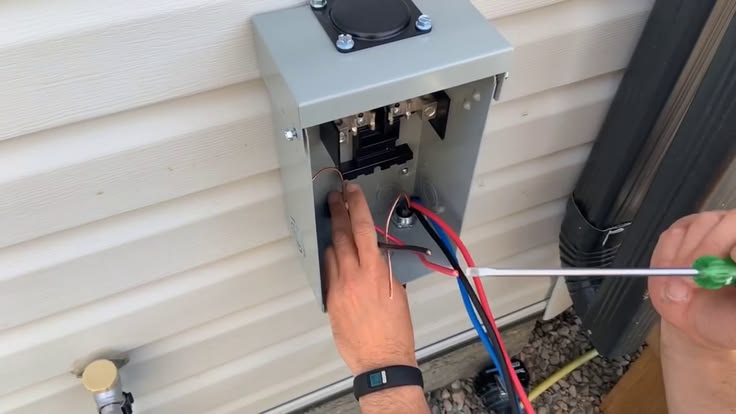
: The Real Cost of DIY Hot Tub Pool Wiring: A Southaven Homeowner’s Cautionary Tale
I promised I’d tell you about my handyman mistake, so here it is. When I first got my hot tub, I hired a guy who said he “did electrical work on the side.” He was cheaper than the licensed electricians by about $800. He ran a wire from my garage panel, buried it about 3 inches deep (supposed to be 18-24 inches), used indoor-rated wire instead of outdoor-rated UF cable, and skipped the GFCI because “it trips too much.”
For two weeks, everything seemed fine. Then one evening, my wife went to turn on the hot tub jets and got a mild shock. Not enough to hurt her badly, but enough to scare us both. I called a real electrician the next day. He found:
- Wire buried too shallow (could be hit by a shovel or aerator)
- No GFCI protection (code violation and deadly dangerous)
- Wire gauge too small for the distance (voltage drop causing overheating)
- No disconnect panel within sight of the hot tub (required by code)
- No bonding grid (if someone touched the metal frame and ground simultaneously, they could be electrocuted)
The fix cost me $3,400—way more than if I’d hired the right person from day one. And I was lucky. That shock could have been fatal. Hot tub pool wiring is not a DIY project, and it’s not a job for a handyman. Period.
Southaven’s Severe Weather: Why Outdoor Electrical Has to Be Bulletproof
We get some serious weather in DeSoto County. Spring thunderstorms with lightning. Summer heat that melts plastic. Occasional ice storms that crack everything. And tornado warnings that remind us we’re in the South.
Your hot tub pool wiring has to survive all of this. That means:
- Weatherproof disconnect panels rated for outdoor use
- Proper burial depth so it doesn’t get damaged by yard work or freeze-thaw cycles
- Surge protection because lightning strikes near pools and hot tubs are more common than you think
- UV-resistant conduit if any wiring runs above ground
After my rewiring, the electrician installed a whole-house surge protector too. He said he’d seen too many Southaven homes lose hot tub control panels, pool pumps, and even main panels after lightning storms. For $300 extra, it was cheap insurance.
Hot Tub Pool Wiring vs. Regular Outdoor Wiring: What Makes It Different?
GFCI Requirements: The Non-Negotiable Safety Feature for Southaven Homes
GFCI (Ground Fault Circuit Interrupter) is required by the NEC for all hot tub and pool electrical circuits. This device detects tiny current leaks—like if water gets into a connection or someone touches a live wire while in the water—and shuts off power in milliseconds.
For hot tub pool wiring in Southaven, you need:
- GFCI breaker in the main panel for the hot tub circuit
- GFCI outlet for any pool equipment within 20 feet of the water
- GFCI protection for all underwater lighting
My electrician told me about a job he did in Snowden Grove where the previous installer had skipped the GFCI on the pool lights because “they were sealed.” A seal failed, water got in, and a teenager got shocked while swimming at night. The kid was okay, but the homeowner faced a massive lawsuit.
Don’t skip GFCI. Don’t let anyone talk you out of it. It’s not optional—it’s life-saving.
: Bonding and Grounding: The Safety Step Most Handymen Skip
This is the technical stuff that separates professional hot tub pool wiring from dangerous hack jobs. Bonding means connecting all metal components—the hot tub frame, pool walls, ladder, handrails, light fixtures, even the rebar in the concrete deck—with a continuous copper wire. This ensures everything is at the same electrical potential, so you can’t get shocked by touching two metal things at once.
Grounding is different. That’s the safety path that sends fault current back to the panel to trip the breaker. You need both, and they need to be done correctly.
The handyman who did my first wiring skipped bonding entirely. The licensed electrician who fixed it spent three hours just on the bonding grid. He ran #8 copper wire to every metal component within 5 feet of the hot tub and connected it all back to a bonding lug. It looked like overkill to me, but he explained: “If your kid touches the wet handrail and the metal fence at the same time, this wire is the only thing keeping them alive.”
That stuck with me. Bonding isn’t code red tape—it’s a lifesaver.
: Dedicated Circuits: Why Your Hot Tub Can’t Share Power with Your Patio Lights
A dedicated circuit means one breaker in your panel serves only the hot tub or pool equipment—nothing else. This is required by code and essential for safety.
Why? Because hot tubs and pool pumps draw a lot of power when they start up. If they’re sharing a circuit with your patio lights or outdoor outlets, that startup surge can cause voltage drops, flickering, overheating, or breaker trips. Worse, if something goes wrong with the shared circuit, you might not know which device is causing the problem.
For Southaven homes, typical dedicated circuit requirements are:
- Hot tub: 50A or 60A at 240V (depending on model)
- Pool pump: 20A at 240V for variable speed, 30A for single speed
- Pool heater: 30A-50A at 240V (electric) or gas with 15A control circuit
- Pool lights: 15A at 120V with GFCI
- Hot tub pump/heater combo: Usually one 50A-60A circuit covers both
My hot tub needed a 60A dedicated circuit. The electrician ran #6 AWG copper wire (because of the 80-foot distance from my panel) in 1-inch PVC conduit buried 18 inches deep. It was a serious installation, not a weekend project.
Disconnect Requirements: Why You Need a “Kill Switch” Within Sight
The NEC requires a disconnect panel within sight of any hot tub or pool equipment. This means if someone is in the water and something goes wrong, anyone nearby can kill the power immediately without running to the main panel in the garage.
For my hot tub, the electrician installed a weatherproof disconnect panel on the fence about 8 feet from the tub. It’s a simple switch—flip it up for on, down for off. Cost about $150 for the panel and installation, but it’s peace of mind you can’t put a price on.
In Southaven, where we have kids, grandkids, and neighbors over all the time for pool parties, this isn’t just code—it’s common sense. Make sure your electrician installs the disconnect where it’s visible and accessible, not hidden behind bushes or locked in a shed.
: Underground vs. Overhead Wiring: What Southaven Soil and Weather Demand
Most hot tub pool wiring in Southaven runs underground. Our yards are big enough, and nobody wants wires hanging overhead near water. But underground wiring has its own challenges.
Southaven soil is mostly clay, which holds moisture. That means:
- You MUST use UF (Underground Feeder) cable or wires in PVC conduit
- Burial depth must be 18-24 inches (deeper if under a driveway or patio)
- Conduit is better than direct-burial cable because it protects against digging and rodents
- PVC conduit is standard; rigid metal conduit only in areas where physical damage is likely
My electrician used PVC conduit for the entire run from my panel to the hot tub. He said in 20 years of working in DeSoto County, he’d seen too many direct-burial cables chewed through by moles, cut by landscaping, or corroded by our wet clay soil. The conduit cost maybe $200 more, but it’s protected for decades.
: Voltage Drop: Why the Distance from Your Panel to Your Pool Matters More Than You Think
Here’s something I never considered: electricity loses strength as it travels through wire. The longer the run from your panel to your hot tub or pool, the thicker the wire needs to be to compensate.
For my 80-foot run to a 60A hot tub, the electrician used #6 AWG copper wire. If he’d used #8 (which is standard for 60A at short distances), I would have had voltage drop issues—dim lights, weak pumps, and potentially overheating wire.
In Southaven’s larger lots—especially in Windyke, Chapel Hill, and some of the newer developments—the distance from panel to pool can be 100+ feet. That might require #4 or even #2 wire, which significantly increases material costs. This is why a proper load calculation and voltage drop analysis is essential before any hot tub pool wiring project.
: How Much Does Hot Tub Pool Wiring Cost in Southaven, MS?
H3: Breaking Down the Real Numbers: What I Paid for My Hot Tub Installation
Let’s talk money, because this is where a lot of Southaven homeowners get sticker shock. When I got my hot tub wiring done correctly (after the handyman disaster), here’s what the final bill looked like:
- Electrical panel upgrade (100A to 200A): $2,800
- 60A dedicated circuit from panel to hot tub (80-foot run, #6 wire in PVC conduit): $1,400
- GFCI breaker (60A two-pole): $180
- Weatherproof disconnect panel: $150
- Bonding grid (copper wire, clamps, connections): $320
- Permits and inspections (DeSoto County): $125
- Surge protector (whole-house, recommended): $300
- Cleanup and disposal of the handyman’s bad wiring: $200
Total: $5,475
That doesn’t include the hot tub itself ($8,000) or the concrete pad ($1,200). So my “simple backyard upgrade” ended up costing over $15,000 all-in. Worth every penny for safety and enjoyment, but way more than the $2,000 I initially budgeted.
Pool Wiring Costs vs. Hot Tub Wiring: Why Pools Are More Expensive
Pool wiring is generally more expensive than hot tub wiring because there are more components:
- Pool pump circuit: $800-$1,500
- Pool heater circuit (electric): $1,000-$2,000
- Pool lighting (underwater + landscape): $500-$1,500
- Pool control system/automation: $1,500-$3,000
- Bonding grid (larger area than hot tub): $500-$1,000
- GFCI protection (multiple circuits): $300-$600
For a basic in-ground pool in Southaven, expect $4,000-$8,000 for electrical work alone. For a high-end pool with heater, lights, waterfall pump, and automation, it can hit $12,000+.
Above-ground pools are cheaper—maybe $1,500-$3,000 for electrical—because the pump and filter are simpler, and there’s usually no heater or lighting.
: Why Southaven’s Clay Soil and Large Lots Increase Material Costs
I mentioned our clay soil earlier, but it bears repeating for cost planning. In Southaven and DeSoto County:
- Conduit is almost mandatory (not optional like in sandy soils)
- Trenching is harder (clay is tough on equipment, labor takes longer)
- Longer runs are common (bigger lots mean more wire and conduit)
- Freeze protection (buried items need to be below the frost line, which is deeper here than in warmer climates)
All of these add 10-20% to material and labor costs compared to, say, Florida or Arizona where soil is sandy and lots are smaller.
: Permit Costs in DeSoto County for Hot Tub and Pool Electrical Work
Permits for hot tub pool wiring in Southaven are required and non-negotiable. The City of Southaven Building Department handles permits for:
- Electrical work (panel upgrades, new circuits): $100-$150
- Pool/hot tub installation (structural and electrical): $200-$400
- Inspections (rough and final): Included in permit fee
If your project includes both a panel upgrade AND hot tub/pool wiring, you might need separate permits or a combined permit. Your electrician should handle all of this, but confirm before work starts.
Skipping permits isn’t just illegal—it’s dangerous. If someone gets shocked in your pool and you have unpermitted electrical work, your homeowner’s insurance might deny the claim. And you’ll have major problems when you sell the house.
Hidden Costs: Trenching, Concrete, Landscaping, and Utility Coordination
Beyond the electrical work itself, budget for:
- Trenching: If the electrician has to dig through your yard, that’s $300-$800 depending on distance and obstacles. If they hit sprinkler lines or tree roots, costs go up.
- Concrete pad: Hot tubs need a level, reinforced concrete pad. $800-$1,500.
- Deck modifications: If you’re putting the hot tub in an existing deck, structural reinforcement might be needed. $500-$2,000.
- Landscaping repair: Trenches through sod, flower beds, or irrigation systems need repair. $200-$1,000.
- Tree removal: If a tree is in the way of the wiring path. $300-$1,500.
- Entergy coordination: For panel upgrades, Entergy disconnects and reconnects power. Usually free, but scheduling can delay the project.
I spent $400 on landscaping repair after my trenching. The grass grew back in a few months, but it looked rough until then.
: Financing Options for Southaven Homeowners Adding Pools and Hot Tubs
A $15,000+ backyard project isn’t pocket change. Options include:
- Home equity loans/HELOCs: Best rates, tax-deductible interest in many cases.
- Personal loans: Faster approval, higher rates. Shop around.
- Pool/hot tub dealer financing: Many dealers offer 0% for 12-18 months. Read the fine print.
- Credit cards: Only for small amounts you can pay off quickly. High interest rates.
- Contractor payment plans: Some electricians offer financing. Usually higher rates but convenient.
I used a HELOC at 6.5% and paid it off over two years. The monthly payment was manageable, and the interest was tax-deductible.
Choosing the Right Electrician for Hot Tub Pool Wiring in Southaven
Mississippi Licensing: Why You Need a Master Electrician for Pool Work
In Mississippi, not every licensed electrician can legally do hot tub pool wiring. The National Electrical Code Article 680 (Swimming Pools, Fountains, and Similar Installations) is complex and specialized. You want an electrician who:
- Has a Master Electrician license (not just residential)
- Has specific experience with hot tub and pool electrical work
- Can show you photos of past pool/hot tub jobs
- Knows NEC Article 680 inside and out
When I was interviewing electricians, I asked each one: “How many hot tubs have you wired in DeSoto County?” One guy said “a couple.” Another said “about 40 in the last five years.” Guess who I hired?
Why Local Southaven Electricians Understand Our Soil, Weather, and Codes
A Memphis electrician might be licensed and skilled, but if they don’t work regularly in Southaven, they might miss local nuances:
- DeSoto County’s amendments to the NEC
- Southaven’s specific inspection requirements for pools
- Entergy’s coordination process for this area
- Local soil conditions and best practices for burial depth and conduit
My electrician had been working in Southaven for 15 years. He knew the inspectors by name, knew which ones were picky about bonding grids, and knew exactly how deep to bury conduit in our clay soil. That local knowledge saved me time, money, and headaches.
Red Flags: Storm Chasers, Unlicensed Contractors, and “Too Good to Be True” Quotes
Hot tub pool wiring attracts bad actors because it’s expensive and homeowners often don’t know what to look for. Red flags:
- No license or insurance: Verify on the Mississippi State Board of Contractors website.
- “I can do it this weekend for cash”: Professional electricians are booked 2-4 weeks out. Immediate availability is suspicious.
- No permit discussion: If they say “we don’t need permits for this,” run.
- Way below other quotes: If three quotes are $5,000, $5,500, and $2,000, that $2,000 quote is cutting corners somewhere.
- No written contract: Everything—scope, materials, timeline, warranty—must be in writing.
- Asks for full payment upfront: Standard is 30-50% deposit, remainder on completion.
The handyman who messed up my wiring? He hit every single one of these red flags. I was just too cheap and too eager to listen.
: Questions to Ask Before Hiring: A Southaven Homeowner’s Checklist
Before you sign anything, ask:
- “Are you a licensed Master Electrician in Mississippi? Can I see your license?”
- “How many hot tubs/pools have you wired in Southaven specifically?”
- “Will you pull all necessary permits, or do I need to?”
- “What’s included in your quote? What’s NOT included?”
- “What wire gauge and conduit will you use for my specific distance?”
- “How will you handle the bonding grid?”
- “Where will the disconnect panel be located?”
- “What type of GFCI protection will you install?”
- “Do I need a panel upgrade, and is that included?”
- “What’s your warranty on workmanship?”
- “Can you provide references from recent Southaven pool/hot tub jobs?”
- “How long will my power be out during the panel upgrade?”
A good electrician will welcome these questions. If they get annoyed or vague, keep looking.
Warranties, Insurance, and What Happens If Your Pool Wiring Fails
Professional hot tub pool wiring should come with:
- Manufacturer warranties on panels, breakers, GFCI devices, and conduit (usually 1-10 years)
- Workmanship warranty on labor (minimum 1 year, ideally 2-3 years)
- Liability insurance covering damage to your property
- Workers’ compensation covering injuries to their crew
Get all warranties in writing. Keep permits, inspection approvals, and receipts forever. If a wire fails in 5 years and causes damage, you’ll need documentation for your insurance claim.
Also, verify that your homeowner’s insurance covers pools and hot tubs. Some policies require specific safety features (fencing, GFCI, etc.) or charge higher premiums. Better to know now than after a claim.
The Hot Tub Pool Wiring Process: Step-by-Step for Southaven Homes
Step 1: Site Evaluation and Load Calculation (Before You Buy the Hot Tub)
Here’s a pro tip: call the electrician BEFORE you buy the hot tub or pool. I did it backwards and ended up with a model that required 60A when my panel could only spare 30A. An electrician can:
- Evaluate your panel capacity
- Determine the best wiring path
- Identify obstacles (trees, utilities, structures)
- Calculate voltage drop for your specific distance
- Recommend the right hot tub or pool equipment for your electrical situation
This evaluation usually costs $100-$200, but it can save you thousands in mistakes.
Step 2: Panel Upgrade (If Needed) and Permit Pulling
If your panel needs upgrading, this happens first. The electrician will:
- Pull permits for the panel upgrade AND the hot tub/pool wiring
- Schedule Entergy disconnect/reconnect
- Install the new 200A panel
- Pass rough and final inspections
This phase takes 1-2 days and leaves you without power for 4-8 hours. Plan accordingly.
Step 3: Trenching and Conduit Installation
The electrician will mark the wiring path with spray paint or flags, then dig a trench 18-24 inches deep. In Southaven’s clay soil, this might require a trenching machine rather than hand-digging.
PVC conduit is laid in the trench, with sweep elbows at turns. The conduit is glued at joints and secured every 3-4 feet. At the hot tub end, the conduit emerges through the concrete pad or up to the disconnect panel.
If the path crosses your driveway or patio, the electrician might use directional boring (more expensive) or cut and repour concrete. Discuss this during the site evaluation.
Step 4: Wire Pulling and Connection
Once the conduit is in place, the electrician pulls the wire through using a fish tape. For long runs, they might use pulling lubricant to reduce friction.
At the panel end, the wire connects to the new GFCI breaker. At the hot tub/pool end, it connects to the disconnect panel and then to the equipment. All connections are torqued to manufacturer specifications—loose connections cause fires.
Step 5: Bonding Grid Installation
This is the most labor-intensive part. The electrician runs bare copper wire (#8 AWG) to every metal component within 5 feet of the water:
- Hot tub frame or pool walls
- Ladders and handrails
- Light fixtures
- Metal fences or railings
- Concrete rebar (if accessible)
- Any other metal structures
All these are connected back to a bonding lug, creating an equipotential plane. This prevents voltage differences that cause shocks.
Step 6: GFCI Installation and Testing
The GFCI breaker is installed in the panel, and the disconnect panel is wired. The electrician tests everything:
- GFCI test button: Should trip immediately
- Voltage at hot tub/pool: Should be 240V ±10%
- Amperage under load: Should match equipment specifications
- Continuity of bonding grid: All metal components should show zero voltage difference
- Ground resistance: Should be less than 25 ohms (ideally under 5)
They’ll also show you how to test the GFCI monthly and where the disconnect is.
Step 7: Inspections and Final Approval
In Southaven, pool and hot tub electrical work requires:
- Rough inspection: Before the trench is backfilled (inspector verifies depth, conduit, bonding)
- Final inspection: After everything is connected and operational
The inspector will check GFCI function, bonding continuity, wire gauge, breaker size, and disconnect location. If anything fails, it must be corrected and re-inspected.
Don’t backfill the trench until the rough inspection passes. I know a homeowner in Chapel Hill who had to dig up 60 feet of conduit because he backfilled early and the inspector couldn’t verify burial depth.
Neighborhood-Specific Guide: Hot Tub Pool Wiring Across Southaven
Greenbrook: Older Homes, Bigger Yards, and Panel Upgrades
Greenbrook homes are mostly 1980s-1990s construction with 100A panels and mature landscaping. Challenges:
- Panel upgrades are almost always needed
- Large trees may block wiring paths or require root avoidance
- Established lawns mean visible trenching scars (budget for sod repair)
- Older irrigation systems may conflict with wiring paths
My Greenbrook installation required careful routing around a 30-year-old oak tree. The electrician used directional boring under the root zone rather than trenching through it. Cost $400 extra but saved the tree.
Snowden Grove: Newer Homes with HOA Rules and Outdoor Living
Snowden Grove is hot tub and pool central in Southaven. These homes are newer but have their own challenges:
- HOA rules: Some neighborhoods restrict hot tub placement, fencing, or visible equipment
- Smaller lots: Tighter spaces mean creative wiring paths and noise concerns
- High-end expectations: Residents here often want automation, LED lighting, and premium features
- Builder-grade panels: Some homes have 150A panels that are tight for big hot tubs
If you’re in Snowden Grove, check your HOA covenants before buying anything. And budget for premium features—your neighbors probably have them.
Hope Sullivan and DeSoto Central: Family Pools and Safety First
These neighborhoods are full of families with kids, which means pool safety is paramount:
- Fencing requirements: DeSoto County requires 4-foot minimum fencing with self-latching gates
- Alarm systems: Pool alarms are recommended and sometimes required
- Non-slip decking: Electrical work must accommodate deck lighting and heating
- High usage: Pools here get heavy use, so equipment reliability is critical
I know three families in Hope Sullivan with pools, and all of them went with variable-speed pumps (more expensive upfront but 70% less electricity) and LED lighting (safer, longer-lasting).
Windyke and Chapel Hill: Rural Lots, Long Runs, and Well Pumps
These rural-suburban areas have the biggest lots in Southaven, which means:
- Longer wiring runs = thicker wire, higher voltage drop calculations
- Well pumps and septic systems: May share electrical paths or panels
- Outbuildings: Workshops, barns, or guest houses may need subpanels
- Septic drain fields: Trenches must avoid drain lines
One Chapel Hill homeowner I know had a 140-foot run from panel to pool. The electrician used #4 AWG wire instead of #6, and the material cost alone was $800 more. But it was necessary for safe voltage levels.
: Goodman Road Corridor: Mixed-Use Properties and Commercial-Grade Equipment
Near Goodman Road, some properties blur residential and commercial lines:
- Home-based businesses: May need commercial-grade hot tubs for clients (salons, recovery centers)
- Higher electrical loads: Commercial equipment draws more power
- Different code requirements: Mixed-use may trigger commercial electrical codes
- Parking and access: Delivery and installation access for large equipment
If you’re near Goodman Road with a business angle, make sure your electrician understands commercial as well as residential NEC requirements.
: Safety, Maintenance, and Troubleshooting for Southaven Hot Tubs and Pools
: Monthly GFCI Testing: The 30-Second Habit That Saves Lives
Every month, press the “Test” button on your GFCI breaker or outlet. It should trip immediately, cutting power. Press “Reset” to restore power. If it doesn’t trip, call an electrician immediately—don’t use the hot tub or pool until it’s fixed.
I do this on the first of every month. It takes 30 seconds and is the most important safety check you can do.
Seasonal Maintenance: Preparing for Southaven’s Hot Summers and Cold Snaps
Spring (March-April):
- Remove winter covers and inspect for damage
- Test all GFCI devices
- Check water chemistry before first use
- Inspect bonding connections for corrosion
Summer (May-September):
- Monitor pump and heater amperage (should match nameplate specs)
- Keep the area around the disconnect panel clear
- Trim vegetation away from wiring and equipment
- After storms, check for damage or flooding
Fall (October-November):
- Winterize if not using (drain pipes, blow out lines)
- Test GFCI one last time
- Cover equipment to protect from leaves
Winter (December-February):
- For year-round hot tubs, ensure heater and pump are running
- Check for ice damage after cold snaps
- Keep snow and ice away from disconnect panels
Warning Signs Your Hot Tub Pool Wiring Needs Professional Attention
Call a licensed electrician immediately if you notice:
- GFCI tripping repeatedly (not just once—recurring trips mean a problem)
- Burning smell near panel, disconnect, or equipment
- Hot wires or connections (should be warm at most, never hot)
- Flickering or dim lights when pump or heater kicks on
- Shocks or tingling when touching water or metal components
- Corroded connections (green or white buildup on wires)
- Water in conduit or electrical boxes
Any of these could indicate a life-threatening problem. Don’t wait. Don’t Google fixes. Call a pro.
Storm Season in DeSoto County: Protecting Your Investment
Southaven gets severe thunderstorms, occasional tornadoes, and ice storms. Protect your hot tub pool wiring:
- Whole-house surge protector: Already mentioned, but worth repeating
- Disconnect and cover before storms: If severe weather is forecast, turn off power at the disconnect and cover equipment
- Check after every storm: Look for flooding, debris damage, or downed lines
- Never use during lightning: If you can hear thunder, you’re close enough to be at risk
My electrician told me about a Lightning strike in Snowden Grove that destroyed a $4,000 hot tub control panel because the homeowner skipped the surge protector. Don’t be that homeowner.
When to Upgrade or Expand: Adding Features to Your Southaven Backyard Oasis
Once you have the basics, you might want to add:
- Pool heater: Requires additional 30A-50A circuit
- Waterfall or fountain pump: 15A-20A dedicated circuit
- Deck lighting: 15A GFCI circuit
- Outdoor kitchen: 20A-50A depending on appliances
- Pool house or cabana: Subpanel with multiple circuits
Each addition requires load calculations and possibly panel upgrades. Plan ahead during the initial installation to save money later.
Frequently Asked Questions About Hot Tub Pool Wiring in Southaven, MS
: Do I Need a Permit to Wire a Hot Tub or Pool in Southaven?
Yes. Absolutely. The City of Southaven requires permits for all hot tub and pool electrical work, plus separate permits for the pool/hot tub structure itself. Your electrician should handle all permitting. Never skip permits—it’s illegal and voids your insurance.
: Can I Wire My Own Hot Tub in Mississippi?
Technically, Mississippi allows homeowners to do their own electrical work on their primary residence. But hot tub pool wiring is extremely dangerous and complex. One mistake can kill you or your family. Always hire a licensed Master Electrician with pool experience.
: How Long Does Hot Tub Pool Wiring Take in Southaven?
For a typical hot tub: 1-2 days (plus panel upgrade time if needed). For an in-ground pool with full features: 3-5 days. Weather, permitting delays, and inspection scheduling can extend this.
Will My Power Be Out During Hot Tub Installation?
Only if you need a panel upgrade. The hot tub wiring itself can usually be done with power on (the new circuit isn’t energized until final connection). Panel upgrades require 4-8 hours without power.
What’s the Difference Between 120V and 240V Hot Tubs?
120V “plug-and-play” hot tubs: Lower power, slower heating, smaller pumps. Can plug into a regular outlet (with GFCI). Fine for occasional use or mild climates.
240V hardwired hot tubs: Full power, fast heating, strong jets. Requires dedicated 240V circuit and professional installation. Essential for Southaven’s climate and year-round use.
Most Southaven homeowners choose 240V. The performance difference is massive.
How Deep Does Hot Tub Pool Wiring Need to Be Buried in Southaven?
18 inches minimum for GFCI-protected circuits in PVC conduit. 24 inches if under a driveway or in areas subject to heavy traffic. 6 inches only for rigid metal conduit in certain conditions (rare for residential). Your electrician knows the exact requirements for your situation.
Why Does My Hot Tub GFCI Keep Tripping?
Common causes:
- Moisture in connections (most common in humid Southaven)
- Worn heater element (cracked element lets water in)
- Pump seal failure (water leaking into motor)
- GFCI going bad (they wear out over time, especially with frequent testing)
- Actual ground fault (dangerous—call electrician immediately)
If your GFCI trips more than once, don’t just reset it. Call a pro to diagnose the cause.
Can I Use an Extension Cord for My Hot Tub?
Never. Extension cords are not rated for outdoor wet locations, not GFCI protected at the source, and create trip hazards. Hot tubs must be hardwired with proper conduit and disconnect. No exceptions.
Final Thoughts: Make Your Southaven Backyard Safe and Spectacular
Adding a hot tub or pool to your Southaven home is one of the best investments you can make for your family’s enjoyment and your property value. But the electrical work isn’t the place to save money or cut corners. Hot tub pool wiring is specialized, dangerous, and heavily regulated for good reason: it keeps you and your loved ones alive.
Get the right electrician. Get the right permits. Get the right materials. And then enjoy every soak, every swim, every backyard party knowing that your electrical system is as safe as it can possibly be.
Whether you’re in Greenbrook, Snowden Grove, Hope Sullivan, Windyke, or anywhere else in DeSoto County, make sure your hot tub pool wiring is done by a licensed professional who knows Southaven’s soil, weather, and codes.
Stay safe, stay cool, and enjoy your backyard oasis.
This guide was written by a Southaven homeowner for Southaven homeowners. Always consult with a licensed Mississippi Master Electrician for advice specific to your home and project.