
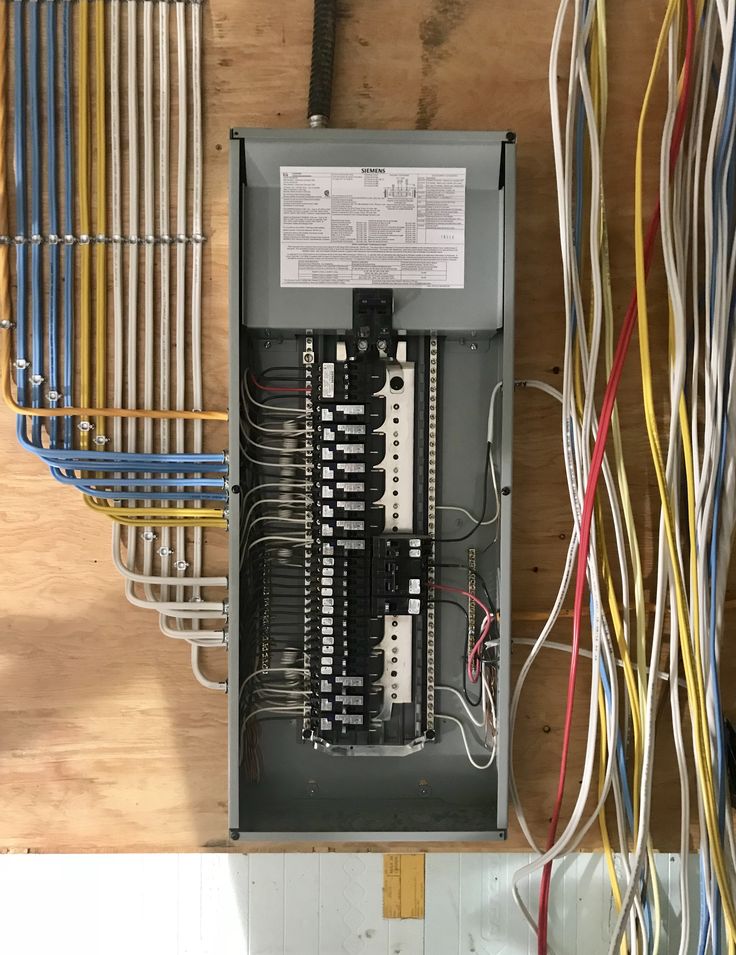
Electrical Panel Installation in Southaven costs $2,000-$4,000 for 200-amp upgrades. DeSoto County permit guide, Entergy coordination & financing options for Mississippi homeowners.
Listen, I’ve been a homeowner in the Memphis metro long enough to know that electrical problems don’t fix themselves. And if you’re living in Southaven, Mississippi—or anywhere in DeSoto County—you’ve probably noticed something: our homes are working harder than ever. Between the brutal Mississippi summers that push our air conditioners to the limit, the growing number of us working from home, and the fact that half the houses in this area were built when “high-tech” meant a second phone line, our electrical panels are crying for help.
I’m writing this because I went through the electrical panel installation process myself a couple of years ago. I made mistakes, I learned lessons, and I spent more money than I needed to because I didn’t know what I was doing. My goal here is simple: I want to save you from that headache. Whether you’re in Greenbrook, Snowden Grove, Hope Sullivan, or anywhere else in Southaven, this guide is going to walk you through everything you need to know about electrical panel installation and upgrades.
Let’s get into it.
Why Southaven Homeowners Can’t Ignore Their Electrical Panel Anymore
: Living in the Memphis Metro Means Our Homes Work Harder Than Most
Here’s something a lot of people don’t think about: Southaven isn’t some sleepy small town anymore. We’re part of the Memphis metropolitan area, which means we’ve got all the electrical demands of a major city without always having the infrastructure to match. Our homes are running multiple computers, big-screen TVs, smart home devices, and increasingly, electric vehicle chargers. And let’s not forget about our HVAC systems—if you’ve lived through a Southaven summer, you know that air conditioner is running non-stop from May through September.
When I bought my house in the Greenbrook area back in 2018, I didn’t think twice about the electrical panel. It was a 100-amp service, which sounded fine to me. What did I know? I was just happy to have a place with a yard for the kids. But within two years, I was tripping breakers every time the AC kicked on while my wife was running the dryer and I had my computer setup going. That’s when I realized: our homes in Southaven are electrical powerhouses now, and a lot of the panels out here simply weren’t built for this kind of load.How Southaven’s Rapid Growth Is Pushing Older Electrical Systems to the Breaking Point
If you’ve driven around Southaven lately, you’ve seen the growth. New subdivisions going up everywhere. Commercial development along Goodman Road. The population has exploded over the past two decades. But here’s the thing: a lot of the homes in established neighborhoods like Snowden Grove, Chapel Hill, and the older parts of Southaven proper were built in the 1980s and 1990s. Back then, a 100-amp electrical panel was standard. Families had one TV, maybe two window units, and a handful of appliances.
Fast forward to today. The average Southaven household has probably 20+ devices plugged in at any given time. We’ve got central air, electric dryers, dishwashers, microwaves, coffee makers, and now EV chargers. That 100-amp panel from 1992? It’s like trying to run a modern highway through a two-lane country road. Something’s gotta give, and usually, it’s your breakers—or worse, your wiring.
I talked to a local electrician who told me he’s been seeing more panel failures in Southaven over the past three years than in the previous ten combined. The growth is real, and our electrical systems are feeling the strain.
The Real Cost of Waiting: What Happens When You Ignore a Failing Panel in Mississippi Heat
Let me tell you about my neighbor down the street in Hope Sullivan. Nice guy, older home, probably built in the mid-90s. He noticed his lights flickering for months. His breakers were tripping more and more often. But he kept putting it off. “It’s just old wiring,” he’d say. “I’ll get to it eventually.”
Eventually came on a 102-degree day in July. His panel overheated, melted some internal components, and shorted out half his house. The repair ended up costing him almost triple what a standard electrical panel upgrade would have cost. Plus, he had to replace some damaged wiring in his walls. And he was without AC for three days in the middle of a Mississippi heat wave—which, if you’ve been here in July, you know is basically a form of torture.
The point is: waiting doesn’t save you money. It costs you money. And in Southaven, where the heat and humidity are relentless, electrical panels work overtime. An overloaded panel in July is a ticking time bomb.
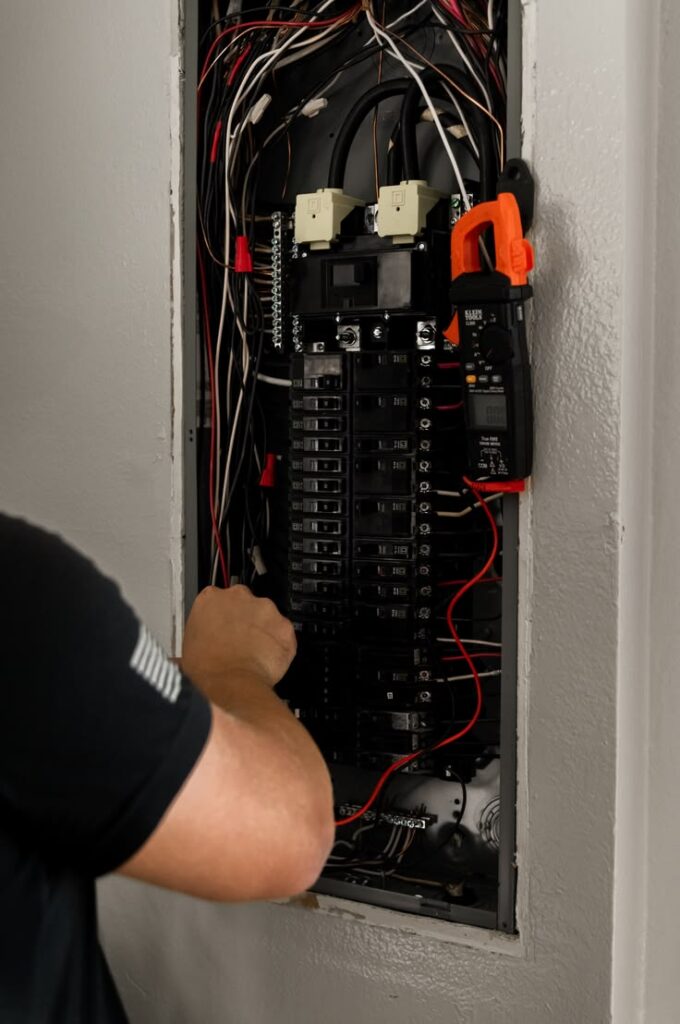
My Own Wake-Up Call: A Southaven Homeowner’s Story of Electrical Panel Failure
I mentioned earlier that I went through this myself, so let me give you the full story. I live in a house in the Greenbrook neighborhood—nice area, good schools, older homes. My house was built in 1994, and it had the original 100-amp panel. For the first couple of years, everything seemed fine. Then I started working from home and set up a proper office with dual monitors, a powerful desktop, and all the gear that goes with it.
The problems started small. The breaker for my office would trip occasionally. No big deal, right? Then it started happening weekly. Then daily. Then one day, I smelled something burning. Not strong, but unmistakable. Like hot plastic. I traced it to the electrical panel in my garage. The breakers for my office and my HVAC were both running hot to the touch.
I called a licensed electrician in DeSoto County, and he took one look at my panel and said, “This thing is maxed out. You’re pulling more amps than this panel was ever designed for.” He showed me the load calculation, and I was running at about 95% capacity on a regular basis. That’s dangerous territory.
Long story short, I ended up getting a full electrical panel upgrade to 200 amps. Cost me about $2,800, including permits and inspection. But you know what? I haven’t had a single breaker trip in two years. My lights don’t flicker. I don’t smell burning. And I sleep a lot better at night knowing my house isn’t a fire hazard.
Why “If It Ain’t Broke, Don’t Fix It” Is Terrible Advice for Electrical Panels
I get the mentality. I really do. Homeownership is expensive, and the last thing anyone wants is to drop a few grand on something they can’t even see. Your electrical panel is hidden in the garage or a utility closet. Out of sight, out of mind.
But here’s the truth: electrical panels don’t always give you a warning before they fail catastrophically. Sure, you might get flickering lights or tripping breakers. But sometimes, the first sign of trouble is a fire. Or an electrical shock. Or a complete system failure that leaves you without power for days.
In Southaven, we also have to deal with severe weather—thunderstorms, occasional ice storms, and the kind of wind that can knock out power lines. A compromised electrical panel is much more vulnerable during these events. I’ve seen homes in DeSoto County lose their entire electrical system because a storm pushed an already-overloaded panel over the edge.
The “if it ain’t broke” approach works for some things. Your lawn mower, maybe. Your kitchen cabinets. But not your electrical panel. This is the heart of your home’s electrical system. When it fails, everything fails. And the consequences can be a lot worse than an inconvenience.
Electrical Panel Installation vs. Electrical Panel Upgrade: Which One Do Southaven Homes Actually Need?
New Construction in Southaven: When You Need a Full Electrical Panel Installation
If you’re building a new home in one of Southaven’s newer developments—maybe out near Windyke or in one of the new subdivisions popping up along the Goodman Road corridor—you’re going to need a full electrical panel installation. This is different from an upgrade because there’s no existing panel to work with. You’re starting from scratch.
For new construction in Southaven, the standard these days is a 200-amp service minimum. Some larger homes or homes with special features like pools, workshops, or EV charging stations might need 300 or even 400 amps. The electrician will do a load calculation based on your home’s square footage, the number of circuits, and your expected electrical usage.
One thing to keep in mind: new construction in DeSoto County requires permits and inspections, just like an upgrade. But the process is usually smoother because everything is being installed to current code from day one. If you’re building new, make sure your contractor isn’t cutting corners on the electrical. I’ve heard horror stories about builders using undersized panels to save a few hundred bucks. Don’t let that be you.
: The 1980s and 1990s Southaven Homes: Why Most Need an Electrical Panel Upgrade, Not Just Repairs
This is where most Southaven homeowners find themselves. If your home was built between 1980 and 2000, there’s a very good chance you have a 100-amp or 150-amp panel. And there’s an equally good chance that panel is struggling to keep up with modern electrical demands.
Here’s what I learned from my electrician: a 100-amp panel in a 2,000-square-foot home with central air, electric appliances, and modern electronics is basically running at its limit all the time. It’s like driving your car at redline RPM every single day. Sure, it might work for a while, but you’re shortening its lifespan and increasing the risk of failure.
For most Southaven homes in this age range, an electrical panel upgrade to 200 amps is the right move. It’s not just about having more power—it’s about having headroom. A 200-amp panel gives you the capacity to add circuits, install new appliances, and handle peak loads without stressing the system.
Adding a Pool, EV Charger, or Workshop? Your Panel Might Not Handle It
This is a big one, especially in Southaven where backyard pools are pretty common and more people are buying electric vehicles. Adding a pool pump, an EV charger, or a workshop with power tools can easily push an already-maxed-out panel over the edge.
A typical Level 2 EV charger pulls 30-50 amps. A pool pump might need 15-20 amps. A workshop with a table saw, compressor, and lighting could need 40-60 amps. If you’ve got a 100-amp panel and you’re already using 85 amps for your regular household needs, there’s simply no room for these additions.
I have a friend in Snowden Grove who bought a Tesla and tried to install a home charger. His electrician took one look at his 100-amp panel and said, “No way. We need to upgrade this first.” He ended up doing the panel upgrade and the EV charger installation at the same time. Cost more upfront, but now he’s got a safe, reliable setup that can handle whatever he throws at it.
How to Tell If Your Home Has a 100-Amp, 150-Amp, or 200-Amp Service
This is easier than you might think. Go look at your electrical panel. On the main breaker—the big one at the top or side that controls the whole panel—you’ll see a number. It might say 100, 150, or 200. That’s your service size.
If you don’t see a main breaker (some older panels have main lugs instead), you might need to check your meter base or call your utility company. Entergy serves most of Southaven, and they can tell you what size service is connected to your home.
Here’s a quick rule of thumb for Southaven homes:
- 100 amps: Common in homes built before 2000. Likely needs an upgrade.
- 150 amps: Better, but still might be tight for larger homes or heavy electrical use.
- 200 amps: Current standard. Good for most homes, with room for future additions.
- 300+ amps: Larger homes or homes with special high-demand features.
: The Hidden Danger of Federal Pacific and Zinsco Panels Still Found in Southaven Neighborhoods
Okay, this is serious, and every Southaven homeowner needs to know about it. If your home was built between the 1960s and 1980s, you might have a Federal Pacific or Zinsco electrical panel. These panels are notorious fire hazards. The breakers in these panels have a documented history of failing to trip when they should, which can lead to overheating, fires, and electrical shocks.
I know a home inspector in DeSoto County who told me he still finds these panels in Southaven homes—especially in older neighborhoods and some of the more established areas. If you have one of these panels, you shouldn’t wait. You shouldn’t “think about it.” You should replace it immediately. Full stop.
How do you know if you have one? Look at the panel. Federal Pacific panels usually have “Federal Pacific” or “FPE” printed on them. Zinsco panels say “Zinsco” or “GTE-Sylvania.” If you see either of these names, call a licensed electrician today. This isn’t about convenience or capacity—this is about safety.
When an Upgrade Becomes a Full Replacement: What Your Local Electrician Will Tell You
Sometimes, what starts as a simple upgrade turns into a full panel replacement. This usually happens when the existing panel is too damaged, too outdated, or incompatible with modern electrical components.
For example, if your old panel is mounted on deteriorating drywall or in a location that doesn’t meet current code, the electrician might need to relocate it. If the wiring coming into the panel is old cloth-insulated wire or aluminum wiring, that might need to be replaced too. If the meter base is corroded or damaged, that’s another add-on.
The best way to avoid surprises is to get a thorough inspection before work begins. A good electrician in Southaven will give you a detailed quote that breaks down exactly what needs to be done and why. Don’t be afraid to ask questions. If they say something needs to be replaced, ask to see it. A reputable electrician will have no problem explaining their reasoning.
How Much Does Electrical Panel Installation Cost in Southaven, MS?
H3: Breaking Down the Real Numbers: What I Paid vs. What I Was Quoted
Let’s talk money, because I know that’s what a lot of you are wondering. When I got my electrical panel upgrade in Southaven, I got three quotes. They ranged from $2,200 to $3,500. I ended up going with the middle quote at $2,800, and here’s what that included:
- Removal of the old 100-amp panel
- Installation of a new 200-amp panel
- New main breaker
- Upgraded grounding system
- All necessary permits
- Coordination with Entergy for the service disconnect
- Rough and final inspections
- Cleanup and disposal of the old panel
The lowest quote didn’t include the grounding upgrade or the Entergy coordination. The highest quote included some extra circuit work that I didn’t need. The middle quote was the most complete and straightforward.
For a brand-new electrical panel installation in new construction, you’re probably looking at $1,500 to $2,500, depending on the size of the panel and the complexity of the installation. For an upgrade in an existing home, plan on $2,000 to $4,000. If you need a full service upgrade (new meter base, new wiring from the pole, etc.), it could be $4,000 to $6,000 or more.
Why Southaven Prices Differ from Memphis, TN Prices (Even Though We’re Next Door)
You might think that because Southaven is basically a suburb of Memphis, electrical work would cost the same on both sides of the state line. But that’s not always the case.
First, there are different permit requirements. Mississippi and Tennessee have different electrical codes and inspection processes. DeSoto County has its own building department, and the City of Southaven has specific requirements that differ from Memphis or Shelby County.
Second, labor costs can vary. Electricians in Mississippi might have different insurance requirements, licensing fees, and overhead costs compared to their Tennessee counterparts.
Third, utility coordination is different. Entergy handles most of the electrical service in Mississippi, while Memphis Light, Gas and Water (MLGW) serves Memphis. The process for disconnecting and reconnecting service, upgrading meter bases, and handling overhead lines is different with each utility.
That said, the differences aren’t huge. You might pay 10-15% more or less depending on which side of the border you’re on. But don’t assume you can use Memphis pricing as a perfect benchmark for Southaven work.
Permit Costs in DeSoto County: What the City of Southaven Requires
Permits are non-negotiable for electrical panel work in Southaven. The City of Southaven requires permits for any electrical panel installation, upgrade, or replacement. As of my last check, the permit fee for an electrical panel upgrade in Southaven is around $100 to $150, depending on the scope of work.
Here’s the process:
- Your electrician pulls the permit before starting work.
- The work is done.
- A rough inspection is scheduled (if required for your specific project).
- A final inspection is conducted by the City of Southaven building inspector.
- Once passed, the permit is closed out.
If you skip the permit, you’re asking for trouble. First, it’s illegal. Second, if something goes wrong and you have an electrical fire, your insurance company might deny your claim. Third, when you go to sell your house, unpermitted electrical work can be a major red flag for buyers and inspectors.
A good electrician will handle all the permitting for you. If someone tells you that you don’t need a permit for panel work, find a different electrician.
100-Amp vs. 200-Amp Panel: The Price Difference and Why Most Southaven Homes Need 200
The cost difference between a 100-amp and 200-amp panel isn’t as big as you might think. The panel itself might only cost $100 to $200 more. The real difference is in the labor and additional components:
- Larger gauge wiring from the meter to the panel
- Upgraded meter base (sometimes)
- Upgraded grounding system
- Coordination with the utility for higher service capacity
So while the panel itself is only slightly more expensive, the total job might be $500 to $1,000 more for 200 amps versus 100 amps. But here’s the thing: if you’re already doing the work, it almost never makes sense to install a new 100-amp panel. You’re going through all the same effort—permits, inspections, labor—for a system that’s already outdated.
I tell every Southaven homeowner I know: if you’re upgrading, go to 200 amps. The extra cost is minimal compared to the value and peace of mind you get. And if you ever want to add an EV charger, a pool, or a workshop, you won’t have to do this all over again.
Hidden Costs Homeowners Forget: Grounding, Meter Bases, and Utility Coordination with Entergy
This is where a lot of homeowners get sticker shock. The quote for the panel itself might seem reasonable, but then the electrician starts talking about additional work that “has to be done.”
Here’s what those extras might include:
Grounding system upgrade: Older homes often have inadequate grounding. Modern code requires two ground rods, proper bonding, and sometimes upgrades to the water pipe grounding. This can add $300 to $600.
Meter base replacement: If your meter base is old, damaged, or undersized, it needs to be replaced. This is the box that houses your electric meter, and it’s the property of the homeowner, not the utility. Cost: $400 to $800.
Service mast or weatherhead: If the pipe that runs from your meter to the overhead lines is damaged or too small, it needs replacement. Cost: $300 to $700.
Entergy coordination: For service upgrades, Entergy needs to disconnect power, possibly replace the service drop (the line from the pole to your house), and reconnect. They usually do this for free, but it requires scheduling and sometimes delays.
Drywall repair: If your panel is inside the house, removing and replacing it might damage surrounding drywall. Cost: $200 to $500.
A thorough electrician will identify these issues during the initial inspection and include them in the quote. If your quote seems too low, ask what’s NOT included.
Financing Options and Rebates Available for Mississippi Homeowners in 2026
A few thousand dollars for an electrical panel upgrade isn’t pocket change for most of us. Fortunately, there are some options to help with the cost.
Home equity loans or HELOCs: If you have equity in your home, this is often the cheapest way to finance the work. Interest rates are typically lower than personal loans.
Personal loans: Many banks and credit unions offer home improvement loans. Shop around for the best rates.
Utility rebates: Entergy occasionally offers rebates for energy-efficient upgrades. While these are usually more focused on HVAC or insulation, it’s worth checking their website or calling customer service to see if any electrical panel incentives are available.
Federal tax credits: Some electrical upgrades related to renewable energy or EV charging might qualify for federal tax credits. Check with your tax professional.
Payment plans through contractors: Some electricians offer financing through third-party lenders. The interest rates are usually higher, but it can spread the cost over time.
Don’t let the upfront cost scare you away from getting necessary work done. An unsafe electrical panel is a much bigger financial risk than a loan payment.
Choosing the Right Electrician for Electrical Panel Installation in Southaven
Mississippi State Licensing: What to Verify Before You Let Anyone Touch Your Panel
This is non-negotiable. In Mississippi, anyone doing electrical work must be licensed by the Mississippi State Board of Contractors. There are different license levels:
- Residential electrician: Can work on single-family homes up to a certain value
- Commercial electrician: Can work on commercial and larger residential projects
- Master electrician: Has the highest level of licensing and can pull permits and oversee work
For a typical Southaven home electrical panel upgrade, you want at least a licensed residential electrician. Ideally, you want someone with a master electrician’s license or someone working under a master electrician.
How do you verify? Ask for their license number and check it on the Mississippi State Board of Contractors website. It takes two minutes, and it can save you from hiring an unqualified hack.
Also, ask for proof of insurance. They should have both general liability insurance and workers’ compensation insurance. If they get hurt on your property and don’t have workers’ comp, you could be liable.
Why I Only Hire DeSoto County Electricians Who Know Southaven’s Building Codes
Here’s something I learned the hard way: not all electricians are familiar with Southaven’s specific requirements. I once hired an electrician from another county who did decent work but missed a couple of Southaven-specific code requirements. The inspector flagged them, and we had to do rework. It delayed the project by a week and cost me extra.
An electrician who regularly works in Southaven and DeSoto County knows:
- The specific permitting process for the City of Southaven
- What the local inspectors look for
- How to coordinate with Entergy for this area
- The common issues in Southaven homes (like the Federal Pacific panels I mentioned earlier)
When I’m hiring an electrician now, I ask them point-blank: “How much work do you do in Southaven?” If they say “occasionally” or “not much,” I keep looking.
Red Flags That Scream “Scam”: Storm Chasers and Unlicensed Contractors in Our Area
Southaven and the broader Memphis metro get their share of severe weather—thunderstorms, occasional tornadoes, ice storms. And whenever there’s a storm, the “storm chasers” roll in. These are out-of-town contractors who show up after weather events, knock on doors, and offer quick fixes for cash.
Here’s what to watch out for:
- Asking for cash upfront: A legitimate electrician might ask for a deposit, but never the full amount in cash before work begins.
- No license or insurance: If they can’t show you a Mississippi license and insurance certificate, walk away.
- Pressure tactics: “I can do it today for half price if you decide right now.” No. Just no.
- Out-of-state plates: Not a guarantee of a scam, but be extra cautious with contractors who aren’t local.
- No written contract: Everything should be in writing—scope of work, timeline, payment schedule, warranty.
I also recommend checking reviews on Google, Facebook, and the Better Business Bureau. But don’t just look at the star rating—read the actual reviews. Look for detailed feedback from Southaven homeowners specifically.
Questions Every Southaven Homeowner Should Ask Before Signing a Contract
Before you hire anyone for electrical panel installation or upgrade, ask these questions:
- Are you licensed in Mississippi, and can I see your license?
- Do you have general liability and workers’ compensation insurance?
- How many panel upgrades have you done in Southaven in the past year?
- Will you pull the permits, or do I need to?
- What’s included in your quote? What’s NOT included?
- How long will the work take?
- Will my power be out, and for how long?
- What kind of warranty do you offer on your work?
- Can you provide references from recent Southaven customers?
- What happens if the inspector finds issues?
A good electrician will answer these questions patiently and thoroughly. If they get defensive, rush you, or can’t give clear answers, that’s a red flag.
Reviews Matter, But So Does Local Reputation: Where Southaven Neighbors Actually Talk
Online reviews are helpful, but in Southaven, word of mouth is still king. Ask your neighbors. Ask in local Facebook groups like “Southaven, MS Community” or “DeSoto County Neighbors.” Post in Nextdoor. Go to local hardware stores like Ace Hardware on Goodman Road and ask the staff who they recommend.
Local reputation takes years to build and minutes to destroy. An electrician who does bad work in Southaven won’t last long because word gets around. Conversely, someone who’s been serving this community for a decade with good work—that’s who you want.
I’ve got a shortlist of three electricians I trust in the area. Two of them came recommended by neighbors, and one I found through a local Facebook group. All three have done work for people I know, and all three have solid reputations.
: Warranties, Insurance, and What Happens If Something Goes Wrong After Installation
A professional electrical panel installation should come with two types of warranty:
Manufacturer’s warranty: This covers defects in the panel itself. Most quality panels (like Square D, Siemens, or Eaton) come with a 10-year or lifetime warranty.
Workmanship warranty: This covers the electrician’s labor. A good electrician will offer at least a one-year workmanship warranty. Some offer longer.
Make sure you get both warranties in writing. Keep your receipts, permits, and inspection reports. If something goes wrong a year from now, you’ll want documentation.
Also, verify that your homeowner’s insurance covers electrical work. Most policies do, but if you had unpermitted work done, your insurer might deny a claim related to that work. This is another reason why permits matter.
The Electrical Panel Installation Process: A Step-by-Step Walkthrough for Southaven Homes
Step 1: The Home Inspection and Load Calculation (What Your Electrician Is Really Looking For)
The first thing a good electrician will do is inspect your current system and calculate your home’s electrical load. This isn’t just guesswork—there’s a formal calculation called a “load calculation” that’s based on the National Electrical Code (NEC).
The electrician will look at:
- Square footage of your home
- Number and type of appliances
- HVAC system size and type
- Existing circuits and their loads
- Any planned additions (EV charger, pool, workshop, etc.)
They’ll also inspect the condition of your existing panel, wiring, meter base, and grounding system. This inspection usually takes 30 minutes to an hour, and it should be free or low-cost.
Based on this, they’ll recommend the right panel size and scope of work. For most Southaven homes, that recommendation will be a 200-amp panel. But every home is different, which is why the inspection matters.
Step 2: Pulling Permits with the City of Southaven and Scheduling Inspections
Once you’ve agreed on the scope and signed the contract, your electrician should pull the necessary permits. In Southaven, this is done through the City of Southaven Building Department.
The permit application will include:
- Description of the work
- Electrical plans (for larger projects)
- Electrician’s license information
- Homeowner information
- Fee payment
Permit processing usually takes a few days to a week. Once approved, the electrician can schedule the work. They’ll also schedule inspections at the appropriate stages—usually a rough inspection (if required) and a final inspection.
Step 3: Power Shutoff Day with Entergy: What to Expect and How to Prepare
For panel upgrades that involve changing the service size or meter base, Entergy needs to disconnect power at the pole or transformer. This is typically scheduled for the morning of the installation day.
Here’s what you need to know:
- Power will be out for several hours, usually 4 to 8 hours depending on the complexity of the job.
- Entergy’s timing is approximate. They might say “between 8 AM and 12 PM,” so be prepared for flexibility.
- Plan accordingly. Charge your phones, keep refrigerators closed, and if you work from home, make other arrangements.
- The electrician coordinates this, not you. But you should confirm the schedule with your electrician the day before.
In some cases, if the work doesn’t require a service size change, the electrician can do a “hot swap” where power is only out for a short period. But for most upgrades in Southaven, expect a half-day without power.
Step 4: The Actual Installation: Removing the Old Panel and Installing the New One
This is where the magic happens. The electrician will:
- Verify power is off (either by Entergy disconnect or by shutting off the main breaker).
- Remove the old panel cover and carefully disconnect all circuits.
- Remove the old panel from the wall.
- Install the new panel in the same location (or a new location if relocating).
- Connect the main service wires to the new main breaker.
- Connect all branch circuits to their respective breakers.
- Install new breakers as needed (some old breakers might not be compatible with the new panel).
- Upgrade grounding if required.
- Label all circuits clearly.
This process typically takes 3 to 6 hours for a standard upgrade. Complex jobs with additional rewiring might take longer.
Step 5: The Rough Inspection and Final Inspection: Why Both Matter in Mississippi
Depending on the scope of work, your project might need a rough inspection and a final inspection.
Rough inspection: This happens before the panel is fully closed up and energized. The inspector checks the wiring, grounding, and installation for code compliance. If issues are found, they must be corrected before the final inspection.
Final inspection: This happens after the work is complete and power is restored. The inspector verifies that everything is working correctly, properly labeled, and up to code.
In Southaven, inspectors are thorough. They know the NEC, and they know Mississippi’s amendments to it. Don’t try to cut corners—they’ll catch it, and you’ll end up paying for rework.
Step 6: Power Restoration and What Your Electrician Should Explain Before Leaving
Once the final inspection passes, you’re good to go. The electrician should:
- Walk you through the new panel, showing you the main breaker, individual circuits, and how to reset breakers if needed.
- Provide documentation, including permits, inspection approvals, warranties, and receipts.
- Explain any new features, like AFCI or GFCI breakers that might be different from your old setup.
- Give you their contact information for any follow-up questions.
- Clean up the work area—old panel, debris, wire scraps should all be gone.
Before they leave, test a few outlets and switches yourself. Make sure everything works. If something seems off, speak up now.
Neighborhood-Specific Guide: Electrical Panel Installation Across Southaven’s Key Areas
Greenbrook: What Homeowners in This Established Neighborhood Need to Know About Panel Upgrades
Greenbrook is one of Southaven’s older and more established neighborhoods. Homes here were mostly built in the 1980s and early 1990s, which means a lot of them still have original 100-amp panels. If you live in Greenbrook, here’s what to watch for:
- Original Federal Pacific or Zinsco panels: These are more common in homes from this era. Check your panel brand immediately.
- Aluminum wiring: Some homes in this area were built with aluminum wiring, which requires special handling during panel upgrades.
- Older HVAC systems: Many Greenbrook homes have aging air conditioners that draw more power as they get older. A panel upgrade might be necessary before you can replace your HVAC with a more efficient model.
- Mature trees: Greenbrook’s beautiful old trees can sometimes interfere with overhead power lines, which might affect your service drop during an upgrade.
I live in Greenbrook, and I can tell you firsthand: if your home is 30+ years old and hasn’t had electrical work done, it’s time to get an inspection.
Snowden Grove: Newer Construction Doesn’t Always Mean Your Panel Is Future-Proof
Snowden Grove is one of Southaven’s newer and more popular areas, with homes built mostly in the 2000s and 2010s. You might think newer homes don’t need panel upgrades, but that’s not always true.
- Builder-grade panels: Some builders used minimum-code panels to save money. A 150-amp panel might have been “good enough” when the house was built, but it’s tight for modern use.
- Home additions: Snowden Grove homes are popular for families, and many homeowners have added rooms, finished basements, or built workshops. These additions strain the original electrical system.
- EV charging: With Tesla’s Supercharger station nearby and more EVs on the road, Snowden Grove residents are increasingly adding home chargers. Make sure your panel can handle it.
- Outdoor living: Pools, hot tubs, and elaborate outdoor kitchens are common in this area. Each of these adds significant electrical load.
If you bought a Snowden Grove home and haven’t had the electrical system evaluated, it’s worth doing—even if the house is only 10-15 years old.
Southaven Proper and Downtown Area: Older Homes, Outdated Panels, and Hidden Electrical Risks
The older parts of Southaven, near the downtown area and along Highway 51, have some of the city’s oldest homes. Some date back to the 1960s and 1970s.
If you own one of these homes, you need to be especially vigilant:
- Knob-and-tube or cloth wiring: Pre-1970s homes might have outdated wiring that needs complete replacement, not just a panel upgrade.
- Fuse boxes instead of breaker panels: Some very old homes still have fuse boxes. These are obsolete and should be replaced with modern breaker panels.
- No grounding: Older homes often lack proper grounding, which is a safety hazard and a code violation.
- Overloaded circuits: Previous owners might have added outlets and fixtures without upgrading the electrical system, creating hidden fire hazards.
If you own an older home in Southaven proper, budget for more than just a panel upgrade. You might need a partial or full rewiring as well.
Hope Sullivan and DeSoto Central: Suburban Growth and the Demand for 200-Amp Service
Hope Sullivan and the DeSoto Central area have seen explosive growth over the past two decades. These are family neighborhoods with larger homes, and they’re exactly the kind of places where 200-amp service is essential.
- Larger homes: Many houses in this area are 2,500+ square feet with full basements, media rooms, and home offices. That adds up to a lot of electrical demand.
- Two HVAC systems: Larger homes often have dual-zone heating and cooling, which requires significant electrical capacity.
- Home businesses: With more people working from home, Hope Sullivan residents are setting up dedicated office spaces with multiple computers, printers, and equipment.
- Teenagers and devices: Families in this area tend to have kids with phones, tablets, gaming systems, and TVs in every room. It all adds up.
If you’re in Hope Sullivan and still running on 100 or 150 amps, you’re probably already feeling the strain. An upgrade to 200 amps isn’t a luxury here—it’s a necessity.
Windyke and Chapel Hill: Rural-Suburban Homes and Electrical Service Challenges
Windyke and Chapel Hill are on the more rural-suburban edge of Southaven. These areas have larger lots, some agricultural properties, and homes that might be farther from the main electrical infrastructure.
Challenges in these areas include:
- Longer service drops: If your home is far from the road, the power line from the pole to your house might be longer, which can affect voltage and require larger gauge wire.
- Outbuildings and workshops: Many properties in this area have detached workshops, barns, or garages with separate electrical needs. You might need a subpanel in addition to your main panel upgrade.
- Well pumps and septic systems: Rural properties often have well pumps and septic systems that draw significant power.
- Future-proofing: If you’re on a larger property, you might be planning future additions—a pool, a guest house, a bigger workshop. Plan your electrical capacity accordingly.
Electricians working in Windyke and Chapel Hill need to understand these rural-suburban challenges. Make sure whoever you hire has experience in this part of DeSoto County.
Goodman Road Corridor: Commercial-Residential Mixed Properties and Panel Requirements
The Goodman Road corridor is Southaven’s commercial heart, but it also has a lot of mixed-use properties and residential areas nearby. If you live or own property along Goodman Road, you might have unique electrical needs.
- Mixed-use buildings: If your property has both residential and commercial use (like a home-based business with a storefront), you might need a commercial-grade panel or separate meters.
- Higher electrical loads: Proximity to commercial development can mean more stable power, but it also means higher demand on the local grid during peak hours.
- Frequent power fluctuations: Areas with lots of commercial activity sometimes experience more frequent voltage fluctuations, which can stress your panel and appliances.
- Code requirements: Mixed-use properties might have different code requirements than pure residential properties. Make sure your electrician understands the distinction.
If you’re along Goodman Road, get an electrician who’s familiar with both residential and light commercial work in Southaven.
After Your Electrical Panel Installation: Maintenance, Safety, and When to Call Back
The First 30 Days: Normal Sounds vs. Sounds That Mean Trouble
After your new panel is installed, pay close attention for the first month. Some things are normal; others are not.
Normal:
- A very faint humming from the panel (transformers and breakers make some noise)
- Breakers that are warm but not hot to the touch
- Occasional slight buzzing when high-draw appliances kick on
NOT normal—call your electrician immediately:
- Loud buzzing or crackling sounds
- Breakers that are hot to the touch
- Burning smells
- Visible sparks or arcing
- Breakers tripping repeatedly
- Flickering lights throughout the house
I check my panel once a week for the first month after any electrical work. It takes 30 seconds, and it gives me peace of mind.
Southaven’s Severe Weather Season: How to Protect Your New Panel from Storms
Southaven gets its share of severe weather. Spring brings thunderstorms and the occasional tornado. Winter can bring ice storms. Here’s how to protect your investment:
- Whole-house surge protector: Consider having your electrician install a surge protector at your main panel. This protects against lightning strikes and power surges.
- Generator inlet: If you don’t have one, consider adding a generator inlet box and transfer switch. Power outages are common during storms, and a portable generator can keep your essentials running.
- Inspect after storms: After any severe weather, visually inspect your panel, meter, and any exposed wiring for damage.
- Trim trees: Keep trees trimmed away from power lines. Falling branches are a major cause of power outages and electrical damage.
H3: Annual Electrical Panel Maintenance: What You Can Do vs. What Requires a Pro
There’s not a lot of homeowner maintenance required for a modern electrical panel, but there are a few things you should do:
What you can do:
- Visually inspect the panel monthly for signs of damage, rust, or pests.
- Keep the area around the panel clear—no storage within 3 feet.
- Test GFCI and AFCI breakers monthly by pressing the test button.
- Keep a flashlight near the panel for emergencies.
What requires a pro:
- Tightening connections (these can loosen over time due to thermal expansion)
- Replacing breakers
- Adding circuits
- Any work inside the panel
I have my electrician do a quick inspection every two years. It costs about $100, and they check connections, test breakers, and make sure everything is still in good shape.
: Adding Circuits Later: Planning Ahead for Home Additions and Renovations
One of the best things about a 200-amp panel is the space for future growth. Most panels have room for 30-42 circuits, which gives you plenty of capacity for additions.
If you’re planning future projects—like finishing a basement, adding a sunroom, or installing an EV charger—talk to your electrician during the panel upgrade. They can plan the panel layout to accommodate future circuits, which saves time and money later.
When to Upgrade Again: How Long Does a New Electrical Panel Really Last?
A quality electrical panel should last 25-40 years under normal conditions. But “normal conditions” in Southaven include hot, humid summers and the occasional severe storm. Realistically, expect 20-30 years of reliable service.
Signs that your panel might need attention before its time:
- Corrosion or rust
- Frequently tripping breakers
- Physical damage
- Outdated technology (like panels that can’t accept AFCI breakers)
If your panel is approaching 20 years old, start budgeting for a future replacement. It’s better to plan ahead than to be surprised by a failure.
: Keeping Records: Why Your Home Insurance and Future Buyers Will Thank You
Keep every piece of paper related to your electrical panel installation:
- Original contract and quote
- Permits and inspection approvals
- Warranties (manufacturer and workmanship)
- Receipts and payment records
- Before and after photos
These records are valuable for several reasons:
- Insurance claims: If you ever have an electrical issue, your insurer will want proof that the work was done professionally and to code.
- Home sale: Buyers and their inspectors will ask about the electrical system. Having documentation shows you’re a responsible homeowner.
- Future repairs: Knowing exactly what was installed and when helps with maintenance and troubleshooting.
I keep all my home improvement records in a file cabinet and backed up digitally. It takes minimal effort and has saved me more than once.
Frequently Asked Questions About Electrical Panel Installation in Southaven, MS
H3: Do I Need a Permit for Electrical Panel Installation in Southaven?
Yes. Absolutely. The City of Southaven requires permits for any electrical panel work, including installations, upgrades, and replacements. Your electrician should handle the permitting process for you. Never let an electrician talk you into skipping permits—it’s illegal and dangerous.
How Long Does an Electrical Panel Installation Take in a Typical Southaven Home?
For a standard upgrade from 100 amps to 200 amps, expect the work to take one full day (6-8 hours). If additional work is needed—like replacing the meter base, upgrading grounding, or relocating the panel—it might take two days.
Will My Power Be Out During the Installation? For How Long?
Yes, your power will be out during the installation. For most upgrades, expect 4-8 hours without power. Your electrician will coordinate with Entergy to schedule the disconnect and reconnect. Plan accordingly—charge devices, keep fridge doors closed, and make arrangements if you work from home.
Can I Install an Electrical Panel Myself in Mississippi?
Technically, Mississippi law allows homeowners to do their own electrical work on their primary residence. But I strongly, strongly advise against it. Electrical panel work is dangerous and complex. One mistake can kill you or burn your house down. Plus, DIY electrical work still requires permits and inspections, and if it’s not done to code, your insurance might not cover damages. Hire a licensed professional.
What’s the Difference Between a Main Breaker Panel and a Main Lug Panel?
A main breaker panel has a large breaker at the top that shuts off power to the entire house. This is what most homes have.
A main lug panel doesn’t have a main breaker. It’s typically used as a subpanel (fed from a main panel) or in situations where the main disconnect is located elsewhere (like at the meter).
For most Southaven homeowners, a main breaker panel is the right choice. It’s safer and more convenient.
How Do I Know If My Southaven Home Needs an Electrical Panel Upgrade Instead of Repair?
Here are the signs that you need an upgrade, not just a repair:
- Your panel is 100 amps or less
- Breakers trip frequently
- Lights flicker, especially when appliances kick on
- You need to add major loads (EV charger, pool, workshop)
- Your panel is more than 25 years old
- You have a Federal Pacific, Zinsco, or fuse box
- You’re planning a major renovation or addition
If you’re experiencing any of these, call a licensed electrician for an inspection. They can tell you definitively whether repair or upgrade is the right path.
Final Thoughts: Don’t Wait Until It’s Too Late
If you’ve read this far, you probably already suspect that your Southaven home might need an electrical panel upgrade or installation. Trust that instinct. I’ve been through this process, and I can tell you that the peace of mind alone is worth the investment.
Your electrical panel is the heart of your home. When it’s healthy, you don’t think about it. When it’s not, everything suffers. Don’t wait for a breakdown, a fire, or a failed inspection to take action. Get an inspection, get a quote, and get it done.
Southaven is a great place to live, and our homes deserve electrical systems that can keep up with modern life. Whether you’re in Greenbrook, Snowden Grove, Hope Sullivan, or anywhere else in DeSoto County, make sure your home is powered safely and reliably.
Stay safe out there.
This guide was written by a Southaven homeowner for Southaven homeowners. Always consult with a licensed Mississippi electrician for advice specific to your home.